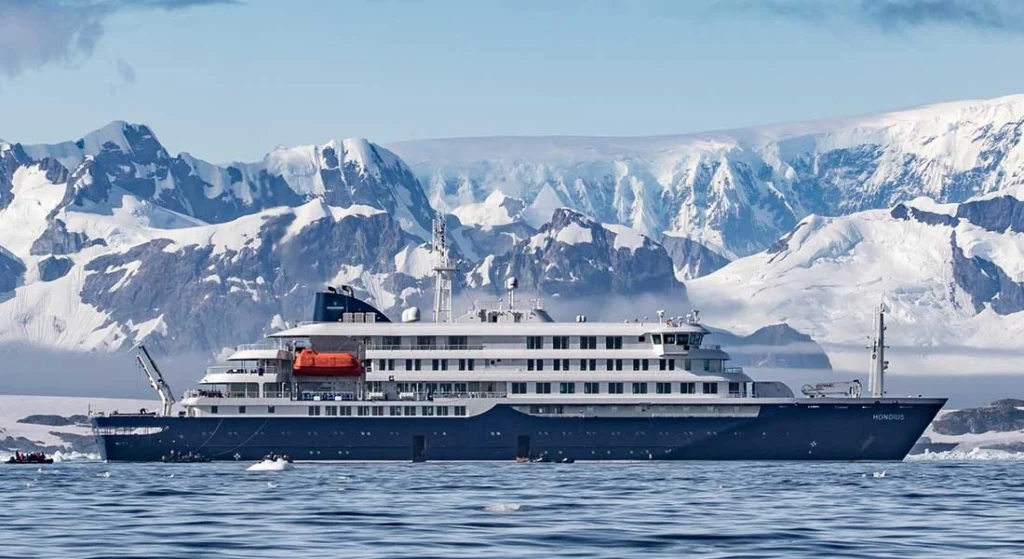
Arctic expedition tourism has been thrown into uncertainty after a reported hantavirus outbreak aboard the expedition vessel Hondius forced evacuations, quarantine measures, and cruise cancellations affecting Svalbard sailings during the peak northern travel season. The incident involving Oceanwide Expeditions has triggered concern across the global cruise industry as operators reassess health preparedness and emergency response capabilities for remote polar voyages.
Oceanwide Expeditions confirmed that multiple crew members and passengers became critically ill during the voyage, prompting emergency medical intervention under difficult Arctic operating conditions. The company stated that several individuals required hospitalization and ongoing observation while quarantine protocols were activated following the outbreak.
Oceanwide Expeditions Responds to Operational Crisis
Oceanwide Expeditions described the incident as one of the most serious operational challenges the company has faced. In an official statement released during the crisis response phase, the company confirmed that emergency evacuations and medical support operations had been carried out while the vessel remained in remote northern waters.
The company also stated that there was currently no evidence linking the outbreak to onboard sanitation standards or operational procedures. According to the operator, the most likely explanation was that the virus had been introduced before embarkation rather than originating onboard the ship itself.
Cruise industry observers note that expedition operators working in Arctic and Antarctic environments already maintain strict environmental and biosecurity procedures due to the fragile ecosystems and operational risks associated with polar tourism.
Hantavirus Raises Health Concerns for Arctic Travelers
Health authorities continue monitoring the situation closely as hantavirus remains a rare but potentially serious infection. International public health guidance indicates the virus is generally associated with exposure to infected rodent urine, saliva, or feces rather than direct human-to-human transmission in most documented cases.
Early symptoms often resemble respiratory illness or severe flu-like conditions before escalating into more serious complications in vulnerable patients. The outbreak has therefore intensified discussions around medical preparedness on expedition vessels operating far from conventional emergency infrastructure.
Public health experts emphasize that expedition cruises in isolated polar regions face unique logistical challenges due to the vast distances separating ships from hospitals, rescue services, and advanced medical facilities.
Hondius Returns to Rotterdam for Deep Cleaning
Following the affected voyage, Hondius returned to Rotterdam for extensive cleaning, disinfection, and operational review procedures. Oceanwide Expeditions confirmed that two upcoming sailings were canceled to allow sufficient time for sanitation work and further health assessments before normal service resumes.
The vessel is currently expected to restart operations from Svalbard beginning June 13, although the temporary disruption has complicated travel planning for tourists preparing Arctic summer expeditions.
Svalbard remains one of the world’s most important gateways for expedition cruise tourism, attracting travelers seeking wildlife experiences, polar landscapes, and remote adventure travel near the Arctic Circle. Cruise demand to the region has grown significantly in recent years as interest in experiential tourism and nature-focused exploration continues expanding globally.
Arctic Cruise Demand Continues Despite Operational Challenges
Despite the disruption, industry analysts believe long-term interest in Arctic expedition cruising remains strong. Demand for remote travel experiences has surged as international travelers increasingly seek unique wilderness destinations, wildlife encounters, and climate-focused tourism experiences.
The Norwegian government has simultaneously strengthened oversight of Arctic tourism growth in Svalbard, balancing environmental protection with visitor safety and sustainable tourism development. Expedition operators are also facing increased pressure to demonstrate robust emergency preparedness systems as tourism traffic to polar regions expands.
Travel experts caution that health-related disruptions may temporarily influence traveler confidence, particularly among first-time expedition passengers unfamiliar with the operational realities of remote cruising. However, the broader expedition market is still expected to remain resilient due to sustained demand for adventure tourism experiences.
Cruise Industry Reviews Health Screening Procedures
The outbreak has intensified industry discussions surrounding onboard health monitoring, sanitation systems, environmental screening, and emergency medical coordination aboard expedition vessels.
Cruise operators, maritime authorities, and international health agencies already conduct regular inspections and operational reviews involving sanitation standards, emergency response procedures, and passenger safety protocols. Analysts now expect additional evaluation of health screening requirements and environmental monitoring practices within the expedition cruise sector.
Because Arctic cruises operate far from major ports and hospitals, emergency response planning remains significantly more complex than on conventional cruise itineraries operating in densely connected regions.
Oceanwide Maintains Confidence in Long-Term Operations
Oceanwide Expeditions stated that although the outbreak has created operational disruption and emotional strain, the company remains financially stable and committed to continuing normal operations following recovery measures.
The company emphasized that its immediate priority remains supporting affected passengers, crew members, and families while medical monitoring and recovery efforts continue. Leadership also reaffirmed confidence in the company’s long-term operational resilience despite the cancellations and reputational challenges resulting from the outbreak.
Industry observers note that the human impact of the incident continues resonating deeply across the expedition cruise community, where passengers and crew often travel together for extended periods in isolated environments far removed from conventional tourism settings.
Arctic Expedition Travel Faces New Safety Questions
The Hondius crisis has become a defining moment for Arctic expedition tourism, highlighting both the growing popularity of remote adventure cruising and the operational vulnerabilities associated with travel in isolated environments.
Families awaiting medical updates, passengers remaining under observation, and crew members coping with the emotional consequences of the outbreak have all become part of a broader humanitarian story unfolding alongside the operational disruption.
As cleaning efforts continue in Rotterdam and Arctic sailings prepare to resume from Svalbard, the global cruise industry is watching cautiously while balancing optimism for recovery with renewed focus on health preparedness, passenger welfare, and the realities of operating tourism experiences in some of the world’s most remote regions.
For more travel news like this, keep reading Global Travel Wire