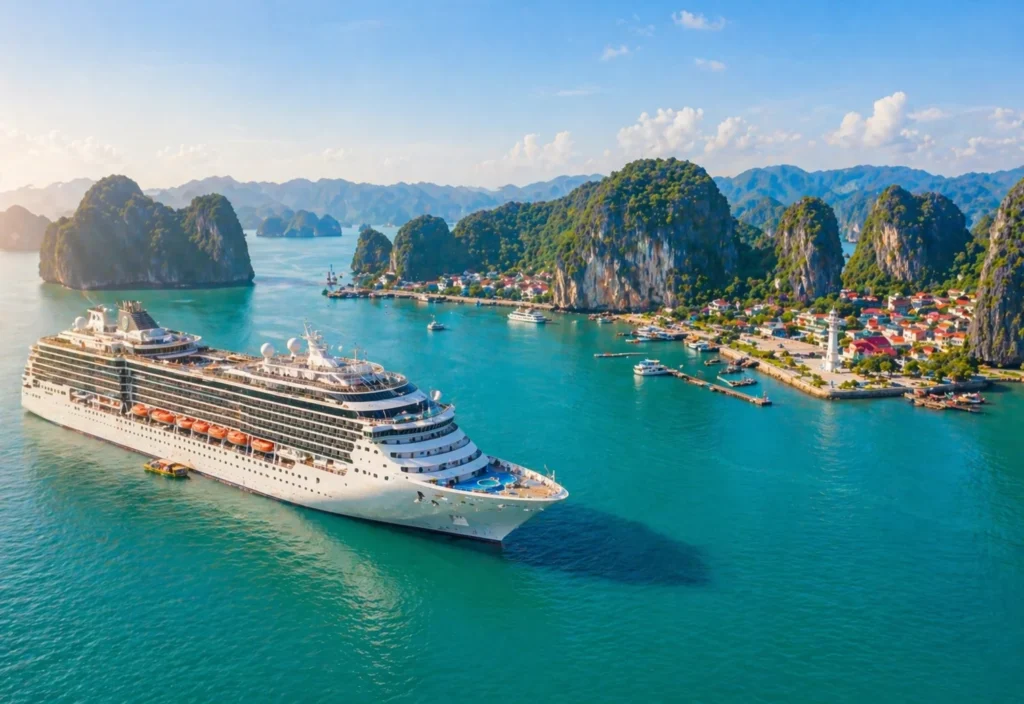
Southeast Asia’s cruise industry has emerged as one of the strongest-performing tourism sectors in the region after generating US$10 billion in total economic output in 2024. The latest official industry-backed assessment highlights the growing power of cruise travel to create jobs, increase visitor spending and strengthen regional tourism economies.
The findings show Southeast Asia delivered five percent of total global cruise industry output while accounting for only two percent of worldwide cruise passenger visits. This strong performance demonstrates the region’s ability to generate high-value tourism returns through destination diversity, expanding infrastructure and rising traveler demand.
As governments across Southeast Asia continue investing in ports, visitor experiences and tourism connectivity, cruise travel is expected to become an even bigger driver of regional growth in the years ahead.
Cruise Tourism Delivers Major Economic Value
The report shows cruise tourism contributed US$4.5 billion to regional gross domestic product and supported approximately 530,000 jobs across the wider economy. Wages linked to cruise activity reached US$4.1 billion, underlining the sector’s importance for workers and communities.
One of the most striking figures is the region’s average output per passenger visit, estimated at US$2,564. That is more than double the global average, indicating that cruise visitors in Southeast Asia create strong economic impact through spending on excursions, hotels, transport, retail, dining and tourism services.
For destinations seeking higher-value visitors rather than volume alone, cruise tourism offers a powerful model.
Why Southeast Asia Is Winning in Cruise Travel
Southeast Asia has several advantages that make it highly attractive to cruise lines and international travelers.
The region combines tropical coastlines, island destinations, modern cities, rich heritage, world-famous cuisine and year-round warm weather. Travelers can experience multiple cultures and landscapes in one voyage, moving easily between beach resorts, historic towns, urban attractions and nature escapes.
This diversity creates strong appeal for both first-time cruise guests and repeat travelers looking for new itineraries.
Governments and tourism boards have also actively promoted cruise development by improving ports, enhancing destination experiences and strengthening cooperation between neighboring countries.
As multi-country itineraries grow in popularity, Southeast Asia is well positioned to compete with established cruise regions.
Singapore and Malaysia Lead Passenger Growth
The latest data shows Singapore and Malaysia together accounted for around 70 percent of Southeast Asia’s cruise passenger visits in 2024.
Singapore captured the largest share with 48 percent of the region’s 3.9 million passenger visits, reflecting its role as a major aviation and maritime hub. The city-state’s modern cruise terminals, strong flight connectivity and reputation for service quality make it a leading embarkation point for regional voyages.
Malaysia secured 22 percent of visits, benefiting from attractive ports, strong domestic tourism appeal and convenient proximity to major cruise routes.
These results highlight how strong infrastructure and integrated tourism planning can create major advantages in the cruise market.
Huge Opportunity for Emerging Destinations
While Singapore and Malaysia currently lead, the report also points to significant potential for other Southeast Asian destinations to expand their share of the cruise market.
Countries such as Thailand, Indonesia, Vietnam, the Philippines and Cambodia all offer unique attractions that can support cruise growth. White-sand beaches, diving destinations, UNESCO heritage sites, cultural cities and island tourism experiences give these markets strong long-term appeal.
As more ports upgrade facilities and improve visitor readiness, cruise lines may increase calls across a wider range of destinations.
This can help spread tourism benefits beyond the region’s biggest hubs and create new opportunities for local communities.
Jobs and Skills Across the Region
Cruise tourism is also a major employment engine. The sector supported around 530,000 jobs in Southeast Asia, representing 30 percent of global cruise-generated employment.
Much of this workforce is concentrated in the Philippines and Indonesia, which together account for a large share of regional cruise-related employment. These jobs range from onboard hospitality roles to travel services, logistics, port operations, food supply and tour guiding.
The figures underline how cruise tourism supports livelihoods both directly and indirectly. Every cruise call can generate work for transport providers, restaurants, retailers, entertainers and excursion operators.
For governments focused on inclusive economic growth, this employment impact is highly significant.
Cruise Guests Want to Return
The study also found strong traveler satisfaction with Southeast Asian cruise experiences. A large majority of passengers rated their regional cruise positively, while nearly half said they would consider returning for a land-based holiday.
This is one of the most valuable long-term benefits of cruise tourism. A cruise visit often acts as an introduction to a destination, inspiring future stays, repeat travel and deeper exploration.
A guest who first visits a port for one day may later return for a week-long beach holiday, city break or cultural journey. This creates additional tourism revenue far beyond the original cruise call.
For tourism boards, cruise passengers can become future repeat visitors.
Infrastructure Investment Will Shape the Next Phase
To sustain momentum, continued investment will be essential. Successful cruise destinations require efficient ports, smooth transport links, quality attractions and welcoming visitor services.
Governments across Southeast Asia are increasingly prioritizing tourism infrastructure as part of national development plans. Cruise terminals, airport connectivity, digital visitor systems and destination upgrades can all help strengthen competitiveness.
Sustainability will also be important. As global travelers become more environmentally conscious, destinations that balance growth with conservation and community benefits are likely to gain stronger long-term appeal.
What This Means for Tourism in 2026
The US$10 billion economic impact confirms that cruise tourism is no longer a niche segment in Southeast Asia. It is now a major contributor to jobs, GDP and future visitor growth.
For travelers, this means more itineraries, better ports and greater destination variety. For businesses, it creates opportunities in hospitality, transport, excursions and retail. For governments, it offers a scalable model for regional development and international tourism promotion.
With rising demand, strong satisfaction levels and expanding investment, Southeast Asia cruise tourism is entering a golden era.
The region is no longer just a stop on the global cruise map—it is becoming one of the industry’s most exciting growth engines.
For more travel news like this, keep reading Global Travel Wire