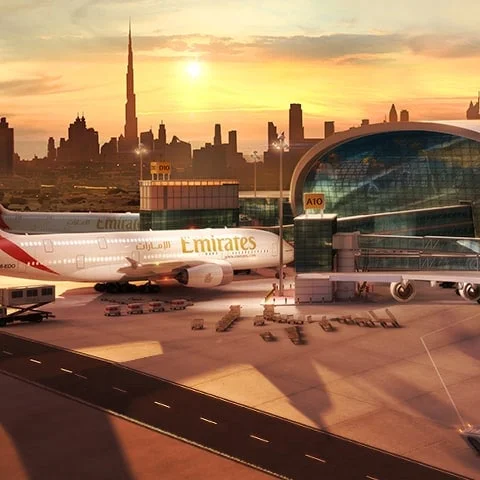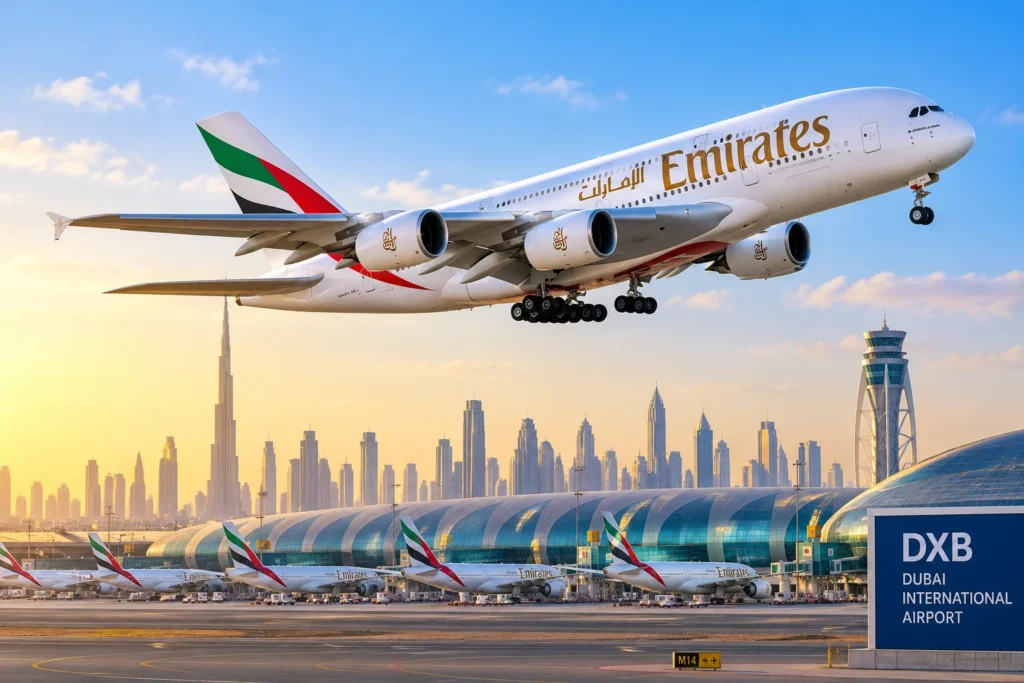
The rapid surge in global air travel is gathering unprecedented momentum across the United Arab Emirates, fueled by a sweeping restoration of operational capacity from its flagship carrier. Emirates Airlines has officially reinstated ninety-three percent of its global flight capacity while successfully restoring nearly ninety-eight percent of its total destination network. This robust operational resurgence follows a brief period of regional disruption, signaling a swift return to pre-interruption traffic levels and showcasing the structural resilience of the region’s aviation infrastructure.
High passenger volume during the peak summer months underscored this rapid operational pivot. As flight schedules stabilized, traveler sentiment rebounded immediately, resulting in heavy booking volumes across long-haul and regional routes. This strong return of international air connectivity provides vital support to the wider economic ecosystem of the emirate, reinforcing its foundational position as an essential crossroads for international transit, commerce, and leisure travel.
Massive Travel Volume Signals Strong Summer Passenger Rebound
The physical rebound in flight operations translated into immediate passenger traffic across major international routes. Official operational figures reveal that the airline successfully carried 4.7 million passengers during the initial two-month recovery phase in March and April. As summer travel reached its peak during July and August, passenger numbers surged to 8.7 million travelers across the global route map.
A substantial portion of this passenger volume landed directly in the emirate. During the final two weeks of August alone, more than five hundred thousand arriving passengers entered the city. Executive statements from airline leadership confirm that passenger demand surged immediately as restored flight capacity became available, demonstrating strong consumer confidence and an ongoing appetite for international travel routed through the Middle East.
Reinforcing the Hub Model to Accelerate Local Tourism Growth
The restoration of international flight capacity carries direct implications for local economic performance. As a primary gateway between East and West, the city relies on its interconnected aviation framework to feed its hospitality, retail, and entertainment sectors. Official tourism leadership emphasizes that the destination’s broader growth trajectory remains firmly on track, supported by close coordination between civil aviation authorities, hotel operators, and destination management entities.
International stopover traffic represents a primary growth driver for the local tourism economy. By converting connecting passengers into short-stay visitors, tourism authorities are expanding the overall economic yield per traveler. Official statements from tourism executives highlight that the sustained growth seen in recent quarters reflects strong alignment across public and private sector stakeholders, ensuring seamless transfers, accessible visa policies, and tailored stopover incentives that encourage transit passengers to venture beyond the airport terminal.
Customer-Centric Policies and Flexible Operational Protocols
Navigating operational disruptions required major administrative adaptations to protect global consumer goodwill. To support affected travelers, the carrier introduced temporary operational flexibilities, including the waiver of booking change penalties, protection of frequent flyer loyalty status tiers, and dedicated ground assistance for displaced passengers both at the main hub and across international stations.
Furthermore, temporary flight insurance provisions were established to assist travelers navigating unexpected schedule changes. By prioritizing passenger welfare and logistical support during operational realignments, aviation leadership maintained high trust levels, laying the groundwork for the rapid rebound in summer passenger traffic.
Long-Term Infrastructure Investment Drives Decadal Vision
Rather than pausing development during temporary periods of international uncertainty, civil authorities continue to execute long-range infrastructure investments. City planners maintain a decades-long planning horizon focused on expanding urban transport capacity, enhancing road networks, and extending mass transit systems such as the metro network to accommodate future traffic projections.
This forward-looking development philosophy ensures that ground infrastructure keeps pace with expanding air traffic capacities. By continually modernizing transit networks and hospitality facilities, the city secures its competitive advantage as a premier global hub, ensuring that its tourism and aviation sectors remain fully equipped to handle long-term growth trajectories.
For more travel news like this, keep reading Global Travel Wire