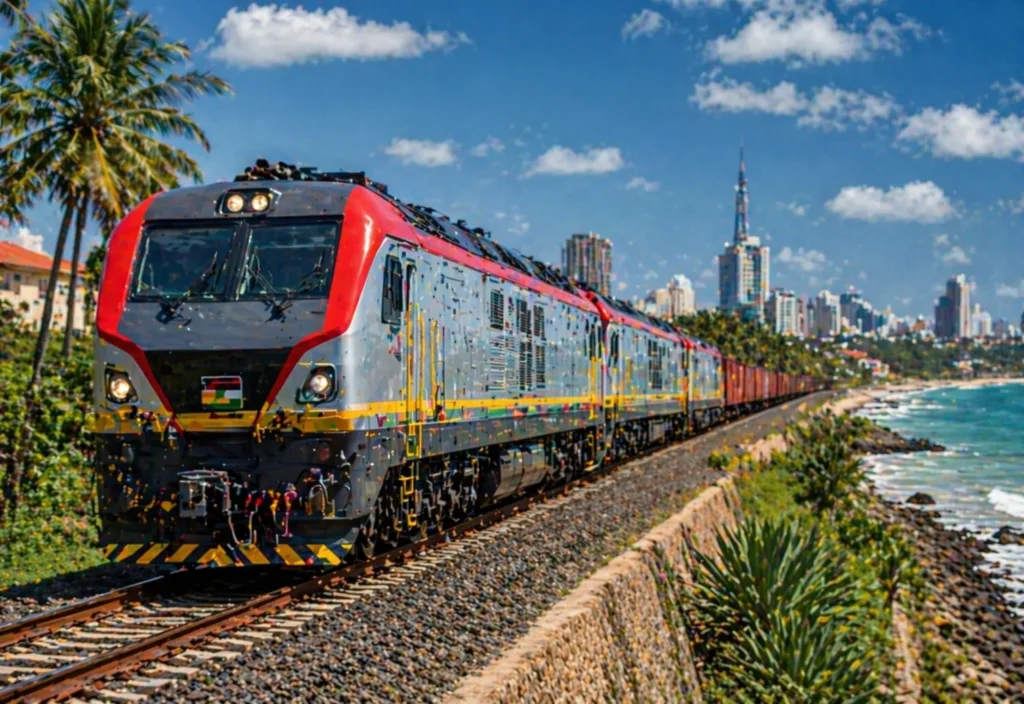
Mozambique’s railway modernization has received a major boost after the completion of a ten-locomotive export order from India’s Banaras Locomotive Works. The final two locomotives have now arrived in Maputo, concluding a major international supply agreement that is expected to strengthen freight mobility, regional connectivity, and future tourism opportunities across southern Africa.
The locomotives were delivered through RITES Limited, a Government of India enterprise specializing in transport engineering and project execution. Built for Cape Gauge rail networks, the new fleet is designed to improve long-haul operations, support mixed traffic services, and enhance transport efficiency in one of Africa’s strategically important growth markets.
For the tourism industry, improved railway capacity can become a long-term catalyst for destination access, domestic travel, and regional visitor movement.
Why Rail Investment Matters for Tourism
Railways do more than move cargo. They connect communities, support economic development, and help travelers reach destinations that may be less accessible by air or road. In many emerging tourism markets, stronger rail systems can unlock new travel circuits and encourage wider visitor spending beyond major cities.
Mozambique is known for its Indian Ocean coastline, wildlife areas, cultural heritage, and growing urban centers. Better transport infrastructure can help spread tourism benefits to more regions by making journeys smoother and more reliable.
As tourism across Africa continues to expand, rail development is increasingly viewed as an important part of long-term visitor growth strategies.
New Locomotives Strengthen National Connectivity
The newly delivered diesel-electric locomotives are built for Cape Gauge networks, a railway standard used widely across southern and eastern Africa. Their arrival adds fresh operational strength to Mozambique’s railway system and creates more flexibility for transport planning.
Reliable locomotives can help improve service frequency, increase freight capacity, and support future passenger services where needed. For tourism, dependable rail systems create confidence among domestic travelers and international visitors alike.
Transport reliability is often a deciding factor when travelers choose multi-city itineraries, overland journeys, or regional holidays.
The completion of this fleet order therefore represents more than a technical delivery—it is a step toward stronger national mobility.
Maputo Positioned as a Key Gateway
The arrival of the final locomotives in Maputo highlights the city’s importance as a transport and tourism gateway. Mozambique’s capital is a growing hub for business travel, coastal tourism, conferences, and cultural experiences.
As rail links strengthen, Maputo can further develop its role as a starting point for inland journeys, cross-border travel, and regional logistics. Cities with strong multimodal transport systems often gain a competitive advantage in attracting investment and visitors.
For tourism operators, better connections from gateway cities can help create new itineraries that combine urban experiences with beach escapes, wildlife parks, and heritage destinations.
Potential Benefits for Domestic Tourism
Domestic tourism is a vital pillar of resilient travel economies. Strong rail networks can encourage residents to travel more frequently for leisure, family visits, events, and regional exploration.
Affordable and dependable train travel often appeals to a wide range of travelers, including families, students, and budget-conscious tourists. Over time, improved rail operations can stimulate demand for:
- Weekend getaways
- Coastal holidays
- Cultural city breaks
- Nature and safari travel
- Festival tourism
- Business and conference trips
Domestic tourism growth can provide stable year-round demand for hotels, restaurants, and attractions.
Freight Growth Supports the Visitor Economy
Although the locomotives are well suited for freight and mixed-traffic operations, freight improvements can also indirectly benefit tourism.
Efficient logistics systems help move food supplies, hotel goods, construction materials, and retail products more effectively. This supports hospitality businesses and destination development.
Stronger freight networks can also encourage wider infrastructure investment, leading to better roads, stations, industrial zones, and urban services. These improvements often create a better overall environment for tourism growth.
In many destinations, successful tourism and efficient logistics develop side by side.
India-Africa Transport Cooperation Expands
The project also reflects deepening transport cooperation between India and African nations. Infrastructure partnerships can support technology transfer, skills development, and long-term economic links between countries.
For tourism, stronger bilateral relationships may lead to future opportunities such as increased business travel, educational exchanges, trade missions, and leisure travel flows.
India has become an important source market for international travel, and stronger transport cooperation can help raise destination awareness among future travelers.
International rail partnerships are increasingly part of a wider story about connectivity and shared development.
Built for Comfort and Operational Efficiency
The locomotives are equipped with features designed for crew comfort and long-distance performance, including ergonomic cab layouts and onboard conveniences.
While passenger amenities are not the direct focus of freight locomotives, modern operational standards matter. Comfortable working environments can improve performance, reduce fatigue, and support safer operations.
A professionally managed railway system often builds public confidence and lays the foundation for future passenger expansion.
For travelers, confidence in the broader transport network is essential when considering rail journeys.
What This Could Mean for Regional Travel
Mozambique’s location gives it strategic importance for regional travel across southern Africa. Improved rail capacity may eventually support stronger links with neighboring countries, ports, and tourism circuits.
Future opportunities could include:
- Cross-border overland tourism
- Coastal and inland travel packages
- Multi-country rail adventures
- Business travel corridors
- Cruise and rail combinations
- Sustainable regional itineraries
As African tourism continues to diversify, better rail systems can help unlock new experiences beyond traditional air-only travel patterns.
A Positive Signal for Infrastructure Confidence
Completing a multi-unit international locomotive contract sends a strong message about delivery capability, planning continuity, and infrastructure ambition.
Tourism investors often look for visible signs of progress in transport systems before entering new markets. Railway upgrades, fleet modernization, and stronger logistics capacity can all increase confidence in a destination’s long-term trajectory.
This matters for hotels, tour companies, real estate developers, and event organizers evaluating future opportunities in Mozambique.
The Future of Mozambique Rail and Tourism
The completion of the ten-locomotive order marks an important chapter in Mozambique’s transport journey. While rail modernization takes time, each new investment helps build the conditions needed for broader tourism and economic growth.
For travelers, stronger rail systems could eventually mean easier journeys, more destination choices, and richer overland experiences. For the tourism industry, it is another sign that infrastructure development is expanding across Africa’s rising travel markets.
Mozambique rail is now moving forward with renewed momentum—and that momentum could carry tourism growth with it.
For more travel news like this, keep reading Global Travel Wire