Indian travelers are reshaping the global tourism landscape in summer 2026, moving away from traditional checklist holidays toward highly personalized journeys that prioritize comfort, flexibility, and meaningful experiences.
New insights show a decisive shift in travel behavior, with Indian tourists choosing destinations and itineraries based on individual preferences such as wellness, culture, climate, and lifestyle. This evolution reflects a broader transformation in how travel is planned and experienced, positioning India as one of the most dynamic outbound and domestic tourism markets worldwide .
Personalization Takes Center Stage
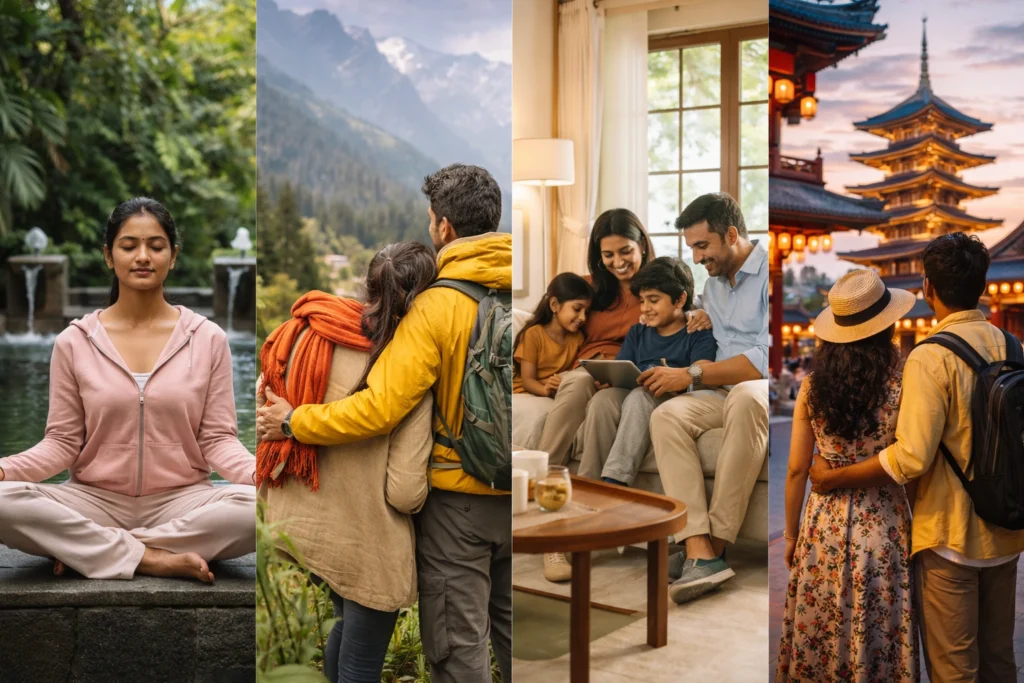
The biggest change in 2026 is the rise of intent-driven travel. Indian travelers are no longer satisfied with fixed itineraries or standard packages. Instead, they are designing trips around specific interests—whether that means spiritual retreats, culinary exploration, or climate-focused escapes.
This trend, often described as the “Era of You,” highlights how technology and digital booking platforms are enabling travelers to customize every part of their journey, from flights and accommodation to local experiences.
For the tourism industry, this shift creates both opportunity and pressure. Travel providers must offer flexible, modular products that adapt to individual preferences rather than one-size-fits-all solutions.
Domestic Travel Diversifies Rapidly
Within India, travel demand is expanding across multiple categories. Hill stations such as Ooty, Darjeeling, Munnar, and Manali remain top choices as travelers seek cooler climates during peak summer months—a trend widely referred to as “coolcations.”
At the same time, spiritual tourism is gaining momentum, with destinations like Rishikesh and Varanasi seeing increased interest from travelers seeking deeper, introspective experiences.
Cultural hubs including Jaipur and Udaipur are also attracting visitors looking for heritage, architecture, and local traditions, while coastal destinations such as Goa and Puducherry continue to perform strongly among leisure travelers.
This diversification highlights the strength of India’s domestic tourism ecosystem, where varied geography and culture allow destinations to cater to a wide range of traveler needs.
Asia Leads International Travel Choices
Indian outbound travel is also evolving, with a clear shift toward Asian destinations. A majority of the most searched international locations for summer 2026 are in Asia, reflecting changing priorities around proximity, affordability, and ease of travel.
Countries such as Thailand, Singapore, Malaysia, Vietnam, and Indonesia are seeing strong demand due to their established tourism infrastructure and diverse experiences.
Japan is emerging as a standout destination, with Tokyo leading search trends and cities like Osaka and Kyoto gaining popularity. Meanwhile, emerging hotspots such as Phu Quoc and Seoul are attracting attention for their blend of modern attractions and cultural appeal.
For airlines and tourism boards, this Eastward shift creates opportunities to expand routes, promote regional travel, and capture growing demand from Indian outbound tourists.
Alternative Stays Transform Accommodation
Accommodation preferences are also changing rapidly. Indian travelers are increasingly choosing alternatives to traditional hotels, including homestays, villas, apartments, and guesthouses.
This trend is driven by the desire for flexibility, privacy, and a more personalized stay experience. For families, groups, and long-stay travelers, alternative accommodations offer better space and value, making them an attractive option.
Homestays, in particular, are seeing the highest demand, as travelers seek immersive local experiences that connect them more closely with their destinations.
For the hospitality industry, this shift means adapting to new expectations where accommodation is not just functional but an integral part of the overall travel experience.
Impact on the Tourism Industry
The transformation in Indian travel behavior is having a wide-reaching impact on the tourism sector. Airlines, hotels, tour operators, and digital platforms are all adjusting strategies to meet the demand for personalization and flexibility.
Destinations that offer diverse experiences, easy access, and strong infrastructure are likely to benefit the most. Meanwhile, travel companies that invest in customization tools, dynamic pricing, and curated experiences will be better positioned to capture this growing market.
The rise of shorter-haul international trips also supports regional tourism growth, aligning with global trends toward more sustainable and accessible travel.
A Long-Term Shift in Travel Behavior
The changes seen in summer 2026 are not temporary. They signal a long-term evolution in how Indian travelers approach tourism.
Instead of rushing through destinations, travelers are focusing on depth, meaning, and personal connection. They want journeys that reflect their identity, interests, and lifestyle rather than predefined travel patterns.
For the global travel industry, this marks a new era where personalization, flexibility, and experience-driven travel define success.
As Indian travelers continue to grow in influence, their evolving preferences are likely to shape tourism trends far beyond 2026, setting new standards for how travel is designed, marketed, and experienced worldwide.
For more travel news like this, keep reading Global Travel Wire