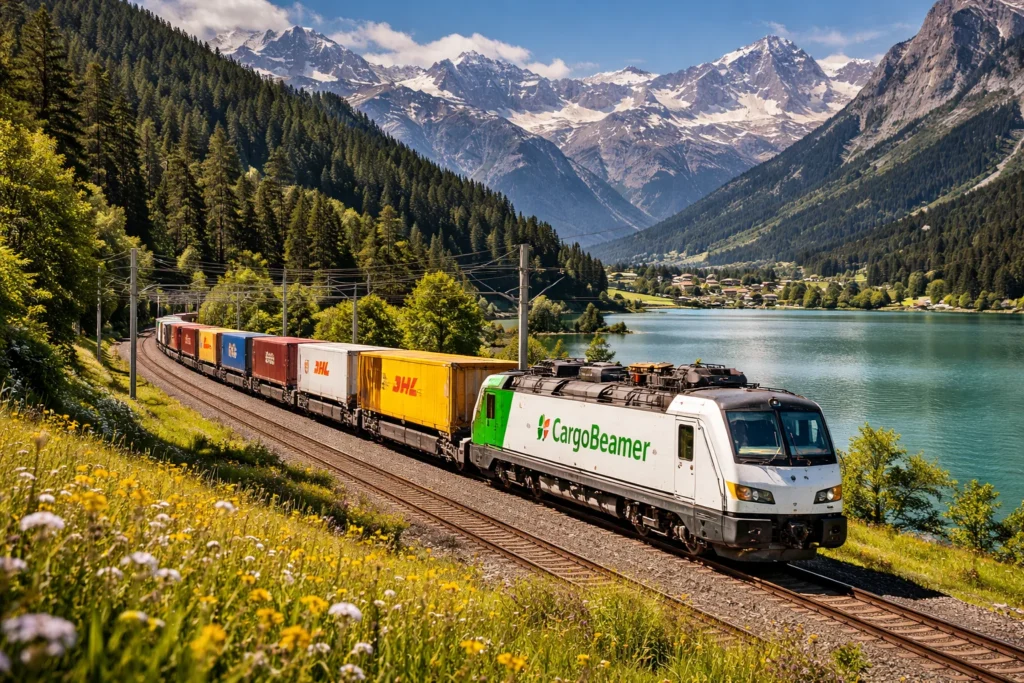
A new rail connection between Stuttgart and Milan is creating fresh momentum for tourism, regional mobility and sustainable travel across Europe. The newly launched intermodal corridor between south-west Germany and northern Italy is primarily designed for freight efficiency, but its wider impact extends far beyond logistics. Improved rail infrastructure across the Alps can strengthen visitor access, support regional economies and reinforce Europe’s long-term commitment to greener travel.
The Alps remain one of Europe’s most iconic tourism regions, attracting visitors year-round for skiing, hiking, lakeside holidays, wellness escapes and scenic rail experiences. Any investment that enhances transport resilience through this corridor can help destinations remain competitive while reducing pressure on highways and traditional road routes.
For travellers and tourism businesses alike, stronger rail networks are becoming increasingly important in 2026.
Why the Alps Matter to European Tourism
The Alpine region stretches across multiple countries and is one of Europe’s most valuable tourism landscapes. It connects urban gateways such as Milan, Munich, Zurich, Innsbruck and Stuttgart with mountain resorts, lakeside towns and nature destinations.
Visitors are drawn to the region for:
- Ski holidays and winter sports
- Summer hiking and cycling
- Wellness and spa retreats
- Scenic train journeys
- Culinary tourism
- Heritage villages and cultural routes
- Lakes and mountain escapes
Because travel demand is spread across seasons, dependable transport links are essential to keeping tourism flowing smoothly.
Stuttgart and Milan as Key Travel Gateways
The new connection between the Stuttgart area and Greater Milan links two important economic and tourism centres. Both cities attract international visitors and also act as gateways to wider regional travel.
Stuttgart offers access to Germany’s cultural routes, Black Forest escapes and southern city tourism. Milan is one of Europe’s leading destinations for fashion, design, gastronomy and events, while also serving as an entry point to the Italian Lakes, the Dolomites and northern Italian heritage cities.
When transport corridors between such hubs improve, tourism opportunities often expand on both sides of the border.
Why Freight Infrastructure Can Benefit Tourism
Although the new service is focused on freight transport, stronger rail logistics networks can indirectly improve tourism systems. When more cargo shifts to rail, road congestion may ease on major mountain corridors. That can support smoother coach travel, self-drive holidays and local mobility.
Tourism benefits may include:
- Reduced highway congestion
- Better road reliability for visitors
- Lower emissions in scenic regions
- Stronger regional supply chains for hotels and restaurants
- More resilient transport networks during peak seasons
- Improved perception of sustainable destinations
Efficient logistics also help tourism businesses by improving access to food supplies, hospitality goods and seasonal products.
Sustainable Travel Gains More Importance
European destinations continue prioritising lower-emission transport as part of long-term tourism strategies. Rail plays a major role in these plans because it can move people and goods efficiently while supporting climate goals.
The Alpine environment is particularly sensitive to congestion and emissions, making greener transport solutions increasingly valuable. By strengthening rail capacity across mountain corridors, destinations can protect landscapes while supporting economic growth.
Many travellers now actively seek sustainable holiday options, especially within Europe where rail travel is practical and well established.
Growing Demand for Rail-Based Travel
Rail tourism is growing as visitors look for comfortable, scenic and city-centre-to-city-centre alternatives to flying or driving. Across Europe, travellers are increasingly combining destinations through train itineraries.
Popular travel trends include:
- Multi-country rail holidays
- Scenic mountain journeys
- Weekend city breaks by train
- Slow travel experiences
- Eco-conscious vacations
- Car-free Alpine adventures
As freight and passenger rail infrastructure improve together, the entire travel ecosystem becomes stronger.
Benefits for Mountain Communities
Smaller Alpine towns and resort areas depend heavily on reliable access. Seasonal tourism can bring large visitor volumes during ski months and summer holidays, placing pressure on roads and local services.
Better regional transport networks help communities by:
- Supporting local employment
- Improving visitor arrivals
- Reducing traffic bottlenecks
- Protecting air quality
- Strengthening year-round tourism
- Encouraging longer stays
For mountain destinations, transport resilience is closely linked to economic resilience.
Cross-Border Cooperation Is Essential
Transport across the Alps requires strong international coordination. Routes pass through multiple jurisdictions, languages and operating systems. Successful rail links depend on cooperation between infrastructure managers, operators and policy makers.
This collaborative approach is also important for tourism. Travellers benefit when ticketing, schedules, station access and onward connections work seamlessly across borders.
Europe’s strongest tourism corridors are often those where transport systems feel connected rather than fragmented.
Why 2026 Is a Key Year for European Mobility
In 2026, tourism demand remains robust across Europe, but travellers also expect smarter mobility. They want easier connections, reliable journeys and lower-impact travel choices.
At the same time, destinations are balancing growth with sustainability. That makes rail investment more relevant than ever.
Key priorities include:
- Modern infrastructure
- Cleaner transport systems
- Better regional access
- Integrated travel planning
- Reduced seasonal congestion
- Stronger resilience during disruptions
The new Alpine corridor reflects these broader priorities.
What Travellers Should Watch Next
Visitors planning Germany, Switzerland, Austria or northern Italy itineraries should watch for continued improvements in Alpine transport links. Even freight-focused investments can support wider mobility upgrades over time.
Travellers may benefit from:
- Better regional reliability
- Stronger rail ecosystems
- More sustainable tourism options
- Easier multi-destination planning
- Improved local services in tourist areas
As Europe expands transport capacity, cross-border travel is likely to become even more appealing.
Final Tourism Outlook
The new Stuttgart-Milan rail link is more than a logistics story. It highlights how modern rail investment can support tourism, sustainability and regional growth across one of Europe’s most treasured landscapes.
For visitors, stronger Alpine transport means smoother journeys and more travel choices. For destinations, it means cleaner mobility and stronger economies. In the years ahead, rail will continue playing a central role in keeping the Alps accessible, attractive and resilient for travellers from around the world.
For more travel news like this, keep reading Global Travel Wire