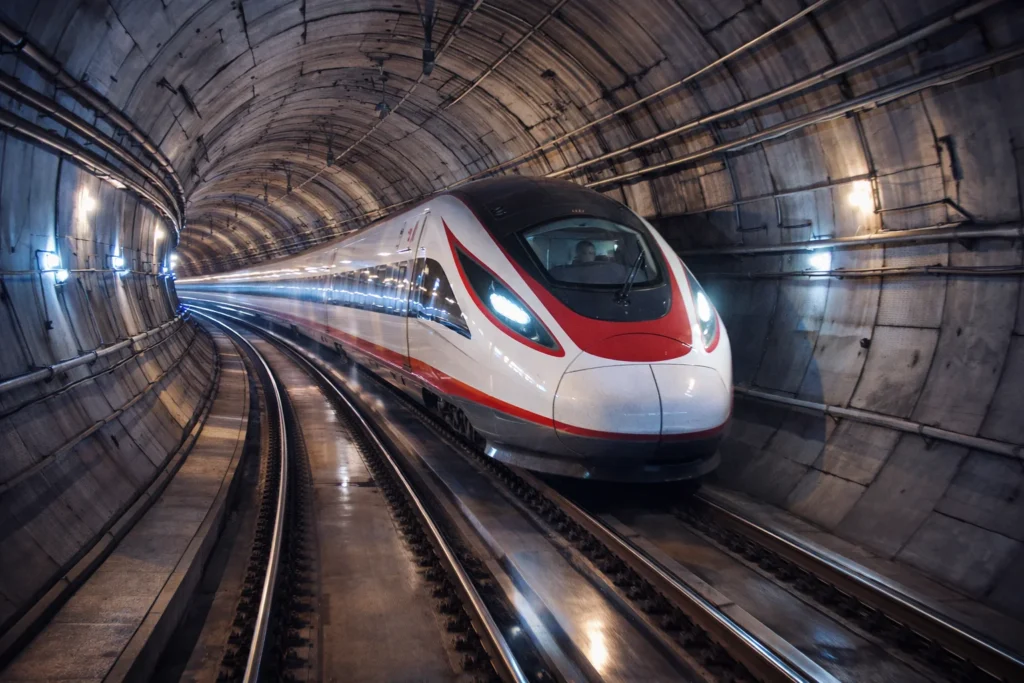
China has completed construction of a major high-speed railway tunnel beneath the Yangtze River, marking another milestone in the country’s rapidly expanding transport network. The new underwater connection is expected to strengthen tourism, improve regional mobility and create faster travel links between Shanghai and neighbouring parts of eastern China.
The project connects Shanghai’s Chongming District with Taicang in Jiangsu Province and forms part of a wider high-speed corridor linking some of China’s most important economic and tourism regions. Once operational, trains are expected to travel through the tunnel at speeds of up to 350 kilometres per hour.
For the tourism industry, the development is highly significant. Faster and easier journeys encourage more domestic trips, weekend travel, multi-city holidays and stronger regional visitor flows.
Why This Tunnel Matters for Tourism
Transport infrastructure often shapes where people travel, how long they stay and how easily they can combine destinations. The new Yangtze River tunnel removes a major natural barrier and improves connectivity across one of China’s busiest travel regions.
Tourism benefits of faster rail links may include:
- Easier access to Shanghai attractions
- More short-break travel opportunities
- Stronger day-trip markets
- Growth in regional hotel demand
- Better access for business events
- Increased visitor spending across nearby cities
When travel becomes quicker and more convenient, destinations become more competitive.
Shanghai Gains a Stronger Gateway Role
Shanghai is already one of Asia’s leading tourism and business destinations. The city attracts millions of visitors through its skyline, heritage districts, luxury retail, culinary scene, cruise terminals and world-class entertainment.
Improved rail access strengthens Shanghai’s position as a gateway for both domestic and international travellers. Visitors arriving in the city can more easily continue journeys into Jiangsu, the Yangtze River Delta and other parts of eastern China.
This kind of seamless movement is increasingly important in modern tourism, where travellers often prefer multi-stop itineraries over single-destination stays.
Regional Tourism in Jiangsu Could Benefit
Jiangsu Province is home to historic water towns, gardens, cultural heritage cities and scenic lake destinations. Better connectivity to Shanghai can help attract more visitors looking to extend urban breaks with nearby cultural experiences.
Destinations in the wider region may benefit from:
- Increased weekend tourism
- Higher demand for heritage travel
- Growth in domestic family trips
- Easier conference and event travel
- Expanded group tour itineraries
- More overnight stays in secondary cities
High-speed rail often helps distribute tourism benefits beyond major metropolitan centres.
China’s High-Speed Rail Network Continues to Expand
China’s high-speed railway system has become one of the largest in the world. Continued expansion reflects a long-term strategy focused on mobility, economic growth and regional integration.
The completion of the Yangtze River tunnel adds another strategic link to a network designed to reduce travel times between cities of all sizes. Faster journeys encourage domestic tourism by making spontaneous travel more realistic and comfortable.
For travellers, modern rail offers:
- Fast city-centre to city-centre transport
- Comfortable seating and onboard services
- Reliable schedules
- Reduced airport transfer time
- Lower stress on short and medium routes
These advantages are helping rail become a preferred option for millions of passengers.
Shorter Journeys Change Travel Behaviour
When travel times fall dramatically, tourism habits often change. Trips once considered too far for a weekend can become practical. Day trips become easier. Multi-city itineraries become more common.
Examples of changing travel behaviour include:
- Same-day business and leisure trips
- Weekend escapes from major cities
- More domestic holiday frequency
- Shorter planning windows for travel
- Higher repeat visitation to nearby regions
This shift can create strong economic benefits for restaurants, attractions, hotels and local transport providers.
Sustainable Mobility Supports Tourism Goals
Rail is also increasingly valued for its role in sustainable tourism. High-capacity train systems can move large numbers of passengers efficiently while helping reduce pressure on roads and airports.
As destinations seek lower-emission growth models, rail investment aligns with environmental priorities and traveller expectations. Many tourists now consider transport impact when choosing how to travel.
For large urban regions, efficient rail can also help reduce congestion and improve the visitor experience.
Innovation in Speed and Technology
China continues investing not only in network length but also in rail technology. Faster trains, advanced engineering and modern station infrastructure are helping redefine what domestic travel can look like.
The new tunnel demonstrates how complex engineering projects can unlock future mobility opportunities. Underwater rail links, high-speed corridors and next-generation train technology all contribute to a more connected tourism landscape.
As travel becomes faster and smoother, destination choice broadens for consumers.
Opportunities for International Tourism
Although the strongest immediate impact will be on domestic travel, improved rail systems also strengthen China’s appeal to international visitors. Global travellers often value efficient transport when planning itineraries across multiple cities.
A strong high-speed network makes it easier for visitors to combine experiences such as:
- Shanghai city breaks
- Heritage tours in eastern China
- Culinary travel
- Cultural festivals
- Business travel with leisure extensions
- Scenic regional exploration
Convenient mobility can increase average trip length and visitor spending.
What Travellers Can Expect Next
Once the tunnel enters passenger service, travellers are likely to see smoother regional connections and expanded route opportunities. Tourism businesses may respond with new packages that combine Shanghai with nearby cultural and leisure destinations.
Visitors should expect continued innovation in:
- Faster rail journeys
- More integrated travel planning
- Easier multi-city itineraries
- Stronger domestic tourism offers
- Improved station experiences
China’s rail development suggests convenience will remain a major theme in future tourism growth.
Final Tourism Outlook
The completion of the Yangtze River high-speed railway tunnel is more than an engineering success. It is a tourism story that highlights how infrastructure can reshape travel demand, unlock regional destinations and improve visitor experiences.
For Shanghai and eastern China, the new link promises stronger connectivity and wider economic opportunity. For travellers, it means faster journeys and more destination choices. As China continues expanding its rail network, high-speed travel is set to remain one of the most powerful drivers of tourism growth in the years ahead.