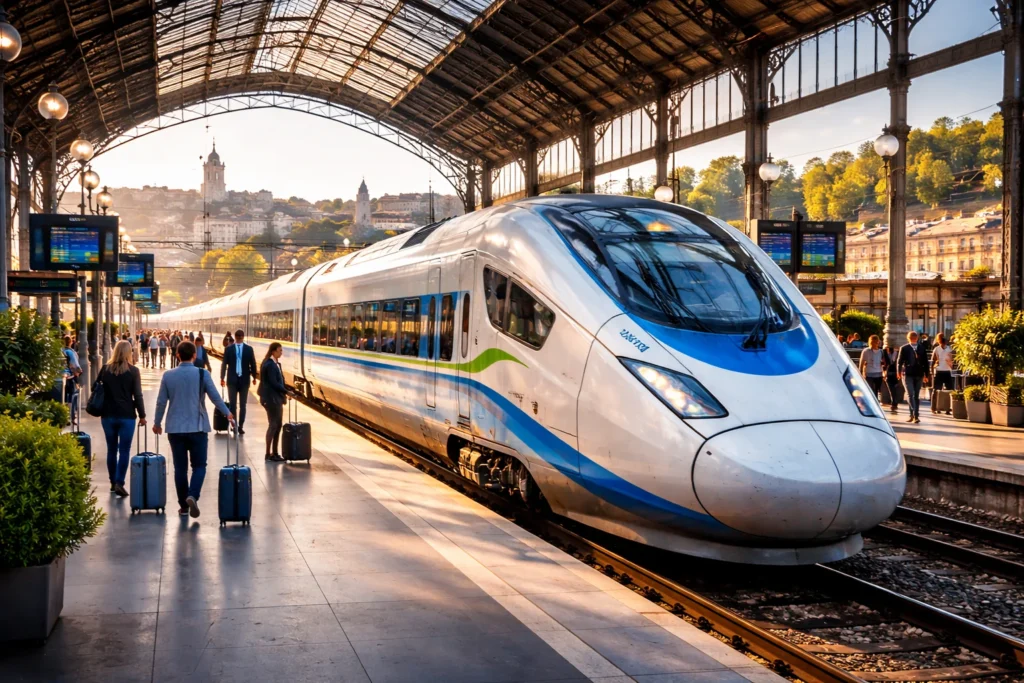
Global travel infrastructure is back in focus after transport manufacturer Alstom announced a performance reset while reaffirming strong long-term demand in the rail sector. The development has drawn attention across tourism and mobility markets because rail networks play a central role in modern travel, sustainable transport, and destination connectivity.
While the company reported strong order intake and continued sales growth, management acknowledged that profitability and near-term execution did not meet expectations. The announcement triggered sharp market reaction, but it also highlighted a larger tourism story: demand for rail travel and transport modernization remains strong worldwide.
For travelers, destinations, and tourism planners, the message is clear. Rail continues to be one of the most important foundations of future tourism growth, even as manufacturers and operators work through operational challenges.
Why Rail Matters to Tourism
Rail transport is one of the most valuable links in the tourism economy. It connects airports with city centers, carries visitors between regions, supports commuter travel in tourism hubs, and enables scenic journeys that become attractions in their own right.
Across Europe, Asia, and growing markets elsewhere, rail is increasingly viewed as a preferred travel option because it offers convenience, comfort, and lower environmental impact compared with many other modes of transport.
High-speed routes allow visitors to move quickly between cities, while regional services help distribute tourism benefits beyond capital cities and major gateways.
When rail manufacturers expand capacity or modernize fleets, the impact can extend far beyond transportation. It can influence hotel demand, visitor flows, conference travel, weekend tourism, and regional economic development.
Strong Orders Show Long-Term Confidence
One of the most significant points in the latest update was the scale of new orders. Strong commercial activity suggests governments, transit authorities, and rail operators continue investing heavily in trains, signaling systems, and mobility infrastructure.
This matters for tourism because public investment in transport often reflects confidence in future passenger demand. Growing cities need better commuter networks, while major destinations require efficient connections for leisure and business travelers.
Large backlogs in the rail sector also indicate that transport modernization remains a long-term priority in many countries.
Even when short-term financial performance fluctuates, sustained demand for new trains and network upgrades points to a positive structural outlook for travel mobility.
Operational Challenges Can Affect Delivery Timelines
Management identified planning discipline, coordination, and project execution as key areas needing improvement. In large transport projects, delays can create knock-on effects across manufacturing, approvals, and final delivery schedules.
For tourism markets, delayed train deliveries or slower infrastructure rollouts may postpone the benefits travelers expect, such as more frequent services, improved comfort, or expanded routes.
However, these challenges are not uncommon in highly complex industries involving engineering, supply chains, multiple production sites, and public contracts.
The more important takeaway is that operational reforms are being prioritized to improve long-term reliability and service delivery.
For travelers, better execution ultimately means stronger networks and more dependable transport experiences.
Sustainable Travel Keeps Rail in Demand
One of the biggest reasons rail remains strategically important is sustainability. Tourism authorities and governments worldwide are encouraging lower-emission travel options as destinations work toward climate goals.
Rail is often central to these strategies because trains can move large numbers of passengers efficiently while reducing road congestion and lowering carbon intensity, particularly where networks are electrified.
This is helping drive investment in fleet renewal, modern rolling stock, digital traffic systems, and expanded cross-border routes.
For tourism boards, rail offers a way to promote greener city breaks, multi-destination holidays, and car-free travel experiences.
As sustainable travel becomes more influential in consumer decisions, rail’s relevance is likely to grow even further.
Rail Supports City Breaks and Multi-Destination Tourism
Modern travelers increasingly prefer flexible itineraries that include multiple destinations in one trip. Rail makes this possible by linking cities and regions quickly and comfortably.
A visitor can arrive in one gateway city, explore several destinations by train, and depart from another hub without needing domestic flights or long road journeys.
This travel style is especially popular in Europe, where extensive networks connect cultural capitals, beach resorts, alpine regions, and secondary cities.
It is also growing in Asia, where high-speed rail has transformed tourism patterns by reducing travel times and opening new leisure markets.
When manufacturers and operators improve fleets and capacity, these tourism benefits can expand significantly.
Business Travel Also Depends on Rail
Rail is not only important for leisure travel. It plays a vital role in conferences, exhibitions, corporate mobility, and daily commuting in major economic centers.
Business travelers often choose trains for city-center convenience, onboard productivity, and reliable scheduling. Convention destinations with strong rail links can become more competitive in attracting events and meetings.
This creates broader tourism value because business visitors often spend on hotels, dining, local transport, and entertainment.
As cities continue developing convention and events strategies, rail connectivity remains a major competitive advantage.
What a Performance Reset Means for the Market
A performance reset in a major transport company does not necessarily signal weaker tourism demand. In many cases, it reflects the pressure of managing growth, fulfilling large backlogs, and improving profitability during expansion.
The combination of strong sales growth and high order intake suggests demand exists. The challenge lies in delivering efficiently and converting demand into stronger margins and cash generation.
For the tourism sector, this distinction is important. Infrastructure demand can remain healthy even when suppliers are refining operations.
That means the long-term case for rail-led travel growth may still be intact.
Future Opportunities in Rail Tourism
Looking ahead, rail tourism offers significant opportunities. Scenic train journeys, overnight sleeper routes, cross-border leisure travel, airport rail links, and integrated ticketing systems are all gaining momentum.
Travelers increasingly value journeys that are comfortable, scenic, and less stressful than air travel for medium-distance routes.
Destinations that invest in rail access can attract visitors who prioritize convenience and sustainability.
Manufacturers that improve reliability, onboard design, and delivery performance will play a major role in enabling these experiences.
A Positive Long-Term Outlook for Travel Mobility
Although the latest announcement focused on short-term performance issues, the wider picture remains encouraging for tourism and mobility.
Demand for rail investment is strong. Sustainable travel trends are accelerating. Cities need better transport systems. Travelers want easier connections.
These forces continue to support rail as one of the most important pillars of future tourism growth.
For destinations, investors, and travelers alike, the long-term direction remains clear: modern rail networks will be essential to the next generation of global travel experiences.