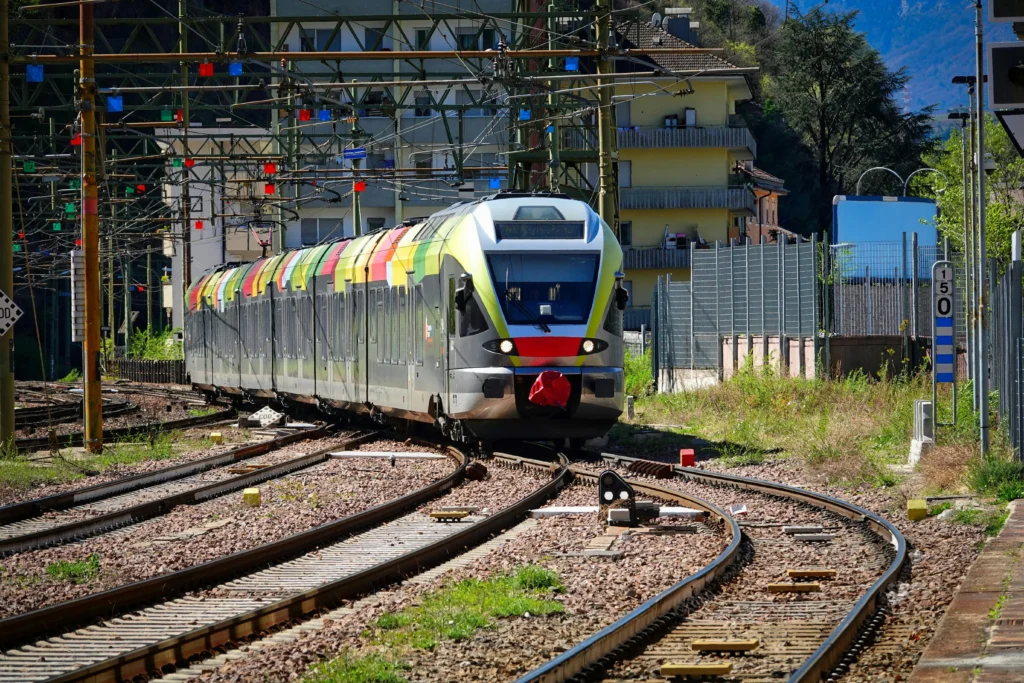
Planning a grand tour of Europe is about to undergo a digital revolution. For years, the dream of a seamless rail journey from the Mediterranean coast of Barcelona to the historic streets of Berlin has been hampered by a fragmented ticketing landscape. Travelers were often forced to navigate multiple websites, manage various currency conversions, and juggle separate tickets from different national operators. Today, the European Commission has signaled a definitive end to this complexity by proposing a comprehensive “one journey, one ticket” framework designed to make international rail travel as effortless as booking a flight.
According to official statements from the European Commission, the newly introduced “Passenger Package” aims to dismantle the barriers that have historically discouraged long-distance rail travel. By mandating a unified digital booking and ticketing regulation, the European Union is laying the groundwork for a future where travelers can compare, plan, and purchase multimodal cross-border journeys through a single transaction.
Single Digital Booking: The New Standard for Connectivity
The core of this initiative is the Single Digital Booking and Ticketing Regulation (SDBTR). Under these proposed rules, passengers will no longer need to be logistics experts to cross a border. Whether using a national railway’s portal or an independent travel platform, users will have access to combined journeys involving multiple rail operators in one go.
Apostolos Tzitzikostas, the Commissioner for Sustainable Transport and Tourism, emphasized that this reform is not merely a technical update but a vital step toward European integration. The goal is to allow citizens to navigate the continent with “one click,” effectively making rail travel a competitive and attractive alternative to short-haul flights. Official data suggests that by simplifying the demand side of transport, the EU can significantly boost its climate objectives while strengthening the Single Market.
Enhanced Protection: Full Passenger Rights for the Entire Route
One of the most significant hurdles for international travelers has been the lack of protection during missed connections. Historically, if a traveler purchased separate tickets for a multi-leg journey and the first train was delayed, they had limited recourse for the subsequent legs. The new proposals address this “fragmentation of rights” directly.
Under the “one journey, one ticket” system, a passenger holding a single ticket for a multi-operator trip is entitled to full rights for the entire route. If a delay causes a missed connection, the railway operator responsible for the disruption is liable for:
Providing immediate assistance and information.
Rerouting the passenger to their final destination at no extra cost.
- Offering reimbursement or compensation based on the total delay to the final destination.
This shift ensures that the traveler’s interests are protected from the moment they board their first train until they reach their final stop, regardless of how many different companies operate the segments in between.
Transparency and Green Choices
The European Commission is also prioritizing transparency in how travel options are presented. Ticketing platforms will be required to display travel offers in a neutral and non-discriminatory manner. This prevents dominant operators from obscuring smaller competitors or more efficient routes.
Furthermore, in a move to support the EU’s Green Deal, the new rules encourage platforms to include information regarding the greenhouse gas emissions of different travel options. This allows environmentally conscious tourists to see exactly how much carbon they are saving by choosing the tracks over the clouds. Official statistics from the Ministry of Transport often highlight that rail remains one of the lowest-carbon mobility options available, and this new transparency aims to turn that data into a decisive factor for travelers.
Infrastructure and Future Growth
The timing of this proposal coincides with a broader push for high-speed rail expansion across the continent. In official reports released by the Commission, the focus has shifted from the “supply side”—building the actual tracks—to the “demand side,” which focuses on the passenger experience. By making it easier to buy a ticket, the EU expects to see a surge in rail tourism, particularly in regions that are currently underserved by direct connections.
Additionally, the regulation introduces new standards for data sharing among rail operators and infrastructure managers. By adopting harmonized EU specifications for digital data exchange, the industry can offer real-time updates on train positions, station accessibility, and service conditions. This level of transparency is crucial for travelers who need to plan complex journeys involving connections between regional, long-distance, and international services.
A Decisive Turning Point for European Tourism
As these regulations move toward adoption by the European Parliament and the Council, the message to the tourism sector is clear: the era of “borderless” rail travel is arriving. This initiative is frequently compared by EU officials to the abolition of mobile roaming charges—a practical solution that makes cross-border life simpler for millions of people.
For the international visitor, these changes mean that the rich tapestry of European culture—from the art galleries of Paris to the thermal baths of Budapest—is becoming more accessible than ever. By removing the administrative and legal anxieties of cross-border rail travel, the European Union is ensuring that the journey itself becomes as enjoyable as the destination. The “Passenger Package” is more than just a set of rules; it is an invitation to explore the continent sustainably, safely, and with the peace of mind that a single ticket provides.
For more travel news like this, keep reading Global Travel Wire