Navigating international air travel demands rigorous attention to documentation, and a single overlooked detail on a passport can completely disrupt a long-awaited journey. The United States maintains explicit border protocols that determine whether an international traveler is authorized to enter the country or faces immediate boarding denial at the gate. Recent advisories highlight that travelers originating from nations experiencing severe administrative backlogs—such as Venezuela, Cuba, and Brazil—are particularly vulnerable to border disruptions if they fail to manage their document renewals well in advance of their departure date.
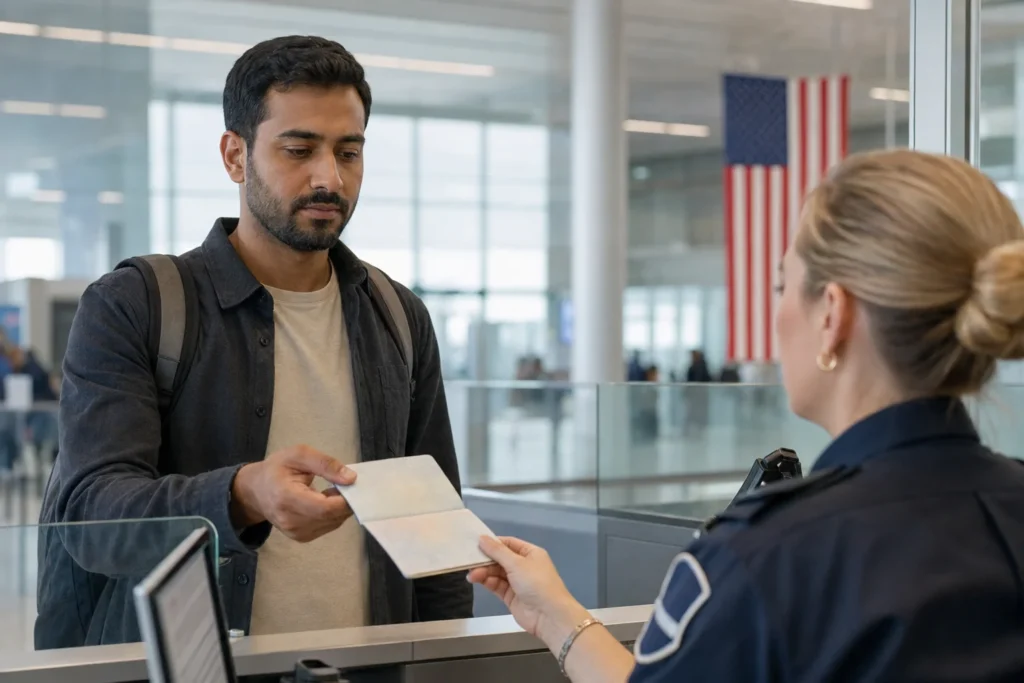
Official directives issued by the United States Department of Homeland Security, through U.S. Customs and Border Protection (CBP), alongside the U.S. Department of State, reinforce that a valid passport is an absolute, non-negotiable prerequisite for entering the country. These federal entry mandates are permanent statutory frameworks governed by U.S. immigration laws, applying universally to all commercial and private air passengers without exception. Regardless of whether an individual holds a valid tourist visa, a business visa, or an approved Electronic System for Travel Authorization (ESTA), an expired or physically compromised passport results in automatic denial of boarding by airline carriers, who are legally bound to enforce U.S. border entry protocols.
Decoding the Core United States Entry Mandates
To gain authorization into the United States, every international passenger arriving by air must present an original, legally recognized passport that is valid at the exact time of travel. Beyond basic validity, international tourism standards generally dictate that a passport must remain valid for a minimum of six months after the intended date of departure from the destination country. This guideline prevents travelers from becoming stranded abroad due to unexpected travel delays, medical emergencies, or sudden flight cancellations that extend their stay past their document’s expiration date.
However, U.S. Customs and Border Protection coordinates a specific bilateral framework known as the Six-Month Club. Under this official agreement, the United States extends a policy exemption to citizens of designated countries, allowing them to enter U.S. territory provided their passport remains valid through the duration of their intended stay. According to official documentation from the CBP Carrier Liaison Program, nations like Brazil and Cuba are included on this specific exemption list, meaning their citizens must have a passport that covers their stay but do not strictly face the six-month post-departure buffer requirement.
Nevertheless, maintaining an unexpired document is mandatory, and the administrative realities within specific home countries continue to pose significant hurdles for eager tourists trying to satisfy these core US travel passport requirements.
The Impact on Venezuelan Travelers
Travelers from Venezuela face some of the most complex administrative paths to secure valid travel documents due to extensive processing windows. The Administrative Service for Identification, Migration, and Immigration (SAIME) is the sole official governing body responsible for issuing and renewing Venezuelan passports. For Venezuelan citizens residing abroad, navigating the passport renewal pipeline requires severe foresight.
Official data indicates that processing a new passport through Venezuelan consular services can take anywhere from two to three months. The financial barrier is equally high, with standard renewal fees ranging between 200 and 350 US dollars, depending on whether the application is processed within domestic offices or managed through international diplomatic missions. Because the United States strictly enforces that documents must be unexpired and fully authenticated, Venezuelan tourists are strongly urged by aviation authorities to initiate their SAIME renewal applications at least 90 days prior to purchasing any airline tickets or finalizing vacation itineraries.
The Reality for Cuban and Brazilian Citizens
A similar logistical challenge affects citizens of Cuba who plan to travel to the United States. The official passport issuance protocol requires applications submitted at international consulates to be routed directly to Havana for final printing and verification. Because of the physical transport and processing layers involved, a newly minted Cuban passport generally requires a waiting window of two to three months before it arrives back at the regional consulate for collection. International air carriers operating under U.S. federal guidelines will reject any passenger whose Cuban travel booklet expires before or during their intended window of stay, making early intervention essential for travelers from this region.
In contrast, the framework in Brazil functions under a different bureaucratic structure. The Brazilian Federal Police does not issue standard document extensions or simple renewals; instead, citizens are required to apply for an entirely new passport booklet upon expiration. The Federal Police estimates a production turnaround of six to ten business days once the physical application is successfully submitted at an official branch.
However, the primary bottleneck for Brazilian tourists does not lie within the printing phase, but rather in securing an available appointment slot at local federal offices. During peak vacation seasons, booking an in-person biometrics appointment can take several weeks. If a traveler discovers a passport issue right before departure, the lack of immediate appointment availability can result in missing their flight entirely, given that U.S. immigration officials will not recognize an expired document.
Pre-Flight Checklist for Global Tourists
To ensure compliance with all federal rules and guarantee a seamless transition through customs checkpoints, international visitors must cross-reference their personal documents against official U.S. check-in requirements:
Absolute Temporal Validity: Ensure the passport is physically intact and valid for the entire length of the intended visit to the United States.
Bilateral Exemptions: Verify whether your home country is a registered participant in the CBP Six-Month Club or if you must adhere to the standard six-month post-stay cushion.
Corresponding Travel Credentials: Confirm that your U.S. nonimmigrant visa or ESTA registration is fully active, matches the legal name on your passport, and is linked to the correct document number.
Administrative Buffers: Fact-check domestic processing timelines with your local ministry of foreign affairs or federal police departments to ensure renewals are finalized before booking non-refundable lodging.
By maintaining strict adherence to these verified international travel requirements and allowing ample time to clear administrative backlogs, global travelers can successfully protect their vacation investments and clear U.S. border controls without facing unexpected delays.
For more travel news like this, keep reading Global Travel Wire