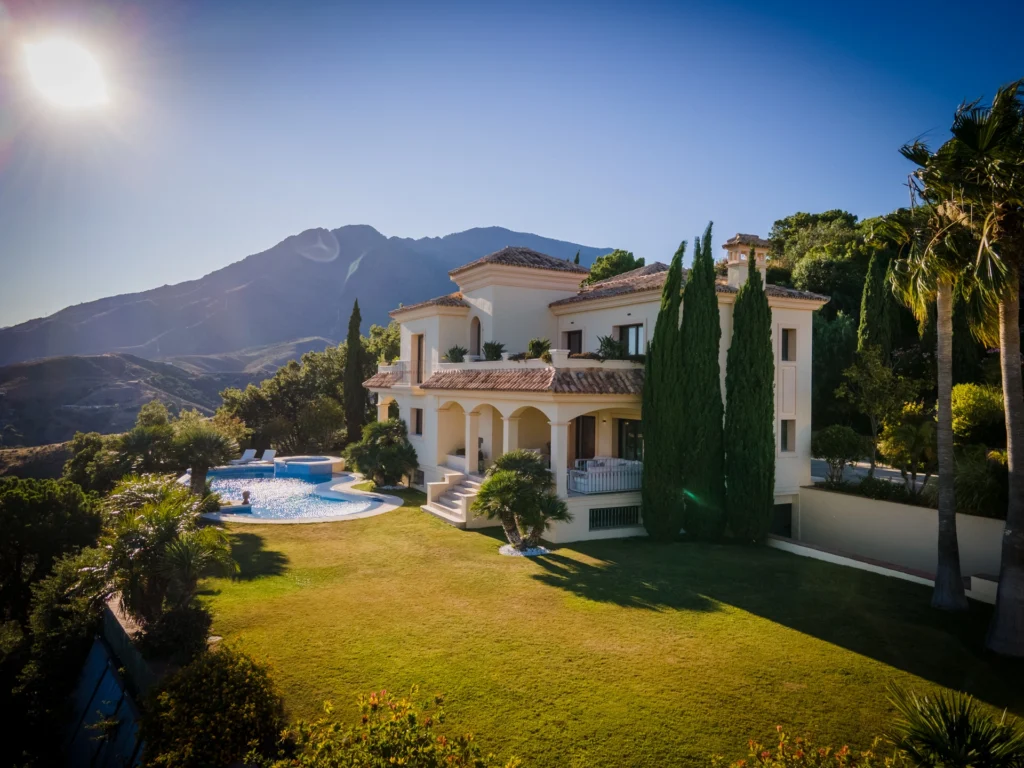
Andalusia’s luxury property market is expanding beyond Marbella as Málaga city, Seville, Tarifa and coastal destinations across Cádiz attract rising interest from international buyers, lifestyle travellers and premium tourism investors.
Marbella remains southern Spain’s most established luxury destination. However, investment is spreading across the wider region as affluent travellers seek cultural depth, international connectivity, Mediterranean living and year-round experiences beyond traditional resort communities.
The transformation is influencing more than residential values. Premium property investment generates repeat visits, longer stays and increased spending across luxury hotels, restaurants, wellness centres, golf courses, marinas, cultural attractions and high-end retail.
This broader demand is helping Andalusia develop several interconnected luxury hubs rather than relying on Marbella as its single international showcase.
Marbella remains the luxury benchmark
Marbella continues to anchor the Costa del Sol’s premium tourism and residential economy.
Its combination of beachfront living, gated communities, championship golf courses, luxury shopping, fine dining and superyacht facilities gives the destination enduring international appeal.
Nearby Benahavís and Estepona strengthen the prestigious corridor commonly called the Golden Triangle. Together, the three municipalities offer luxury villas, resort-style residences, wellness facilities and internationally recognised hospitality.
Sierra Blanca remains among Marbella’s most exclusive residential areas, while new developments across Estepona and Benahavís are introducing sustainable construction, concierge facilities and integrated lifestyle services.
However, rising prices and limited availability in prime locations are encouraging some buyers and extended-stay visitors to consider emerging alternatives elsewhere in Andalusia.
Málaga becomes a year-round premium city
Málaga has evolved from a gateway for Costa del Sol holidays into a major cultural, business and lifestyle destination.
The city combines Mediterranean beaches with museums, restaurants, technology investment, conferences and expanding luxury accommodation. This diversified economy allows Málaga to attract visitors throughout the year rather than depending entirely on summer demand.
Neighbourhoods such as La Malagueta, El Limonar, Pacífico and the historic centre are gaining attention for premium residential development. Their appeal combines urban convenience with access to the coast, cultural institutions and transport links.
Málaga-Costa del Sol Airport handled more than 13.2 million passengers during the first half of 2026, representing annual growth of 6.7%. International traffic exceeded 11 million commercial passengers, demonstrating the gateway’s importance to southern Spain’s visitor economy.
The United Kingdom remained its largest international aviation market, followed by Germany, the Netherlands and Italy.
Strong connectivity supports property-viewing trips, extended stays, remote working and repeat leisure travel across Málaga province.
Seville blends heritage with modern investment
Seville offers a different form of luxury centred on architecture, gastronomy, culture and restored historic properties.
Premium demand is strengthening in areas such as Santa Cruz, Alfalfa, San Vicente, San Lorenzo and the riverside districts surrounding Plaza de Cuba. These neighbourhoods provide access to palaces, traditional residences, cultural landmarks and boutique hospitality.
Unlike coastal markets dominated by holiday-home demand, Seville attracts a balanced mix of domestic purchasers, international investors, professionals and families.
This diversity creates opportunities for heritage-led hotels, serviced apartments, premium restaurants and longer business or educational stays.
Luxury residential investment can also support careful restoration of historic buildings, helping protect architectural character while improving the quality of visitor accommodation.
Cádiz and Tarifa attract coastal demand
Cádiz province is becoming another important part of Andalusia’s premium tourism map.
Tarifa combines Atlantic beaches, protected natural areas, historic streets and globally recognised wind-sports conditions. Its distinctive atmosphere increasingly attracts travellers seeking boutique luxury rather than large resort developments.
La Alcaidesa is also gaining visibility through golf, coastal residences and access to the western Costa del Sol. Meanwhile, Conil de la Frontera, Chiclana, El Puerto de Santa María and Sanlúcar de Barrameda offer gastronomy, beaches and traditional Andalusian character.
These destinations provide alternatives for visitors who want high-quality coastal experiences without Marbella’s density or pricing.
Carefully managed investment could help Cádiz province expand premium accommodation while protecting the landscapes and cultural identity that make its destinations attractive.
Branded residences reshape accommodation
New-build communities and branded residences are becoming increasingly influential across southern Spain.
These projects combine private ownership with hotel-style services such as concierge assistance, housekeeping, wellness facilities, security and professional property management.
They also reflect changing travel behaviour. Affluent visitors increasingly combine holidays with remote work, family stays and longer periods of seasonal residence.
Professionally managed homes can expand the supply of premium visitor accommodation while delivering more consistent service standards.
However, growth must remain aligned with housing availability, environmental protection and local infrastructure. Successful luxury development depends on balancing investment with the needs of permanent communities.
Premium tourism supports regional growth
Andalusia’s 2026 tourism strategy places increased emphasis on premium travel, golf, culture, gastronomy, nature and international market diversification.
The regional government has also proposed almost €200 million for tourism sustainability, innovation and international promotion. Its strategy aims to reduce seasonality and distribute economic benefits across a wider range of destinations.
Spain’s official tourism data continues to show Andalusia’s strength. The region welcomed more than 1.63 million international tourists during May 2026 alone.
As Málaga, Seville, Cádiz and other destinations gain global visibility, luxury property investment will continue influencing tourism demand.
Marbella remains the benchmark, but Andalusia’s premium future is becoming more diverse. Travellers can now combine Mediterranean resorts, historic cities, Atlantic beaches and modern lifestyle communities within one regional journey.
For more travel news like this, keep reading Global Travel Wire