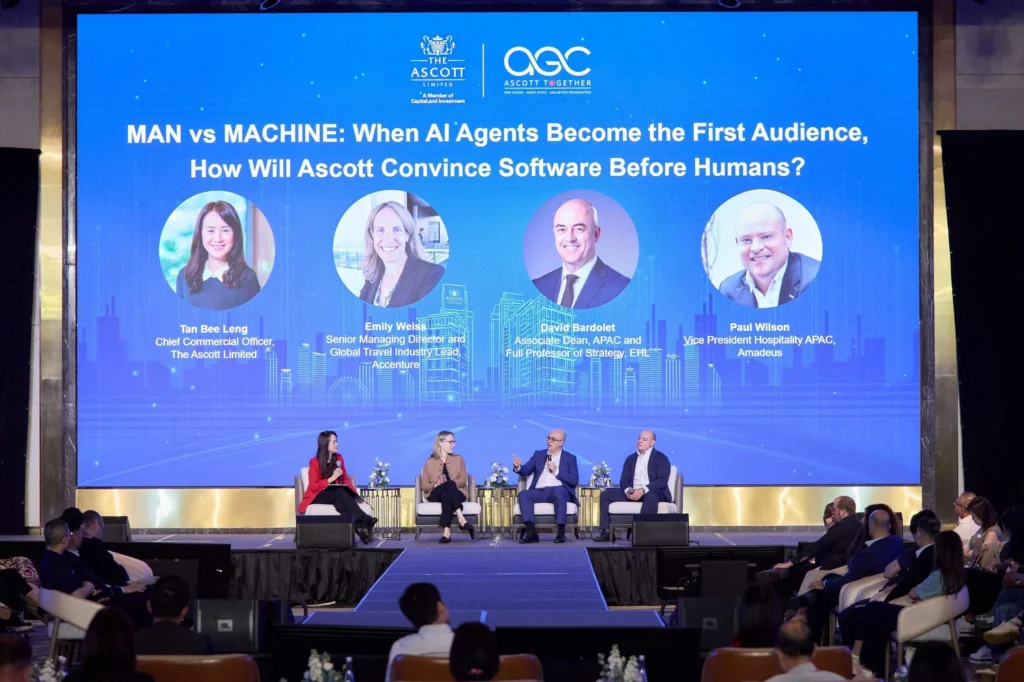
Ascott Limited is accelerating a major artificial intelligence transformation designed to reshape global hospitality through personalized booking, smarter operations, and seamless guest experiences. The company, the hotel division of CapitaLand Investment, has announced collaborations with Accenture, Amadeus, and EHL Hospitality Business School as it builds infrastructure for what it describes as the next era of AI-powered travel and agentic commerce.
The strategy positions Ascott among the travel industry’s most ambitious adopters of AI at a time when hotels worldwide are racing to modernize customer journeys, improve operational efficiency, and meet growing expectations for frictionless digital service.
With more than 1,000 properties across 14 brands in over 230 cities, the scale of Ascott’s transformation could have significant implications for travelers, hotel owners, tourism destinations, and the wider hospitality technology market.
A New Phase of Hotel Personalization
The company’s AI agenda goes beyond simple automation. Instead of using technology only for back-office functions or chatbot support, Ascott is redesigning core systems so AI can influence every stage of the guest journey.
That includes travel inspiration, property discovery, booking recommendations, check-in support, in-stay services, loyalty engagement, and post-trip communication. In practice, this means future travelers may receive faster, more accurate suggestions tailored to preferences, budgets, travel purpose, and previous behavior.
As personalization becomes a key battleground in global tourism, hotels that can anticipate needs rather than merely respond to them are likely to gain a stronger competitive edge.
Why Agentic Commerce Matters
The concept of agentic commerce refers to AI systems that can act with greater autonomy on behalf of users. In travel, that could mean intelligent assistants comparing hotels, checking loyalty benefits, adjusting itineraries, and recommending the best options based on real-time preferences.
For hospitality brands, this creates a new challenge: properties must be visible and understandable not only to human guests, but also to machine-led booking ecosystems.
Ascott’s focus on machine-readable data, smarter property content, and integrated platforms suggests it is preparing for a future where digital agents play a much larger role in how travelers choose accommodation.
Cubby Evolves Into a Digital Travel Concierge
A central part of Ascott’s AI strategy is Cubby, the company’s digital concierge introduced in 2023. According to the company, Cubby has already managed more than 900,000 guest inquiries, helping travelers with itineraries, destination information, and property recommendations.
The next phase of development aims to make Cubby far more proactive. Instead of only answering questions, it could eventually help orchestrate entire stays by anticipating needs before guests ask.
Examples might include suggesting airport transfers, recommending dining options, arranging local experiences, reminding guests about check-in times, or supporting post-departure follow-up. This kind of always-available travel assistant could raise expectations across the hospitality sector.
Smarter Distribution and Faster Booking
Ascott is also working with Amadeus to modernize distribution through the Amadeus Central Reservations System. By using API-first architecture and richer hotel content, the company aims to improve how properties are displayed and matched to travelers.
For guests, that can translate into faster searches, more relevant room recommendations, clearer amenities, and better pricing visibility. For hotels, it can mean improved conversion, stronger reach, and more efficient inventory management.
As booking journeys become more data-driven, suppliers that offer accurate, structured, and dynamic content are likely to perform best across direct channels, online travel agencies, and AI-led search tools.
Human Talent Still Central to Hospitality
While AI is at the center of the strategy, Ascott has also emphasized workforce development. Through its collaboration with EHL Hospitality Business School, the company is training employees to work effectively alongside new technologies.
That reflects a broader industry reality: travelers may appreciate speed and convenience from AI, but human service remains essential in hospitality. Empathy, judgment, local knowledge, and emotional connection are difficult to automate.
Hotels that combine intelligent systems with well-trained teams are likely to deliver the strongest guest satisfaction outcomes.
Tourism and Industry Impact
For the travel sector, Ascott’s move highlights how AI is shifting from experimental tool to core business infrastructure. Tourism boards, airlines, hotel investors, and technology providers are all watching how major groups implement these systems at scale.
The long-term benefits could include smoother travel planning, higher loyalty engagement, more efficient staffing, stronger direct bookings, and better traveler experiences across business and leisure segments.
Destinations may also gain when visitors receive more personalized recommendations that encourage longer stays and greater local spending.
Looking Ahead
Ascott’s AI-driven transformation signals where hospitality is heading next: toward journeys that are more intuitive, connected, and personalized from start to finish.
As travelers increasingly expect instant service and tailored experiences, hotel groups that invest early in intelligent infrastructure may define the future of global tourism. Ascott has made clear it intends to be one of them.
For more travel news like this, keep reading Global Travel Wire