Why do some hotel stays fade from memory within days while others remain vivid for years? In the modern global travel landscape, the answer rarely lies in standardized luxury or high-tech conveniences alone. Instead, long-term impact stems from small, emotionally resonant moments. By applying principles of memory science, hotel leaders and hospitality managers can reshape traditional touchpoints into unforgettable journeys that strengthen brand loyalty, increase positive advocacy, and support broader international tourism growth.
Every journey represents a personal adventure. Yet, many travelers find that their accommodations blend into a single, hazy image defined by identical check-in queues, predictable room layouts, and standard departures. Often, the only details that stick are minor frustrations—a broken iron or an unreliable room key. Conversely, unexpected acts of genuine hospitality—such as finding local treats in a room or a thoughtful gesture for a child—stand out clearly for decades. While flawless operational service keeps guests comfortable in the moment, emotional connection determines what they remember long after checking out.
Moving Beyond the Standard Guest Journey
Traditional hospitality framework maps the hotel guest experience across a linear sequence of functional steps: reservation, arrival, room access, food and beverage, sleep, breakfast, and check-out. Seamless digital systems and well-orchestrated service processes are crucial for operational efficiency, but efficiency alone does not automatically build lasting memories.
What guests truly retain are specific, emotionally charged interactions. Travelers may forget lobby decor or dining room table layouts, but they vividly recall how team members made them feel—whether through a warm welcome following a long transit, a personalized note, or an unexpected celebration of a milestone.
Incorporating memory science means introducing an emotional dimension to the customer journey. Hospitality teams must ask not only “What actions occur at this touchpoint?” but also “What emotion should the guest feel right now?” Distinctiveness, rather than plain seamlessness, is what anchors an experience in human memory.
Five Key Strategies for Memory Engineering
Tourism professionals and hospitality operators can apply five strategic opportunities to elevate moments into lifelong memories:
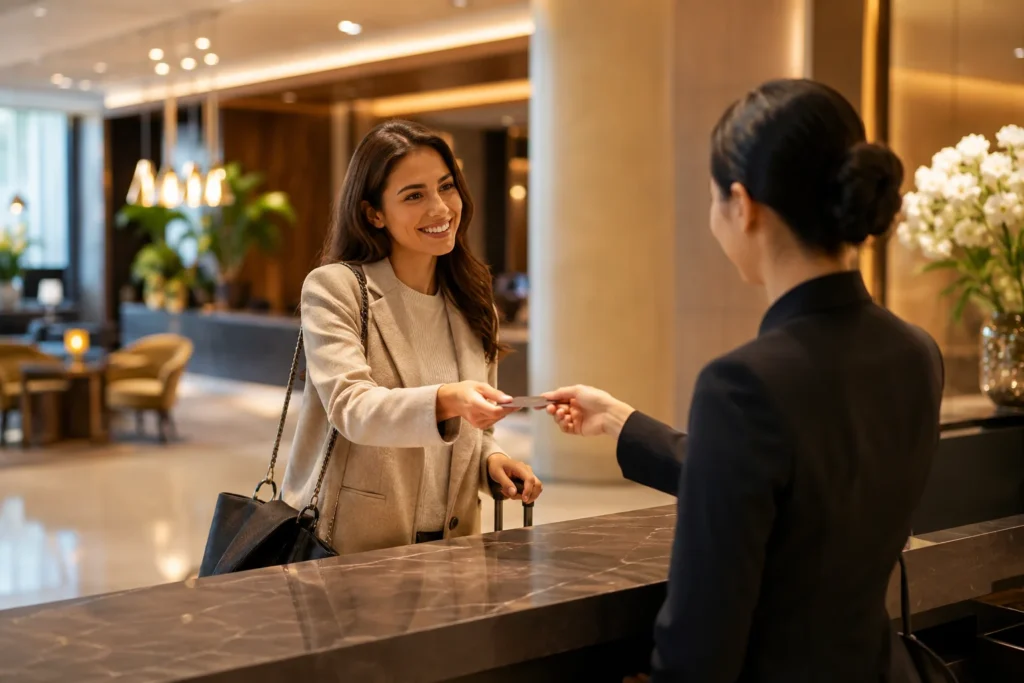
1. Transform the Arrival Experience Arrival marks a critical psychological transition from travel fatigue and uncertainty to comfort and safety. Hotels can elevate this transition into a welcoming ritual. Replacing cold, transactional front-desk exchanges with local signature refreshments, comfortable seated greetings, ambient lighting, or curated acoustic environments immediately shifts the traveler’s emotional state toward relaxation.
2. Design High-Impact Peak Moments Psychological research demonstrates that people evaluate an entire stay based largely on its peak emotional intensity and its conclusion. A property does not need to deliver extraordinary gestures every minute. Instead, deliberately engineering one or two signature elements—such as a rooftop sunset tradition or a unique culinary demonstration—creates a distinct memory anchor for the stay.
3. Personalize Around Human Context Effective personalization goes beyond storing preference data in customer management databases. It requires understanding the human narrative behind the trip. Tailoring services to suit the specific context—whether a multi-generational family vacation, a solo retreat, or a wedding anniversary—allows staff to facilitate shared connections and meaningful story-making opportunities for travelers.
4. Activate Sensory Memory Anchors Sensory inputs—including subtle custom fragrances, ambient music, local textures, and distinctive regional flavors—act as powerful psychological triggers. When hotels pair signature sensory details with high-quality service, guests build subconscious associations that allow those same sensory cues to recall fond travel memories long after returning home.
5. Engineer Meaningful Departures Departure represents the final impression of the stay, yet it is frequently treated as a routine transactional exchange focused on settling bills. Transforming departure into a warm farewell ritual—such as providing travel refreshments, a small keepsake reflecting local culture, or a sincere expression of appreciation—ensures the stay ends on an uplifting, caring note.
Empowering Frontline Staff for Authentic Hospitality
Memory engineering is not about manufacturing forced interactions or disguising sub-par service with novelty items. Operational excellence remains the absolute foundation of successful hospitality management.
Unscripted, authentic human interactions consistently outweigh rigid, automated surprises. Leading hospitality organizations foster this by empowering frontline employees to recognize individual guest needs and act autonomously to solve problems or create delightful surprises. Regular team huddles where staff share success stories inspire a property-wide culture centered on genuine care, empathy, and distinct service delivery.
Ultimately, evaluating hotel performance should extend beyond basic satisfaction ratings like “How was your stay?” Hospitality leaders should also measure impact through a deeper lens: “What moments will you remember from your time with us?” By focusing on emotional resonance, hotels create distinctive guest experiences that turn casual travelers into lifelong brand advocates and drivers of sustainable tourism.
For more travel news like this, keep reading Global Travel Wire