Dubai hotels are entering the next phase of the city’s tourism growth with strong occupancy, expanding luxury experiences and accommodation options ranging from energetic beachfront resorts to secluded desert retreats. However, British travelers planning UAE holidays must continue checking official travel guidance because current UK advice still recommends against all but essential travel to the country.
The advisory means prospective visitors should review their insurance conditions, airline arrangements and booking flexibility before confirming a journey. British government guidance warns that traveling against official advice can affect the validity of some insurance policies.
While this position may temporarily influence UK bookings, Dubai’s broader tourism economy remains resilient. Official tourism data shows that the city welcomed 19.59 million international overnight visitors during 2025, representing annual growth of five percent and delivering a third successive record year.
Dubai’s hotel sector also achieved an average occupancy rate of 80.7 percent, demonstrating sustained international demand across luxury, midscale and budget accommodation.
Record Visitor Growth Supports Hotel Demand
The city’s hospitality performance reflects Dubai’s role as one of the world’s leading leisure, aviation and business tourism hubs. Occupied hotel room nights increased to 44.85 million during 2025, while the average length of stay reached approximately 3.7 nights.
Hotel operators also benefited from stronger room revenues. The average daily rate rose to AED579, while revenue per available room increased to AED467. These results indicate that travelers are not only arriving in greater numbers but are also continuing to spend on premium accommodation and destination experiences.
Across the wider UAE, hotel establishments welcomed more than 32 million guests during 2025. National hotel revenues climbed to AED49.21 billion, reinforcing tourism’s importance to economic diversification, employment and hospitality investment.
Dubai’s strong international air connectivity remains central to this growth. Dubai International Airport handled 95.2 million passengers during 2025, supporting visitor flows between Europe, Asia, Africa, the Americas and the Middle East.
Beach Resorts Attract Social and Family Travelers
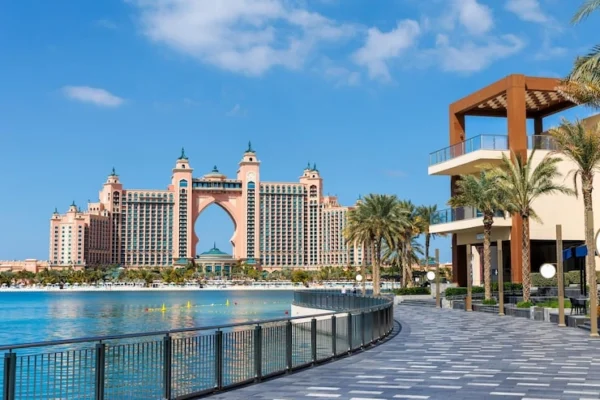
Dubai’s coastline remains one of its strongest tourism assets. Beachfront hotels around Palm Jumeirah, Jumeirah Beach and Dubai Marina combine private beaches with swimming pools, restaurants, wellness facilities and entertainment.
Several resorts cater to travelers seeking lively social experiences, with beach clubs, poolside programming and evening dining. These properties appeal particularly to couples, groups of friends and younger holidaymakers looking to combine relaxation with nightlife.
Families can choose expansive coastal resorts offering children’s clubs, water attractions, interconnecting rooms and supervised activities. This concentration of facilities allows visitors to remain within a resort while accessing dining, recreation and beach experiences throughout their stay.
The range of hotel formats strengthens Dubai’s ability to attract different traveler segments without relying on a single hospitality model.
Urban Hotels Deliver Skyline Experiences
Central Dubai provides a contrasting accommodation experience built around architecture, business access and panoramic views. High-rise hotels near Downtown Dubai, Sheikh Zayed Road and the Dubai International Financial Centre offer proximity to commercial districts, shopping destinations and major attractions.
Many properties feature rooftop pools, observation lounges and rooms overlooking landmarks such as Burj Khalifa. Floor-to-ceiling windows and elevated dining venues have become defining elements of the city’s urban hospitality identity.
Business travelers often select these districts for efficient access to offices, exhibition venues and transport connections. Leisure guests also benefit from being close to shopping centres, museums, restaurants and entertainment areas.
New hotel development incentives are supporting further expansion in emerging districts, helping Dubai distribute tourism activity beyond its established hospitality zones.
Desert Retreats Broaden Dubai’s Luxury Offering
Beyond the city centre, desert resorts provide quieter alternatives for visitors seeking privacy, wellness and nature. These properties commonly offer private villas, plunge pools, spa programmes and guided desert activities.
Experiences may include wildlife observation, camel journeys, conservation-focused excursions and sunrise wellness sessions. The contrast between the desert landscape and Dubai’s urban skyline gives travelers the opportunity to combine two very different environments within one itinerary.
Wellness tourism is becoming increasingly important across the luxury sector. Hotels are investing in personalised treatments, fitness programmes, hammam experiences and nutrition-led dining to meet demand from guests prioritising restorative travel.
Sustainability Shapes Future Hotel Development
Environmental performance is also becoming more visible across Dubai hotels. The Dubai Sustainable Tourism initiative recognised 153 hotels with its sustainability stamp during 2025, more than double the number recognised in the previous year.
Participating hotels are being encouraged to reduce energy and water consumption, limit waste and improve responsible operating practices. These measures support Dubai’s wider tourism strategy while responding to growing traveler interest in more sustainable accommodation.
Dubai’s diverse hotel market, strong airport connectivity and record visitor numbers position the city for continued long-term tourism growth. British vacationers considering future trips should nevertheless monitor official UK advice, confirm insurance coverage and use flexible booking conditions until the current travel warning changes.
For more travel news like this, keep reading Global Travel Wire