Elaf Hotels is turning greater attention toward Saudi Arabia’s secondary cities and major giga projects as tourism investment spreads beyond the Kingdom’s established hospitality centres.
The Saudi hospitality group sees significant potential in underserved destinations where new tourism, infrastructure and economic developments are creating demand for additional accommodation. Its growth strategy combines Elaf-owned brands, including Joudyan, with opportunities to operate international hotel brands through franchise arrangements.
Riyadh, Jeddah, Makkah and Madinah will remain important markets. However, Elaf increasingly sees secondary cities as the next frontier for upscale, upper-upscale and midscale hospitality development.
The company is also exploring partnerships with government and semi-government organisations connected with Saudi Arabia’s expanding portfolio of mega and giga projects.
Established Saudi Portfolio Provides Expansion Platform
Elaf Group’s current hotel portfolio includes nine properties offering 3,377 rooms. The business records more than one million booked room nights annually, giving it an established position within Saudi Arabia’s hospitality sector.
Its existing footprint is concentrated in Makkah, Madinah, Jeddah and Riyadh.
These cities expose the group to several important travel segments. Makkah and Madinah remain critical centres for religious tourism, while Riyadh and Jeddah attract corporate travellers, domestic visitors, international tourists and short-stay city-break demand.
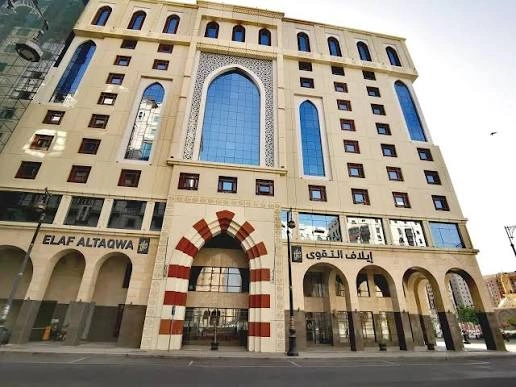
Makkah remains particularly significant to Elaf’s identity. Elaf Kinda provides 240 rooms, while Elaf Bakkah offers 810 accommodation units for visitors travelling to the Holy City.
This long-standing involvement in pilgrimage hospitality has helped establish the company’s service philosophy around traditional Saudi hospitality.
Joudyan Broadens Elaf’s Hotel Strategy
Joudyan has emerged as a central element of Elaf’s next stage of expansion.
The hospitality concept was introduced in Riyadh’s Olaya district in 2022 and has since helped broaden the company’s presence beyond its traditional religious tourism markets.
Current Joudyan properties include Joudyan Olaya in Riyadh, Joudyan Red Sea Mall in Jeddah and Joudyan King Road in Jeddah.
Elaf’s plans for the brand extend across different accommodation categories. Future Joudyan properties could include five-star and four-star hotels, extended-stay accommodation and more affordable hotel products.
This flexibility could become important as Saudi destinations attract increasingly diverse visitor segments, ranging from business travellers and families to leisure tourists attending major events or exploring emerging destinations.
Secondary Cities Offer Untapped Hotel Demand
Secondary Saudi cities are becoming increasingly important to Elaf because many remain underserved by internationally positioned hotel accommodation.
The group sees opportunities to introduce upper-upscale, upscale and midscale hotels as tourism development, infrastructure investment and domestic travel expand across the Kingdom.
Such expansion could also spread tourism’s economic benefits more widely.
New hotels generate demand for local employees, food suppliers, transportation companies, tour operators and other visitor services. Increased accommodation capacity can also support destinations seeking to attract conferences, events and longer leisure stays.
For travellers, a broader geographical distribution of established hotel brands may provide greater choice when exploring areas beyond Saudi Arabia’s largest metropolitan and religious tourism centres.
Giga Projects Create Hospitality Opportunities
Saudi Arabia’s mega and giga projects represent another major growth opportunity for Elaf.
Large destination developments are creating new hospitality zones requiring accommodation across different price and service categories. Elaf plans to explore these opportunities through both its own hotel concepts and partnerships involving international brands.
Working with government and semi-government organisations could allow the company to participate in destination development while maintaining its Saudi management identity.
The strategy also reflects the wider transformation of Saudi tourism, where new entertainment districts, resorts, cultural destinations and mixed-use developments are creating fresh travel patterns.
Saudi Talent Remains Central to Growth
Local workforce development forms another important part of Elaf’s expansion strategy.
More than 45% and close to half of the company’s employees are Saudis. Elaf aims to expand this participation while developing hospitality professionals capable of supporting its growing hotel network.
This approach allows the company to combine international hospitality standards with locally rooted service.
As travellers increasingly seek authentic destination experiences, genuine Saudi hospitality could become an important differentiator for both Elaf and Joudyan properties.
International Growth Remains a Future Opportunity
Elaf has also considered longer-term expansion across the GCC, wider Middle East and potentially Europe.
However, its currently listed hotel operations remain concentrated within Saudi Arabia.
The group already has international experience through its Hajj and Umrah travel activities, including overseas operations established in Egypt, Morocco, Turkey and Indonesia.
For now, Saudi Arabia remains the priority.
As giga projects accelerate and secondary cities gain greater tourism investment, Elaf Hotels is positioning itself to participate in the Kingdom’s next hospitality growth cycle through locally developed brands, international partnerships and an expanding Saudi workforce.
For more travel news like this, keep reading Global Travel Wire