The infrastructure of high-end tourism in South Asia is entering a transformative growth phase as major multi-national operators align their expansion assets. According to official administrative declarations released by national investment boards, global lodging leader Marriott International has formalized a landmark management pact with CG Hospitality Global, the fast-expanding hospitality subsidiary of the Chaudhary Group. The milestone agreement, signed during an executive ceremony on June 7, 2026, details the dual debut of two world-renowned premium hotel networks in the capital city of Kathmandu, marking an aggressive structural step toward scaling up luxury hospitality development across the Himalayan region.
The multi-brand transaction introduces two distinct guest accommodation profiles to the capital’s urban grid: The Ritz-Carlton Kathmandu and The Westin Kathmandu. Anticipated to achieve full operational status by 2031, the combined construction initiatives are engineered to inject approximately 300 highly premium guest room choices into the local metropolitan inventory. The execution panel involves a comprehensive consortium of regional real estate developers, drawing capital and specialized construction expertise from notable domestic enterprises including the Chaudhary Group, IEG Group, IJ Group, and Sharma & Company, thereby anchoring the international venture within local investment frameworks.
Strategic Urban Placement and Destination Layout Metrics
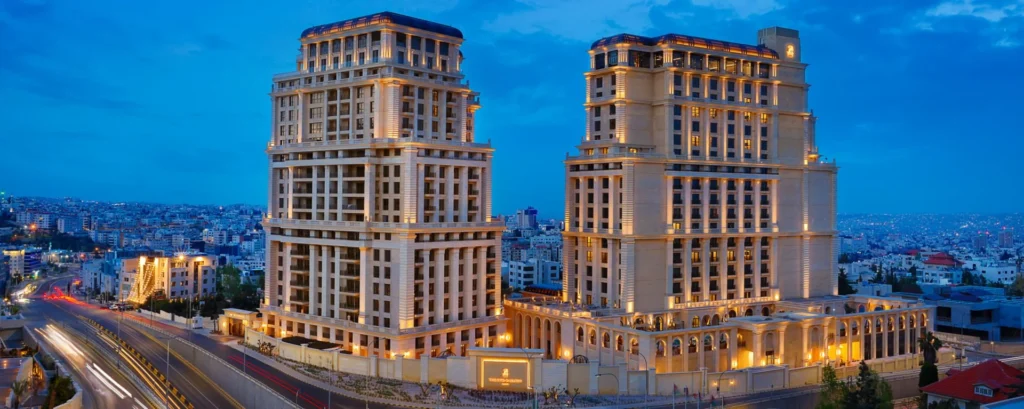
The geographic allocation of the upcoming luxury properties has been carefully planned to maximize transport logistics and give high-spending international vacationers seamless access to the capital’s essential cultural heritage coordinates. The Ritz-Carlton Kathmandu will establish its primary entrance in Thamel, the historic core of the city’s commercial and recreational tourism activities. Situated just five kilometers from Tribhuvan International Airport, the ultra-luxury development will feature 150 meticulously configured keys, including 30 expansive structural suites tailored for long-stay luxury travelers.
Project planners indicate that the property will boast an extensive array of high-tier wellness and food options, including five standalone culinary venues, an outdoor leisure pool, a dedicated fitness matrix, and the brand’s signature spa facility. Furthermore, to capture a greater share of the lucrative regional business travel and conventions market, the complex will integrate over 1,100 square meters of highly adaptable meeting and banqueting infrastructure. The neighborhood positioning places arrival parties within short transit distances of iconic sovereign sites, such as the Narayanhiti Durbar Museum, the historic Kathmandu Durbar Square, the Swayambhunath Stupa, and the revered Pashupatinath Temple corridors.
Integrating Wellness Architecture and Business Event Spaces
Concurrently, the premium lifestyle segment will be expanded via the introduction of The Westin Kathmandu, positioned roughly seven kilometers from the international aviation terminal. Mirroring its luxury sister property with a matching capacity of 150 premium rooms and suites, this facility is being engineered around the network’s proprietary holistic wellness programs, purposefully designed to alleviate long-haul travel fatigue and enhance executive productivity.
The structural program for this upscale asset includes:
Dedicated Culinary Outlets: Three distinct dining venues focusing on balanced dietary alternatives and local culinary infusions.
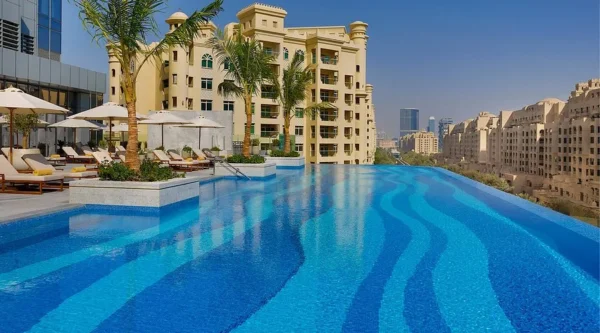
Advanced Fitness Studios: An expansive, state-of-the-art movement center combined with a premium rooftop swimming facility.
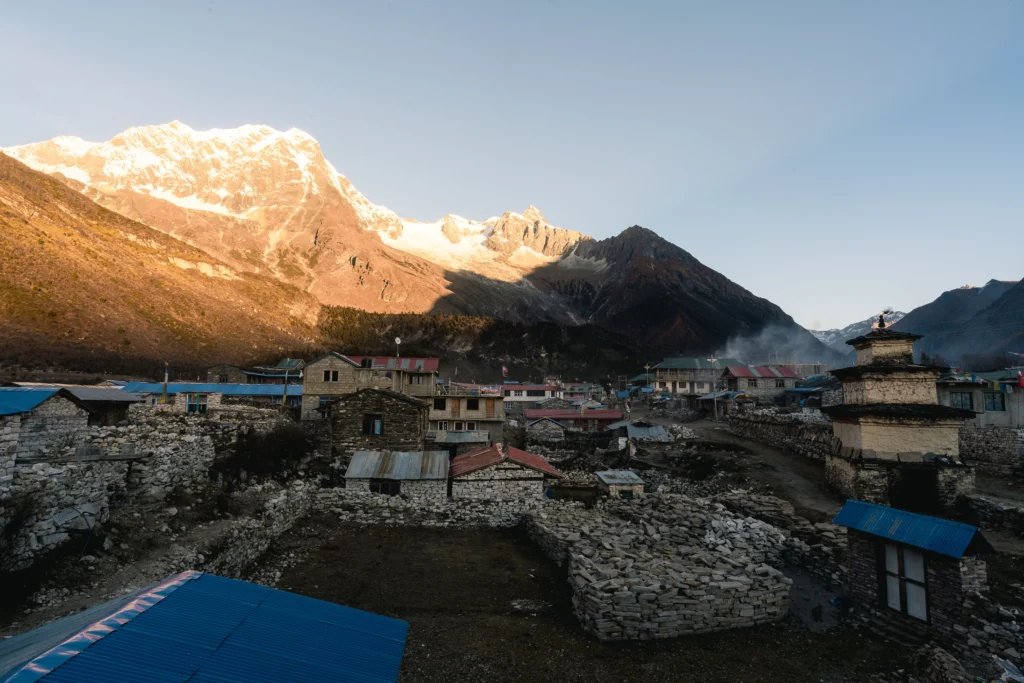
Therapeutic Recovery Facilities: The integration of a signature therapeutic spa hub to cater to upscale leisure visitors and trekkers returning from alpine expeditions.
Natural Light Event Frameworks: Over 700 square meters of conference and banquet halls engineered with smart environmental technology and floor-to-ceiling windows to utilize natural light patterns.
By prioritizing high-end health amenities, the development effectively positions the capital to tap into the rapid growth of global wellness tourism, providing specialized rest environments that historically have been limited within the regional market.
Macroeconomic Drivers and Long-Term Destination Upgrades
The administrative alignment between global hotel networks and domestic business conglomerates highlights a structural maturation within the wider South Asian travel industry. Historically recognized as a premier destination for seasonal adventure tourism, mountaineering groups, and low-yield backpacking itineraries, the country’s destination management organizations are actively working to attract higher-spending demographics. The official introduction of top-tier global brands acts as a powerful verification of the country’s long-term economic stability and security protocols.
Executive boards present at the signing ceremony, including international directors from the United States and regional corporate heads from across South Asia, noted that these initiatives provide substantial fiscal benefits beyond the immediate real estate sector. The long-term construction phase and subsequent operational staffing models are projected to create thousands of direct and indirect localized career opportunities, providing domestic hospitality professionals with world-class technical training. This domestic capacity building ensures that regional service standards match global quality tracking metrics, helping transform the capital from a brief transit stop into a premier luxury destination for international corporate summits, multi-national retreats, and affluent global explorers.
Essential Practical Advisory for Connected South Asian Travelers
As regional development ministries and international flight operators align infrastructure profiles to manage expanding high-net-worth passenger arrivals, global holidaymakers should implement disciplined transit habits:
Monitor Airport Expansion Projects: Keep updated via official civil aviation bulletins regarding ongoing terminal modernizations at Tribhuvan International Airport to anticipate changing baggage processing timelines.
Verify Historical Landmark Access Rules: Coordinate directly with authorized tourism boards to confirm seasonal opening schedules for protected cultural monuments around Kathmandu Durbar Square prior to setting out on foot.
Pre-Register Mobile Visa Clearances: Access official immigration portals online to complete entry visa applications at least 72 hours before departure, avoiding delays at immigration desks upon terminal arrival.
Secure Adaptable Activity Insurances: Ensure high-altitude holiday insurance policies feature extensive medical coverage and emergency transit provisions if your urban stay includes connections to northern trekking trails.
For more travel news like this, keep reading Global Travel Wire