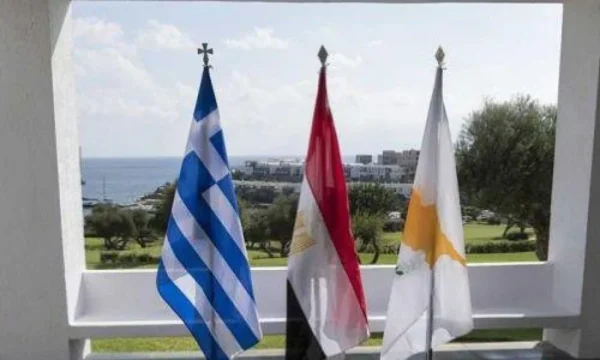
Greece, Cyprus and Egypt are strengthening seasonal labour cooperation as staff shortages place growing pressure on Eastern Mediterranean hotels, restaurants and resorts.
Rather than operating as one unified visa system, the emerging corridor combines bilateral agreements, national recruitment programmes and European Union seasonal employment rules. Together, these mechanisms could create a more organised flow of trained Egyptian workers into Greek and Cypriot tourism businesses.
The development carries major implications for regional tourism competitiveness. Hotels require sufficient employees to maintain rooms, kitchens, restaurants and guest services during the busy summer period.
Without dependable staffing, businesses may need to restrict available rooms, shorten operating seasons or reduce services despite strong visitor demand. That risk is especially significant across islands and coastal destinations where tourism activity rises rapidly between spring and autumn.
Record tourism increases staffing pressure
Greece’s tourism economy reached another milestone in 2025. Official figures showed travel receipts rising 9.4% to approximately €23.6 billion, while inbound traveller numbers also increased.
The expansion continued into 2026, reinforcing Greece’s position among Europe’s leading destinations. However, high demand has intensified an established shortage of hospitality employees.
Industry assessments have repeatedly identified tens of thousands of unfilled positions across Greek hotels, restaurants and related tourism services. Cyprus faces similar pressures, with accommodation and food businesses recording particularly strong demand for workers during the main travel season.
Demographic change has compounded the problem. Ageing populations and lower birth rates have reduced domestic labour availability. Meanwhile, wage growth in Central and Eastern Europe has weakened the traditional flow of seasonal EU workers towards Mediterranean resorts.
Consequently, Greece and Cyprus are increasingly looking beyond the European Union for regulated recruitment partnerships.
Greece expands seasonal employment pathways
Greece’s migration framework permits third-country nationals to undertake seasonal work in tourism for up to nine months within a 12-month period.
Employers must apply electronically through the country’s official migration services. Applications include the proposed job, employment period, worker information and a valid contract specifying hours, pay and working conditions.
Approved workers receive a national visa that provides immediate access to seasonal employment. They must also obtain Greek tax and social security identification and open a bank account for wage payments.
Employers must provide suitable accommodation or prove that the employee has secured housing meeting required health and safety standards. If rent is charged, its cost must be proportionate and cannot be deducted automatically from wages.
These requirements aim to make international recruitment more transparent while reducing the risk of poor housing, illegal employment and wage exploitation.
Cyprus diversifies international recruitment
Cyprus is also using regulated third-country recruitment to address shortages across hospitality, construction and other important economic sectors.
Egypt offers a geographically close labour market with established tourism expertise and direct air links to the island. Structured cooperation can help Cypriot employers recruit workers for housekeeping, kitchens, food service and hotel maintenance.
Cyprus has also developed recruitment channels involving India, the Philippines, Vietnam, Nepal and Bangladesh. This diversified model can reduce dependence on one source market while giving hotels access to workers with different technical, culinary and language skills.
Employment contracts, work authorisations and wage requirements remain central to these pathways. Strong oversight will be essential because rapid recruitment can expose workers to excessive fees, unclear contracts or unsuitable accommodation.
European rules protect seasonal workers
Greece and Cyprus must operate their seasonal recruitment systems within EU law. Directive 2014/36/EU establishes conditions governing the entry and stay of third-country seasonal employees.
The framework requires equal treatment in important areas, including employment conditions, working hours, health and safety, social security and access to certain public services.
It also requires evidence of adequate accommodation and provides safeguards against excessive rent. Member states must ensure that seasonal workers can submit complaints and receive protection when employers breach their obligations.
These rules are critical to the corridor’s credibility. Recruitment cannot sustainably resolve tourism shortages if it lowers wages or leaves workers vulnerable to exploitation.
Training can support service quality
Pre-departure education could become one of the corridor’s most valuable components. Egyptian vocational institutions can prepare candidates for European food safety practices, hotel technology and guest-service expectations.
Training in property management systems, point-of-sale platforms and hospitality English can reduce the time required for hotel onboarding. Basic Greek language instruction may further improve workplace communication and visitor interactions.
Air connectivity also supports the corridor’s practicality. Flights linking Cairo with Athens and Larnaca provide access to onward services towards Greek resort destinations.
However, recruitment schedules must align with resort opening dates. Delayed visas can leave hotels understaffed during crucial early-season weeks, even when workers and contracts are already available.
Labour mobility becomes tourism infrastructure
For Greece and Cyprus, seasonal labour mobility is becoming as important as aviation capacity and hotel investment. Destinations cannot fully benefit from rising arrivals if businesses lack enough people to serve visitors.
Egypt can gain through legal employment opportunities, remittances and stronger vocational expertise. Returning workers may also bring international hospitality skills back into the Egyptian tourism economy.
The emerging Mediterranean tourism workforce corridor therefore offers benefits across the region. Its long-term success will depend on efficient administration, fair recruitment, enforceable contracts and dignified accommodation.
If those safeguards remain central, cooperation between Greece, Cyprus and Egypt could help protect service quality while creating a more resilient and responsible model for Mediterranean tourism growth.
For more travel news like this, keep reading Global Travel Wire