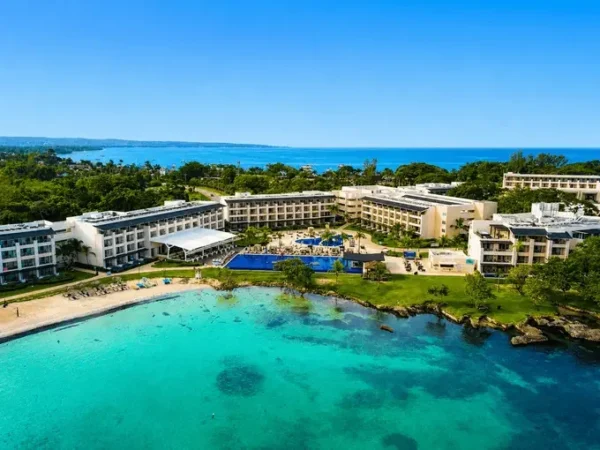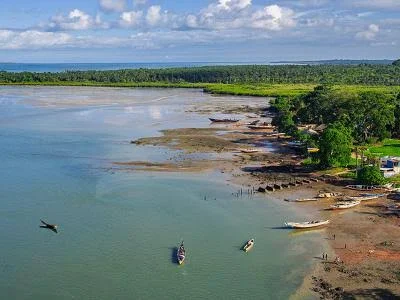
Guinea has signed a US$42 million private investment agreement to redevelop Rogbanè beach in Conakry, advancing plans to broaden its visitor economy. The project includes hotels, a marina and a promenade, although no public opening date has been announced.
Signed on 4 August 2026, the agreement covers approximately 15 hectares over 20 years. It also gives Ratoma municipality a share of future operating revenue, without specifying the percentage.
The development forms part of Guinea’s ambition to turn growing business activity into wider tourism opportunities. However, the signed commitment applies to Rogbanè alone, rather than every beach identified for improvement.
Five Beaches Have Different Development Needs
Guinea’s national tourism catalogue identifies Yimbaya, also known as Bénarès, alongside Lambanyi, Rogbanè, Ratoma and Tayaki.
Although Rogbanè lies within Ratoma municipality, Ratoma beach appears as a separate site in the catalogue.
The locations have different priorities. Access to the shoreline is a concern at Lambanyi and Tayaki, while Yimbaya’s proposals include food outlets, play areas and water sports.
These distinctions matter for travellers considering coastal visits around Conakry.
A site’s inclusion in a development catalogue does not confirm that proposed facilities are operating. Visitors should establish current access, transport arrangements and available services before planning an outing.
Rogbanè Agreement Includes A Community Dimension
Rogbanè stands apart because its redevelopment has a named investment commitment and a defined role for local government.
The revenue-sharing arrangement could connect the municipality with future commercial activity at the beach.
However, the announcement does not quantify expected municipal income, employment or visitor spending.
Officials also requested a memorial to the 34 people who died during a crowd crush at the beach in July 2014.
The project therefore involves both future development and remembrance of the site’s history.
For residents and tourism businesses, implementation will determine how the proposed public spaces and commercial facilities fit together.
Simandou Provides A Wider Economic Backdrop
Guinea launched iron ore operations at Simandou on 11 November 2025, strengthening attention on the country’s economic development.
Later that month, authorities opened the tourist season in Lola, near Mount Nimba, and announced a national tourism ambition.
The government aims to increase tourism’s share of economic output from below 1% to 5%.
Historical measurements placed the sector’s contribution at 0.93% in 2019 and 0.60% in 2021.
The 5% figure remains a national target rather than a result already achieved.
Beach investment offers one potential avenue for diversification, but mining activity alone does not establish increased demand for leisure holidays.
Airport Growth Shows More Gateway Activity
Conakry’s airport handled 957,820 passenger movements in 2025, compared with 788,879 in 2024, an increase of 21.4%.
During January–June 2026, traffic reached 545,330 movements, up 22.18% against the corresponding period a year earlier.
International arrivals accounted for 240,049 movements, while transit passengers represented another 46,101.
These figures demonstrate increased use of the airport but do not identify how many passengers travelled for holidays.
Returning residents, business visitors and other travellers also contribute to the totals.
Hotels considering coastal packages would need further information about trip purposes, stay lengths and spending before assessing potential demand.
Mining Summit Creates A Business Travel Opportunity
Guinea’s first mining summit is scheduled for 11–14 November 2026, providing a near-term focus for business travel.
The programme includes an invitation-only opening on Kassa, meetings in Conakry and visits to mining infrastructure.
Organisers expect more than 1,000 delegates, offering accommodation providers an indication of the event’s anticipated scale.
However, that estimate does not establish how many participants will extend their visits for leisure.
Tourism businesses could develop suitable coastal or cultural options around confirmed services.
They should avoid presenting the proposed Rogbanè hotels and marina as available additions while opening arrangements remain unannounced.
Confirmed Services Should Guide Visitor Planning
Guinea’s tourism development also includes proposed inland villages, cultural facilities and island projects, several without announced opening dates.
Travellers should therefore distinguish established experiences from future investment plans when arranging accommodation and excursions.
Passport and entry requirements require separate checks, as the beach initiative introduces no new visa exemption.
The immediate change at Rogbanè is a signed development framework. Its contribution to Guinea tourism will depend on completed facilities, accessible services and evidence that visitors choose to stay longer.
Until then, confirmed accommodation and clearly arranged transport remain the practical foundation for a coastal visit.
For more travel news like this, keep reading Global Travel Wire