Morocco’s tourism growth story is gaining fresh momentum as Hilton announced plans to open 15 new hotels across the kingdom, a move that reflects rising international demand, expanding destination appeal, and increasing confidence in the country’s hospitality sector.
The global hotel group said it is on track to more than double its presence in Morocco, with a long-term target of 25 hotels. The announcement comes as Morocco continues strengthening its reputation as one of Africa’s leading travel destinations, known for heritage cities, Atlantic and Mediterranean coastlines, desert experiences, mountain escapes, and luxury hospitality.
For travelers and tourism stakeholders, the expansion signals growing accommodation choice, wider brand presence, and fresh investment in both established tourism centres and emerging destinations.
Morocco’s Tourism Momentum Attracts Global Brands
Morocco has been steadily increasing its profile in global tourism through destination promotion, infrastructure development, and diversified visitor experiences. The country offers a unique mix of culture, architecture, cuisine, wellness, adventure, and coastal leisure, attracting travelers from Europe, the Middle East, North America, and beyond.
Hilton’s expansion plans show confidence in Morocco’s long-term tourism potential. Global hotel groups typically invest where visitor demand, connectivity, and destination competitiveness are strong. A larger hotel pipeline often reflects expectations of continued growth in leisure travel, corporate events, and high-value tourism segments.
For Morocco, this type of investment can support jobs, local suppliers, and broader economic activity linked to the visitor economy.
Luxury Milestone in Rabat
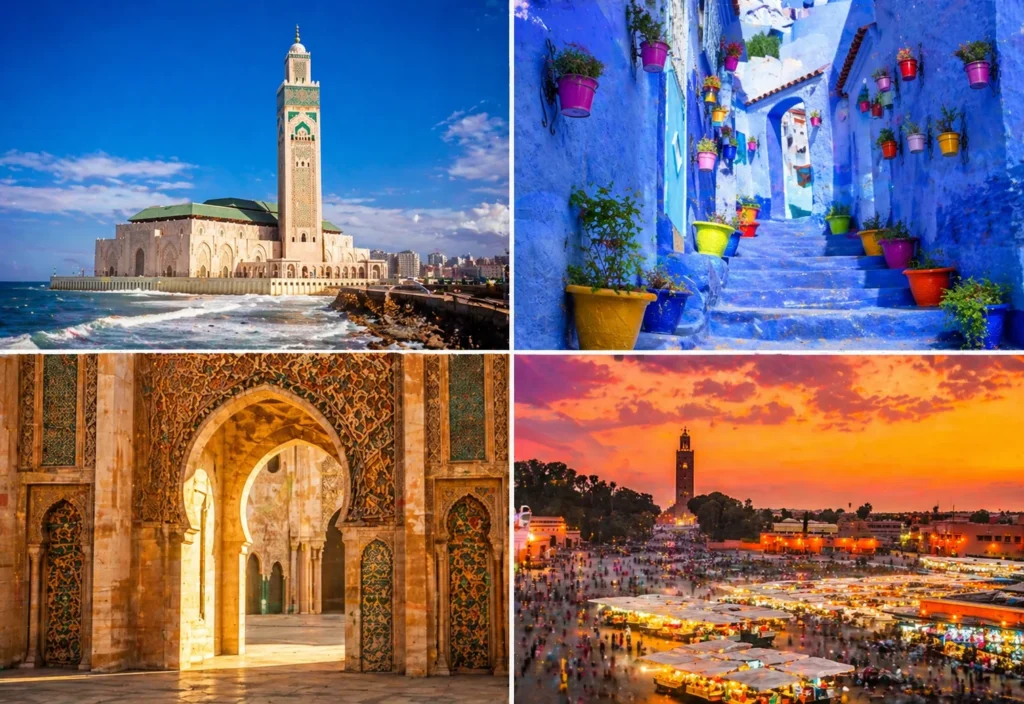
One of the most notable developments is the opening of the Waldorf Astoria Rabat Salé, the first property from Hilton’s luxury brand in Morocco. Located in the Mohammed VI Tower, the hotel adds a new premium accommodation option in the capital region.
Luxury hotels play an important role in tourism because they attract high-spending travelers, diplomatic visitors, corporate guests, and premium leisure markets. They also raise international visibility for destinations competing in the upscale travel segment.
Rabat has been gaining attention as a cultural and administrative destination with heritage sites, modern urban development, museums, and coastal charm. The arrival of a flagship luxury brand can strengthen its position as more than just a government centre.
Casablanca Set for New Urban Hospitality Growth
Hilton also confirmed a new project in Casablanca, expected to open in 2028. Located in the Gauthier district, the hotel will add 90 rooms in one of the city’s prominent urban neighbourhoods.
Casablanca is Morocco’s commercial capital and a major gateway for business travel. It is also increasingly appealing to leisure visitors interested in architecture, dining, shopping, and city experiences.
Strong hotel growth in Casablanca matters for tourism because modern travelers often combine business and leisure, extending work trips into city breaks or adding nearby cultural experiences. New branded hotels can help meet demand for quality stays, meetings, and international service standards.
As air connectivity grows and business events expand, Casablanca remains central to Morocco’s tourism future.
Chefchaouen Gains International Hospitality Attention
The blue-painted mountain city of Chefchaouen is also included in Hilton’s pipeline, with a 100-room property expected in 2028. Known for its photogenic streets, artistic atmosphere, and scenic Rif Mountain setting, Chefchaouen has become one of Morocco’s most recognizable leisure destinations.
The addition of a global hotel brand reflects the city’s rising international appeal. Travelers increasingly seek smaller destinations that offer authentic character, walkable experiences, and strong visual identity.
Hotel investment in places like Chefchaouen helps spread tourism beyond traditional gateway cities. This can reduce pressure on major hubs while creating opportunities for local communities, guides, restaurants, artisans, and transport providers.
Wellness Growth in Marrakech
In Marrakech, Hilton signed a new agreement for the Eden Palm Marrakech project, scheduled to open in 2029. Located in the upscale La Palmeraie district, the property will feature 62 rooms and wellness-focused amenities.
Wellness tourism is one of the fastest-growing segments of global travel, driven by demand for relaxation, spa experiences, healthy living, and restorative escapes. Marrakech is already a strong performer in luxury and lifestyle tourism, making it a natural fit for this trend.
The city remains one of Morocco’s most visited destinations thanks to its historic medina, markets, gardens, cuisine, riads, and vibrant atmosphere. Additional upscale wellness accommodation can help attract new traveler segments seeking slower, experience-led stays.
Emerging Coastal Destinations in Focus
Hilton is also expanding into Nador and Tetouan, marking its entry into fast-growing coastal markets. This is a significant tourism signal because coastal destinations often benefit from rising demand for beach holidays, summer travel, and regional leisure breaks.
Nador offers Mediterranean access and growing transport links, while Tetouan combines heritage charm with proximity to seaside resorts and northern tourism circuits.
By investing in emerging destinations, hotel groups help diversify national tourism flows. Visitors gain more reasons to explore beyond famous cities, and regional economies benefit from accommodation demand, local employment, and visitor spending.
Why Hotel Expansion Matters for Tourism
New hotel development creates far-reaching tourism benefits. More rooms can support increased visitor arrivals, larger events, stronger airline partnerships, and year-round destination promotion.
International hotel brands also bring reservation systems, loyalty programs, training standards, and global marketing reach that can introduce destinations to new audiences.
For travelers, greater hotel choice means more options across luxury, lifestyle, family, wellness, and city-break categories. For Morocco, it strengthens competitiveness in a crowded global tourism market.
Outlook for Morocco Tourism
Hilton’s decision to add 15 new hotels shows that Morocco is entering an exciting new phase of tourism expansion. From Rabat’s luxury skyline to Chefchaouen’s mountain charm, Marrakech’s wellness appeal, Casablanca’s urban energy, and the promise of coastal destinations like Nador and Tetouan, the country is broadening its travel offer.
As accommodation capacity grows and international confidence rises, Morocco is well positioned to attract even more global visitors in the years ahead. The expansion of Hilton Morocco Hotels is not just a hospitality story—it is a strong signal of the kingdom’s growing tourism power.