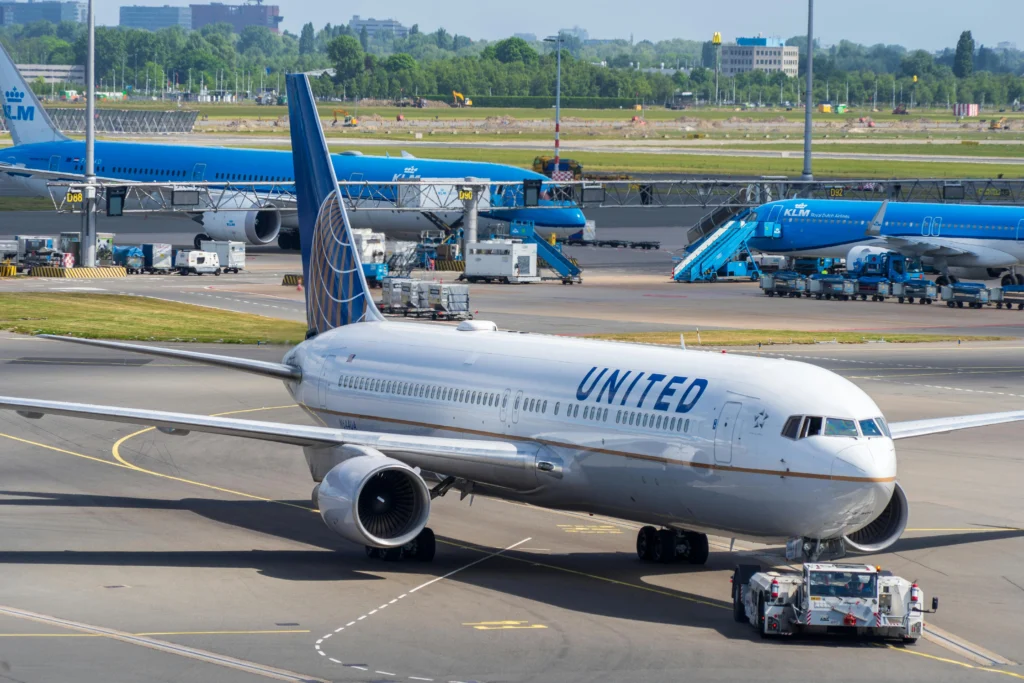
United Airlines has brought fresh attention to the future of American tourism and aviation after Chief Executive Scott Kirby issued a detailed statement regarding speculation about a possible merger with American Airlines. While no deal will move forward, the comments have reignited discussion about airline growth, competition, and how large carriers shape travel across the United States and beyond.
The statement outlined Kirby’s belief that a combined airline could have delivered stronger customer benefits, wider route networks, and greater economic impact. American Airlines had already confirmed it was not interested in pursuing merger discussions, effectively ending the idea for now.
For the tourism industry, the episode is significant because major airlines are more than transport providers. They are critical engines of visitor movement, destination access, business travel, and regional economic activity.
Why This Matters to Tourism
Airlines determine how easily travelers can reach destinations, how often flights operate, and what prices passengers pay. In a country as large as the United States, air travel is essential for linking coast-to-coast cities, national parks, beach resorts, conference centres, cruise ports, and rural communities.
When two of the largest airlines are mentioned in the same merger conversation, tourism stakeholders naturally pay attention. Such a combination could have changed route networks, airport competition, loyalty programs, and passenger choices.
Even though the proposal has ended, the public debate highlights how closely tourism growth depends on airline strategy.
A Growth-Focused Vision
Kirby described the concept as different from historic airline mergers that often focused on cutting costs or consolidating struggling businesses. Instead, he presented the idea as a growth strategy centered on better customer experiences and expanded opportunities.
That message is especially relevant for tourism. Growth-led aviation strategies often mean new routes, improved aircraft cabins, stronger technology, and better airport connectivity. These factors can directly influence destination popularity and visitor spending.
Travelers today increasingly choose airlines based on reliability, digital convenience, comfort, and loyalty rewards. Carriers that invest in these areas can stimulate demand and encourage repeat travel.
More Flights, More Destinations
One of the most important themes in the statement was network expansion. Larger airline systems can create more one-stop connections, improved schedules, and increased service to smaller communities.
For tourism destinations, connectivity is everything. A city with stronger air links becomes easier to sell to international visitors, event organizers, tour operators, and domestic holidaymakers.
Expanded service to smaller communities could be especially valuable. Secondary cities often rely on improved airline access to grow weekend tourism, outdoor travel, heritage visits, and business events.
If travelers can reach destinations faster and with fewer connections, demand often rises.
Affordability and Value for Travelers
The statement also emphasized affordability and customer value. This reflects an important shift in modern tourism: travelers compare total experience rather than ticket price alone.
Passengers now consider seat comfort, onboard entertainment, Wi-Fi access, baggage options, airport experience, and loyalty benefits when booking flights. Airlines that deliver higher value can attract both leisure and premium travelers.
For tourism, better value supports stronger demand. Travelers who feel they are getting a quality journey may be more willing to book additional trips, longer holidays, or higher-spending experiences at their destination.
Even without a merger, the focus on value suggests continued competition among airlines to improve products and services.
Impact on Local Tourism Economies
Air travel supports much more than airports. Every arriving visitor can generate spending across hotels, restaurants, attractions, transport providers, retailers, and entertainment venues.
Kirby’s statement referenced the wider economic benefits that expanded airline operations could create. While the specific claims remain hypothetical, the broader principle is widely understood: strong aviation networks drive tourism growth and job creation.
Destinations with frequent flights tend to attract conferences, sporting events, festivals, and international visitors more easily than places with limited access. Increased seat capacity can help local economies grow during both peak and shoulder travel seasons.
Global Competition and Inbound Tourism
The statement also pointed to competition with international airlines. Long-haul carriers from around the world compete for travelers flying to and from the United States.
For inbound tourism, global competitiveness matters. International visitors often choose airlines based on convenience, connections, price, and brand reputation. US carriers that expand international offerings can help capture more visitor traffic and strengthen America’s share of global travel demand.
Stronger long-haul connectivity also benefits outbound US travelers by providing more destination choices and easier journeys abroad.
Although the merger will not proceed, competition on global routes is expected to remain intense, which can benefit travelers through innovation and better service.
Regulatory Oversight Still Central
Any merger involving two aviation giants would have faced major regulatory review under competition laws. Authorities typically examine whether such deals would reduce consumer choice, increase fares, or limit market access.
This balance between growth and competition is central to tourism policy as well. Travelers benefit when airlines expand, but they also benefit when multiple carriers compete for their business.
The public exchange between United and American demonstrates how powerful these policy questions remain in modern aviation.
What Travelers Can Expect Next
With merger talks no longer active, attention now returns to how each airline grows independently. That could mean new domestic routes, expanded international services, upgraded aircraft, enhanced digital tools, and stronger loyalty programs.
For passengers, separate competition between major airlines may create ongoing benefits as each carrier seeks to win market share through better experiences and improved value.
Tourism boards, airports, and destinations will continue watching airline strategies closely because route decisions often shape visitor trends for years.
Outlook for US Tourism Aviation
The United Airlines merger discussion may be over for now, but it has highlighted a lasting truth: aviation strategy plays a major role in tourism success.
Whether through mergers, partnerships, or independent expansion, airlines remain central to how travelers explore the United States and the world. As United and American pursue their own future plans, tourism is likely to benefit from continued investment, stronger competition, and the race to attract tomorrow’s traveler.