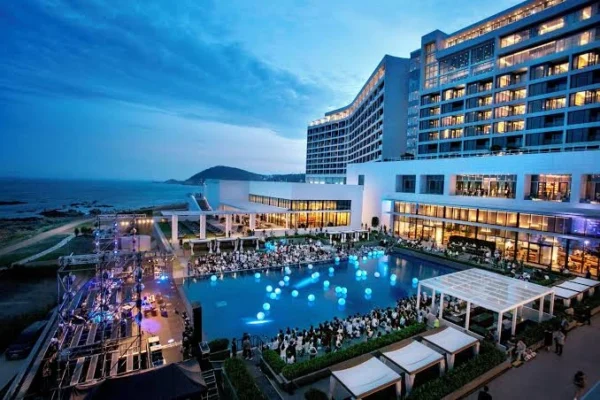
Hilton will expand its presence in South Korea with the planned opening of Hilton Garden Inn Busan Gijang in 2028, adding a new internationally branded hotel to one of Busan’s emerging tourism, wellness and medical travel districts.
The hotel will be developed under a franchise agreement between Hilton and MS&C Co., Ltd. and will form part of a larger mixed-use project combining hospitality, wellness and residential components.
With 111 guest rooms, dining facilities, a swimming pool, fitness centre, spa and sauna, the property is being designed to serve leisure visitors, business travellers and guests arriving in the region for healthcare and longer-stay experiences.
The signing strengthens Hilton’s development pipeline in South Korea while supporting Gijang’s transformation into a broader visitor destination beyond central Busan.
Mixed-Use Project Creates an Integrated Visitor Experience
Hilton Garden Inn Busan Gijang will be positioned within a mixed-use development intended to make better use of the district’s natural surroundings and regional infrastructure.
Rather than operating as a standalone hotel, the property will sit alongside residential and wellness elements. This integrated model is expected to create a more complete destination where guests can combine accommodation with leisure, relaxation and lifestyle services.
The hotel will feature an all-day dining restaurant, café and lounge, giving guests access to multiple food and beverage options throughout their stay. Wellness facilities will include a modern fitness centre, swimming pool, spa and sauna.
These amenities respond to growing demand from travellers who expect hotels to provide more than basic accommodation. Leisure guests increasingly look for properties where dining, wellness and recreation are available within the same development, while business travellers value convenience and reliable services.
Location Connects Guests With Major Busan Attractions
The hotel’s location in Gijang will place visitors within convenient reach of several major attractions and leisure destinations.
Nearby sites include Haedong Yonggungsa Temple, one of Busan’s best-known coastal temples, and Lotte World Adventure Busan, a major family entertainment destination. Shinsegae Busan Premium Outlets and established golf courses are also accessible from the development.
This combination gives the hotel the potential to attract families, cultural travellers, shopping visitors and golf tourists. It may also encourage guests to stay outside Busan’s traditional central hotel districts while still maintaining access to prominent attractions.
Gijang’s scenic coastline adds another layer to the visitor experience. The district has become increasingly associated with leisure, wellness and lifestyle travel, making it suitable for travellers seeking a quieter base close to the city.
Medical Tourism Supports Diversified Hotel Demand
The development also reflects Busan’s growing medical tourism ambitions.
The city is targeting 100,000 foreign medical visitors by 2030, creating demand for high-quality accommodation near healthcare facilities and supporting infrastructure. Hilton expects the new hotel to benefit from this expanding sector alongside conventional leisure demand.
Medical travellers often require comfortable stays, dependable dining, wellness amenities and accommodation suitable for accompanying family members. The hotel’s mixed-use setting and planned facilities could help meet those needs.
This diversified demand base may strengthen the property’s performance by reducing reliance on a single visitor segment. Leisure tourism, wellness stays, medical travel and business activity could all contribute to occupancy across different periods of the year.
Hilton Strengthens Its South Korea Growth Strategy
The signing underlines South Korea’s importance within Hilton’s Asia-Pacific expansion strategy.
Hilton Garden Inn is positioned as an upscale brand offering practical comfort, quality accommodation and reliable food and beverage services. Its focus on elevated essentials allows the brand to serve travellers who want consistency without the full-service structure of a traditional luxury hotel.
For Gijang, the arrival of an international hospitality brand may increase visibility among global travellers and travel planners. It can also strengthen confidence in the district as a destination capable of serving both domestic and overseas guests.
The project joins Hilton’s existing operational and pipeline portfolio in South Korea, demonstrating continued interest in destinations beyond the country’s most established urban hotel markets.
Busan Hospitality Moves Beyond City-Centre Development
The planned opening reflects a wider shift in hotel investment across Asia, where developers are increasingly looking beyond saturated city centres.
Emerging districts such as Gijang offer access to natural attractions, available development space and growing leisure infrastructure. They also allow hotels to participate in larger projects that combine accommodation with residential, retail and wellness uses.
This approach can create additional revenue streams and make developments more resilient to changing travel patterns. It also supports regional tourism by directing visitors and investment into areas outside established commercial hubs.
For Busan, stronger hospitality infrastructure in Gijang could encourage longer stays and wider exploration across the metropolitan area. Visitors may combine coastal attractions, entertainment venues, shopping and wellness experiences in a single itinerary.
New Hotel Set to Support Regional Tourism Growth
Hilton Garden Inn Busan Gijang is scheduled to open in 2028, with booking information and Hilton Honors participation expected to be announced closer to launch.
Once operational, the hotel will add internationally recognised accommodation to a district gaining prominence for tourism, healthcare and lifestyle travel.
By combining 111 rooms with dining, wellness and leisure facilities inside a mixed-use destination, the project is positioned to support Busan’s evolving visitor economy and strengthen Gijang’s appeal in the competitive South Korea hospitality market.
For more travel news like this, keep reading Global Travel Wire