The global tourism industry is increasingly turning to high-performance leadership models inspired by elite sport. As destinations compete for visitors and hotels strive to elevate guest experiences, one lesson stands out clearly: success is never built by buildings alone. Whether in a stadium or a luxury resort, performance depends on people, culture, and teamwork.
This leadership perspective is gaining renewed relevance in 2026 as the world anticipates major sporting moments including the FIFA World Cup 2026, top tennis championships, international golf tournaments, and iconic cycling events. These global competitions offer more than entertainment. They provide real-world examples of discipline, resilience, collaboration, and purpose—qualities now seen as essential in modern hospitality management.
For tourism businesses, the connection between sport and hospitality is becoming increasingly valuable as operators seek new ways to motivate teams, improve service standards, and deliver sustainable growth.
Why Team Culture Matters More Than Hotel Buildings
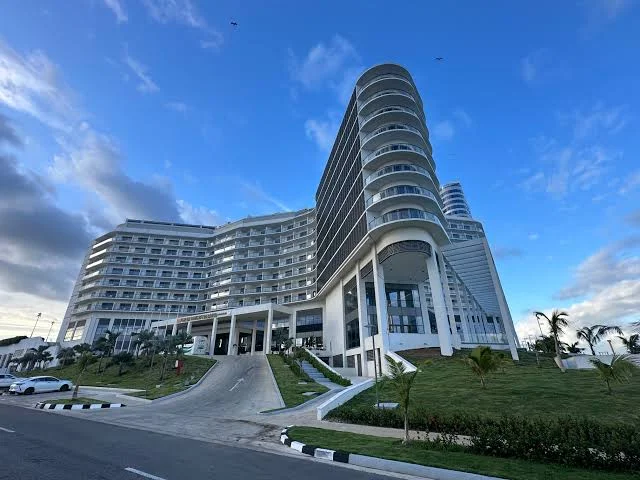
Across tourism markets, investment in new hotels, resorts, airports, and visitor attractions continues to rise. Yet industry leaders increasingly agree that infrastructure alone does not guarantee success. A beautifully designed hotel may attract attention, but it is the people delivering the guest experience who determine whether travelers return.
In hospitality, this principle is often described as the balance between physical assets and human service. The property itself may be impressive, but genuine service, emotional connection, and personalized care are what shape guest satisfaction.
The same truth applies in sport. A world-class stadium does not win matches. Teams do.
For hotels, this means stronger investment in staff training, leadership development, workplace culture, and employee wellbeing. Tourism organizations that empower their people are often better positioned to achieve long-term performance.
Consistency Is the Secret to Tourism Excellence
One of the strongest lessons hospitality can learn from athletes is the power of consistency. Elite competitors do not rely on one great performance. They train daily, refine routines, and focus on continuous improvement.
Tourism businesses operate under the same principle. Travelers expect reliable standards every day, not occasional moments of excellence. A guest checking into a hotel expects the same warm welcome, clean room, quality dining, and efficient service regardless of season or occupancy levels.
Consistency builds trust, and trust is one of the most valuable assets in travel.
Hotels known for dependable service often enjoy stronger reputations, better reviews, and higher repeat bookings. This is why leading hospitality brands place emphasis on daily briefings, quality checks, mentoring, and clear communication across departments.
In an increasingly competitive tourism market, sustained excellence often outperforms occasional brilliance.
Resilience Is Essential in a Fast-Changing Travel Market
Athletes regularly face setbacks such as injuries, defeats, and intense pressure. Their ability to recover and improve is what separates champions from competitors.
The tourism industry has faced similar tests in recent years. Global uncertainty, shifting traveler preferences, staffing shortages, and economic pressures have challenged operators worldwide. Hotels, airlines, and destinations that adapted quickly have emerged stronger.
Resilience in hospitality means remaining focused during difficult periods, supporting teams through change, and continuing to innovate when conditions are uncertain.
It also means learning from setbacks rather than being defined by them.
For tourism leaders, resilience is now considered a core business skill. Organizations that can respond to disruption while maintaining service quality are more likely to succeed in the years ahead.
Great Guest Experiences Are Always a Team Effort
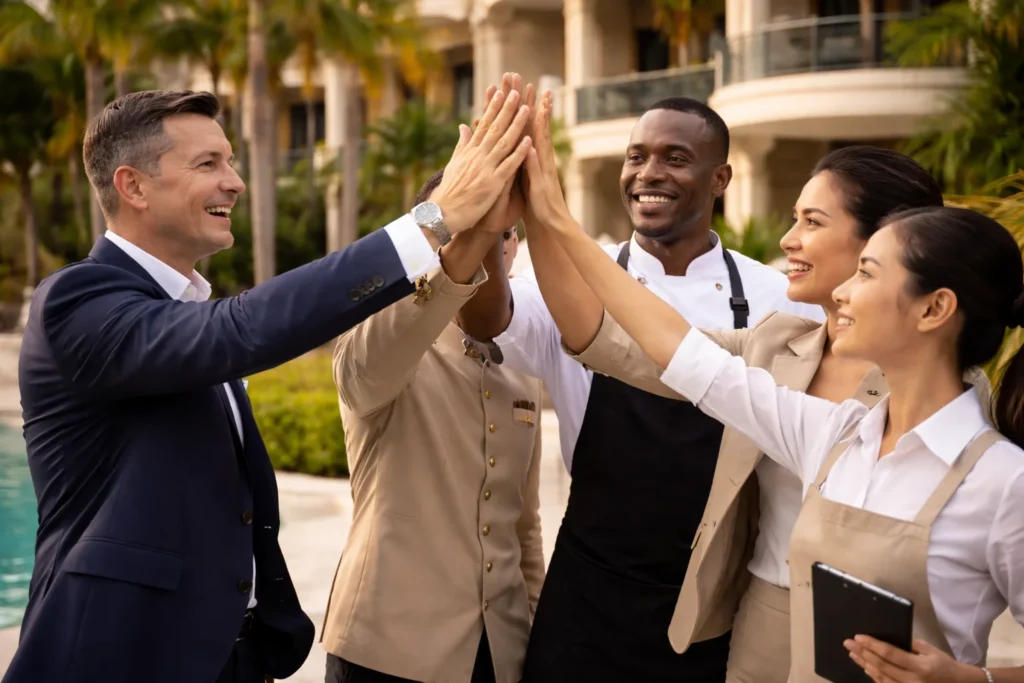
No hotel succeeds because of one executive, just as no sports team wins because of one player. Exceptional guest experiences are created through coordinated teamwork across multiple roles.
Front office teams welcome visitors. Housekeeping ensures comfort and cleanliness. Culinary teams shape memorable dining moments. Engineering teams keep operations running smoothly. Managers provide direction and support. Every role matters.
This mirrors successful sports teams, where talent must be aligned through communication and trust.
Hospitality businesses that encourage collaboration across departments often create smoother guest journeys and stronger internal morale. When teams share information openly and solve problems together, service becomes faster, more personal, and more consistent.
As tourism becomes more experience-driven, teamwork is becoming one of the most important competitive advantages.
Attitude Now Matters More Than Resume Alone
Another lesson from sport is that natural talent does not always guarantee success. Many champions rise through determination, discipline, and hunger to improve.
The same shift is visible in tourism recruitment. Employers increasingly value attitude, curiosity, adaptability, and emotional intelligence alongside technical experience.
A strong resume may open the door, but passion for service often determines long-term success in hospitality.
This is especially relevant as hotels compete for talent in a changing labor market. Companies that hire for mindset and then invest in training can build more engaged teams with stronger guest connection skills.
For younger professionals entering tourism careers, this trend creates new opportunity. Performance and commitment can matter just as much as previous titles or traditional career paths.
Energy Management Is the New Leadership Advantage
Top athletes understand that recovery is part of performance. Rest, physical wellbeing, and mental focus are essential for sustaining results over time.
Hospitality leaders are now applying similar thinking. Long working hours and constant pressure can reduce creativity, morale, and service quality if not managed carefully.
Forward-looking tourism companies are placing greater emphasis on healthy work cultures, employee recognition, wellbeing programs, and smarter scheduling. These initiatives help teams stay energized and motivated.
Sustainable performance requires sustainable energy.
For an industry built on human interaction, protecting team wellbeing is no longer optional. It is a business priority.
The Right Environment Helps Talent Thrive
In sport, even highly skilled players may struggle in the wrong system or team culture. In tourism, the same applies to employees.
Sometimes performance challenges are not caused by lack of ability, but by poor leadership, weak communication, or limited opportunity.
The hospitality sector has long been recognized as one of the world’s most open industries, offering career mobility across countries, age groups, and backgrounds. This flexibility remains one of tourism’s greatest strengths.
When people find the right environment, they often grow quickly and deliver exceptional results.
Purpose Is the Future of Hospitality Leadership
Athletes dedicate themselves to a clear goal. That sense of purpose fuels sacrifice, focus, and commitment.
Tourism teams also perform best when they understand why their work matters. Hospitality is not just about rooms or reservations. It is about creating memories, welcoming cultures, supporting local economies, and connecting people through travel.
Leaders who build purpose-driven workplaces often inspire stronger loyalty, better service, and higher performance.
As the tourism industry moves deeper into 2026, the message is clear: hotels do not win through architecture alone. They win through people, teamwork, resilience, and shared purpose.