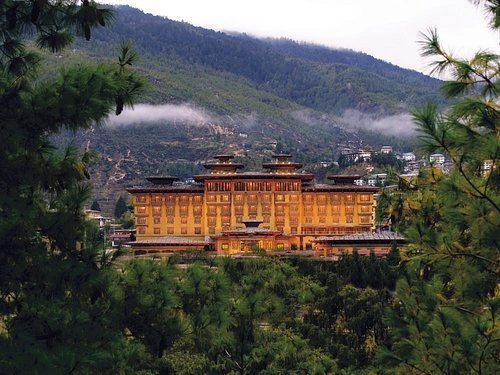
Pemako Thimphu is undergoing a major renovation designed to strengthen its position within Bhutan’s luxury hospitality market while preserving the architectural and cultural identity of the Himalayan kingdom.
Located in the heart of Bhutan’s capital, the hotel is reimagining guest rooms and public spaces through a design approach that combines contemporary comfort with traditional Bhutanese craftsmanship. Its fortress-like exterior, inspired by the country’s historic Dzong architecture, remains central to the property’s identity.
The project arrives as Bhutan continues to develop tourism according to its long-established high-value, low-volume strategy. That national approach prioritizes quality visitor experiences, environmental protection, cultural preservation and tourism benefits that support the country’s long-term development.
For international travelers, the renovation is expected to offer a more refined urban base for exploring Thimphu while maintaining the strong sense of place that distinguishes Bhutan from other luxury destinations.
Heritage Architecture Guides the Renovation
Pemako Thimphu’s design draws heavily from Bhutan’s Dzongs, the monumental fortress-monasteries that have historically served religious, administrative and civic functions.
Rather than replacing this architectural character, the renovation aims to reinterpret it through lighter materials, improved finishes and updated interior layouts. Traditional textile patterns, carved woodwork, locally influenced artwork and carefully selected decorative details are expected to remain important elements throughout the property.
This balance between conservation and modernization reflects Bhutan’s wider development philosophy. New hospitality infrastructure is encouraged to respect the country’s visual identity and cultural values instead of introducing designs disconnected from the surrounding destination.
For guests, the result is intended to provide international luxury standards without weakening the sense of arrival in Bhutan.
Thimphu Gains a Stronger Luxury Hotel Offering
As Bhutan’s administrative and cultural capital, Thimphu plays a central role in most international itineraries. Many visitors travel from Paro International Airport to the city before continuing toward Punakha, Paro Valley or other regions.
An upgraded Pemako Thimphu could strengthen the capital’s appeal for luxury travelers, cultural tourists, wellness visitors and high-value tour groups seeking premium accommodation close to major attractions.
The city’s key visitor sites include Tashichho Dzong, the Memorial Chorten, Buddha Dordenma and local markets selling handicrafts, textiles and produce. Its setting along the Wang Chhu River and its combination of government institutions, monasteries and modern businesses make Thimphu one of Asia’s most distinctive capitals.
The hotel’s central location also gives guests convenient access to shops, cultural venues and urban experiences that are often more difficult to reach from hilltop resorts outside the city.
Bhutanese Craftsmanship Shapes the Guest Experience
The renovation places cultural expression at the centre of the hospitality experience.
Furniture, fabrics, artwork and wood detailing can help visitors understand Bhutanese design traditions before they begin exploring the capital. These elements also create opportunities for local artisans and suppliers to participate in the luxury tourism economy.
Dining spaces and common areas may further support cultural engagement by incorporating Bhutanese ingredients, rituals and visual references. When thoughtfully delivered, such experiences allow hotels to become introductions to the destination rather than isolated international-style properties.
This approach is increasingly important as luxury travelers seek authenticity alongside comfort. Guests are often looking for accommodation that explains where they are, connects them with local culture and provides experiences unavailable in other markets.
Wellness Supports Bhutan’s Tourism Identity
Bhutan has become closely associated with mindfulness, spiritual travel and nature-based wellness.
Hospitality experiences across the country often include meditation, traditional hot stone baths, spa therapies and guided activities in forests, valleys and monastery settings. Pemako Thimphu’s wellness facilities can support this demand by offering restorative experiences within the capital.
The connection is especially relevant to Bhutan’s national development philosophy, which places well-being alongside economic progress. For travelers, this creates a destination identity based on reflection, cultural respect and a slower pace of exploration.
Wellness also gives hotels opportunities to extend guest stays and increase spending across spas, dining, cultural programming and guided experiences.
Pemako Links Thimphu With Punakha
Pemako’s Bhutan portfolio extends beyond the capital through Pemako Punakha, a luxury tented retreat positioned within the Punakha Valley.
Together, the two properties create a complementary hospitality circuit. Thimphu offers access to the country’s political, cultural and urban life, while Punakha provides a more nature-focused experience shaped by rivers, forests and Himalayan landscapes.
Punakha is also home to Punakha Dzong, one of Bhutan’s most significant architectural landmarks and a major attraction for cultural travelers.
This combined city-and-valley offering can encourage longer itineraries, supporting guides, transport providers, local attractions and hospitality employment across multiple destinations.
Sustainable Tourism Shapes Future Growth
Bhutan’s tourism model remains central to the significance of the Pemako Thimphu renovation.
The country’s Sustainable Development Fee contributes to programmes connected with cultural protection, environmental conservation, infrastructure and national resilience. Tourism development is therefore closely linked to preserving the qualities that attract visitors in the first place.
Pemako Thimphu’s transformation reflects that balance. The hotel is modernizing its luxury offering while retaining Bhutanese architectural language, craftsmanship and cultural character.
As the renovation progresses, the property is positioned to support Thimphu’s evolution as a premium Himalayan destination where luxury hospitality, wellness and cultural preservation operate together rather than in competition.
For more travel news like this, keep reading Global Travel Wire