Orient Express La Minerva is strengthening Rome’s appeal as a luxury travel destination by bringing a restored 17th-century palace, refined hospitality and panoramic rooftop experiences to the heart of the Italian capital.
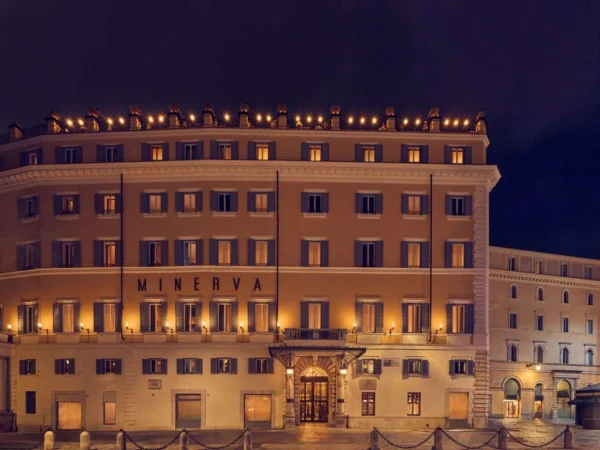
Located at Piazza della Minerva 69, steps from the Pantheon, the hotel places international visitors within walking distance of Rome’s cultural landmarks, historic streets, restaurants and shopping districts. Travelers can also use the central location as a convenient base for exploring Vatican City and its globally recognized religious and architectural attractions.
The property opened as the first Orient Express hotel in the world, marking a significant expansion for a brand historically associated with elegant rail journeys and the golden age of European travel. Its arrival adds a new layer of prestige to Rome’s accommodation sector at a time when travelers are increasingly seeking distinctive hotels with a strong sense of place.
A 17th-Century Palace Begins a New Chapter
Orient Express La Minerva occupies a palace formerly known as Palazzo Fonseca. The building dates to the 17th century and has long been connected with Rome’s hospitality history.
The restored property combines historic architecture with contemporary comforts. Roman columns, sculptures and carefully preserved details create a distinctive atmosphere, while modern design elements ensure that the guest experience meets the expectations of luxury travelers.
Artist and architect Hugo Toro led the redesign, drawing inspiration from Rome’s colors, textures and architectural heritage. The interiors balance Art Deco references with local craftsmanship and a refined Italian character.
The result is a hotel that does not separate visitors from the destination. Instead, the property brings the visual language of Rome indoors, allowing guests to experience the city’s artistic identity from the moment they arrive.
Rooms and Suites Reflect Individual Character
The hotel houses 93 rooms and 36 suites, with each space designed to offer an individual sense of scale, layout and atmosphere.
Suites provide elevated experiences for travelers seeking longer stays, special occasions or additional space during a city break. Selected accommodations offer views toward the Pantheon and Piazza della Minerva, placing one of Rome’s most celebrated architectural landmarks directly within the guest experience.
The design supports a growing luxury tourism trend: travelers increasingly want accommodation that feels connected to the destination rather than standardized across international markets.
For visitors planning a Grand Tour-style journey through Italy, Orient Express La Minerva offers a strong starting point or final stop, particularly when combined with luxury rail experiences, cultural itineraries and extended stays in other Italian cities.
Rooftop Dining Elevates the Rome Experience
One of the hotel’s defining features is its rooftop restaurant and bar, positioned seven stories above Piazza della Minerva.
The elevated setting offers panoramic views across the Eternal City, allowing guests to experience Rome’s skyline while dining or enjoying an evening drink. Terracotta rooftops, domes and historic buildings create a visual backdrop that reflects the city’s enduring appeal.
The rooftop venue adds value for travelers who want memorable experiences without leaving their hotel. It also supports a wider shift in luxury hospitality, where accommodation is expected to provide destination-led dining, social spaces and atmosphere alongside premium guest rooms.
At ground level, La Minerva Bar sits beneath a striking glass roof in the hotel lobby. Original marble columns and a preserved statue of Minerva contribute to a calm setting for coffee, lunch or an evening pause after sightseeing.
Central Location Supports Short and Extended Stays
Location remains one of the hotel’s greatest advantages.
The Pantheon is only steps away, while Piazza Navona, the Trevi Fountain area and Rome’s historic dining districts are accessible on foot. This allows travelers to maximize sightseeing time while reducing dependence on taxis or lengthy transfers.
The surrounding neighborhood is particularly attractive in the early morning and evening, when visitors can explore quieter streets, traditional cafés and small restaurants beyond the busiest hours.
Vatican City can also be incorporated into an extended Rome itinerary, giving travelers access to St. Peter’s Basilica, museums and religious heritage experiences while remaining based in the historic center.
Luxury Tourism Gains a Heritage-Focused Address
Orient Express La Minerva demonstrates how historic buildings can be adapted for modern tourism while retaining architectural identity.
For Rome, the hotel strengthens a luxury hospitality sector supported by cultural travel, gastronomy, shopping and major landmarks. For guests, it offers more than accommodation: it creates a direct connection with the city’s history.
By combining a palace setting, individually designed rooms, rooftop dining and proximity to the Pantheon, Orient Express La Minerva gives global visitors a refined new way to experience Rome and nearby Vatican City.
For more travel news like this, keep reading Global Travel Wire