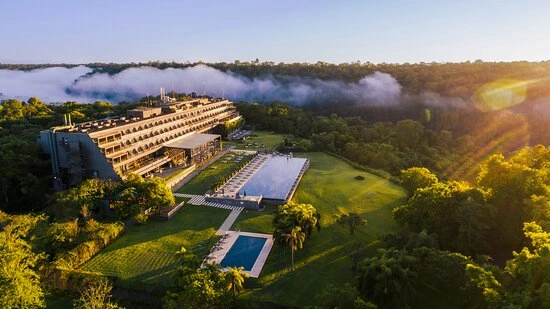
South America emerged as one of the world’s strongest-performing tourism regions in 2025, with international arrivals rising sharply and record visitor numbers transforming hotels, airlines, destinations and local economies across the continent.
The region recorded approximately 7% growth in international tourist arrivals during the year, outperforming the wider Americas and confirming that demand for South American travel had moved beyond recovery into a new phase of expansion. Brazil delivered one of the most significant results, welcoming about 9.3 million international tourists and recording growth of roughly 37% compared with 2024.
The surge strengthened demand for accommodation, transport, restaurants, attractions and tourism services while encouraging further investment in hotel development and destination infrastructure. It also reinforced South America’s growing appeal among travellers seeking nature, culture, adventure, gastronomy and premium experiences.
Brazil Delivers Historic Visitor Growth
Brazil became the central force behind the region’s tourism performance by achieving its highest annual international visitor total on record. The country’s 9.3 million arrivals marked a major increase from the 6.6 million visitors received during 2024.
International tourism receipts also reached historic levels, with foreign visitors spending almost US$7.9 billion. This combination of rising arrivals and higher expenditure created benefits across hotels, airlines, tour companies, restaurants, retailers and local transport providers.
Brazil’s broad tourism offering helped sustain demand. Visitors were drawn to Rio de Janeiro, São Paulo, the Amazon, major coastal destinations, cultural festivals and the country’s extensive nature-based tourism network.
Improved air access and coordinated international promotion also supported growth. Nearly 65% of Brazil’s international visitors came from other South American markets, demonstrating the importance of regional mobility alongside long-haul demand.
Chile Maintains Strong Tourism Momentum
Chile continued to strengthen its position as a major South American destination after receiving more than five million international tourists during 2024 and carrying that momentum into 2025.
The country’s varied geography gives it strong appeal across several tourism segments. Santiago attracts business and urban visitors, while Patagonia, the Atacama Desert, wine regions, ski resorts and Pacific destinations support leisure demand throughout different seasons.
Rising arrivals have created opportunities for hotels beyond the capital, particularly in nature-driven and remote destinations. Adventure travellers and environmentally conscious visitors are increasingly looking for high-quality accommodation near protected landscapes and outdoor attractions.
This trend has encouraged both international brands and independent hospitality operators to explore new properties, upgrades and sustainable tourism concepts.
Paraguay Emerges as a Regional Success Story
Paraguay became one of the continent’s most notable growth markets during 2025. International tourist arrivals rose by 53% during the first quarter, placing the country among the fastest-growing destinations worldwide at that stage of the year.
By the end of 2025, Paraguay had recorded more than 3.6 million visitors and reported a major increase in international tourist arrivals compared with the previous year.
The performance demonstrated how emerging destinations can benefit from stronger regional travel, major events, cultural tourism and improved promotion. Paraguay’s growth also reflected the importance of road and air connectivity with neighbouring countries.
Hotels, restaurants and tourism providers gained from increasing demand in Asunción and destinations linked to nature, heritage and cross-border travel.
Hotels Benefit from Higher Demand and Rates
The visitor boom created favourable operating conditions for South America’s hospitality industry. Greater demand helped hotels increase occupancy, average daily rates and revenue per available room across several markets.
Urban properties benefited from business travel, conferences, cultural events and international leisure demand. Resorts and boutique hotels gained from visitors seeking beaches, wine tourism, wellness stays and nature-based experiences.
Higher revenue gave operators more capacity to renovate rooms, improve technology, strengthen food and beverage services and train hospitality workers. It also attracted new investment from international hotel groups seeking opportunities in expanding tourism markets.
However, local properties remained an essential part of the sector. Independent hotels continued to compete by offering personalised experiences, regional cuisine and stronger connections with local communities.
Better Air Connectivity Supports Expansion
Improved aviation access played a central role in South America’s tourism growth. Expanded regional services made it easier for travellers to combine several countries in one journey, while new and restored long-haul routes increased access from Europe and North America.
Greater connectivity reduced travel complexity and supported destinations located beyond the continent’s major capitals. It also helped distribute tourism spending to secondary cities, coastal areas and remote nature destinations.
Airlines benefited from rising passenger demand, while airports gained from additional international traffic, retail spending and ground transport activity.
Hospitality Adapts to New Traveller Demand
Hotels increasingly adapted their services to accommodate changing visitor expectations. Digital nomads, corporate groups and event organisers created demand for high-speed internet, flexible workspaces and longer stays.
The meetings and events sector also helped reduce seasonality by generating hotel demand outside traditional holiday periods. Properties capable of combining accommodation, dining, technology and meeting space became important centres for regional commerce.
At the same time, travellers placed greater emphasis on sustainability, local experiences and authentic cultural engagement. This encouraged hotels to improve sourcing, environmental practices and partnerships with nearby tourism businesses.
Tourism Growth Strengthens Regional Economies
The 2025 South America tourism boom demonstrated how international arrivals can stimulate a wide range of industries. Visitor spending moved through accommodation, aviation, restaurants, attractions, retail and local transportation while supporting employment and small businesses.
Brazil’s record results, Chile’s sustained performance and Paraguay’s rapid expansion showed that both established and emerging destinations can benefit from coordinated tourism strategies.
As connectivity improves and investment continues, South America’s hospitality sector is positioned to become an even more important economic force, supporting destination development while offering international travellers a growing range of sophisticated and authentic experiences.
For more travel news like this, keep reading Global Travel Wire