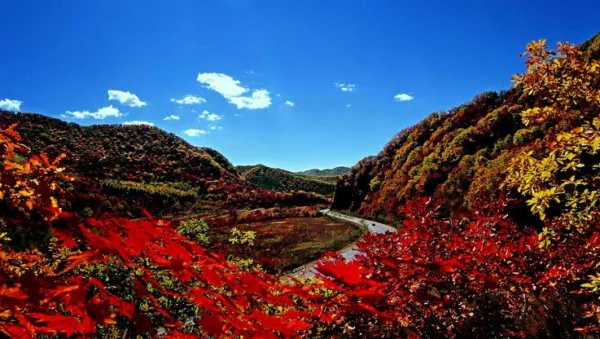
Benxi City in Northeast China’s Liaoning Province is strengthening its appeal as a nature-focused destination for travelers seeking mountains, forests, valleys and a slower alternative to China’s busiest urban tourism centers.
Located within easy reach of Shenyang and connected to China’s wider rail network, Benxi combines convenient transportation with extensive natural landscapes. Official provincial information describes the city as an important transport hub in eastern Liaoning, with nearly 100 high-speed and动车 services passing through or stopping daily.
For visitors, the destination offers a different side of Chinese tourism. Instead of concentrating on skyscrapers, crowded shopping districts and major metropolitan attractions, Benxi encourages travelers to explore forests, mountain scenery, caves, rural communities and wellness-oriented experiences.
This combination makes the region particularly appealing during warmer months when travelers look for outdoor recreation and refreshing escapes.
Mountains and forests shape the experience
Nature sits at the center of Benxi’s tourism identity.
The city is surrounded by mountainous landscapes and is widely associated with forests, rivers, caves, hot springs and seasonal scenery.
Official Liaoning information highlights Benxi’s extensive tourism resources, including Benxi Water Cave, Wunü Mountain, Guanmen Mountain, Benxi Grand Canyon, Fenglin Valley and other major scenic areas. The city has dozens of officially rated tourism attractions and several provincial-level resorts.
These attractions create opportunities for hiking, photography, sightseeing and slower nature-based journeys.
Travelers can build itineraries around mountain viewpoints, forest walks and scenic drives while combining outdoor activities with local accommodation and regional cuisine.
For families and leisure travelers, the diversity of landscapes allows trips to be adapted around different activity levels.
Huanren adds rural and mountain appeal
Huanren Manchu Autonomous County expands Benxi’s tourism potential with mountain landscapes, cultural heritage and rural experiences.
The area has long been associated with ecological and countryside tourism. Provincial development plans have also identified Huanren and nearby destinations as important areas for forest tourism, rural travel and regional cultural experiences.
For travelers seeking quieter stays, Huanren can provide a base for exploring less urbanized parts of eastern Liaoning.
Mountain retreats and valley-based accommodation can appeal to visitors interested in wellness, outdoor recreation and digital-detox holidays.
Rather than rushing between major attractions, travelers can spend more time walking, enjoying natural surroundings and experiencing smaller communities.
This style of tourism aligns with growing demand for slower and more meaningful journeys.
Rail connectivity improves accessibility
Transportation is one of Benxi’s strongest advantages.
The city sits close to Shenyang, the provincial capital, and is integrated into Liaoning’s expanding transport network.
Official provincial information places Benxi around 45 kilometers from Shenyang and around 29 kilometers from Shenyang Taoxian International Airport, strengthening access for both domestic and international travelers.
Rail connections also make the destination easier to incorporate into wider Northeast China itineraries.
Travelers arriving through Beijing or other major Chinese cities can use the national high-speed rail network to move toward Liaoning before connecting into Benxi and surrounding destinations.
Journey times vary depending on service and interchange arrangements, so travelers should check current railway schedules before departure.
Improved transport accessibility is especially important for regional tourism because it allows visitors to combine nature destinations with major cities rather than choosing between them.
Summer encourages outdoor exploration
Benxi’s forested landscapes can provide an attractive contrast to hotter and more heavily urbanized destinations during summer.
Visitors can focus on hiking, nature walks, photography and scenic sightseeing.
Mountain areas and forest environments also support wellness-oriented tourism, where travelers prioritize fresh surroundings, slower itineraries and outdoor activity.
For families, the region offers opportunities to combine educational nature experiences with recreation.
Adventure travelers can explore more demanding routes, while leisure visitors can choose easier scenic areas and resort-style stays.
The flexibility makes Benxi suitable for different travel styles.
Regional tourism supports local communities
Nature tourism can also create wider economic opportunities.
Visitors staying longer in regional destinations support hotels, guesthouses, restaurants, transport operators and small businesses.
Benxi has already developed a broad tourism base around its caves, mountains, hot springs, rural communities and seasonal landscapes.
Provincial tourism planning has emphasized forest tourism, wellness experiences, rural travel and ecological development across Liaoning, including areas around Benxi and Huanren.
Responsible tourism will remain important as visitor numbers grow.
Protecting forests, mountain ecosystems and local communities can help ensure that tourism expansion delivers long-term benefits without damaging the landscapes that attract travelers in the first place.
Beyond China’s famous city circuit
For many international visitors, China itineraries still focus heavily on Beijing, Shanghai, Xi’an and other globally recognized destinations.
Benxi offers an opportunity to move beyond that traditional circuit.
Its appeal lies in contrast: forests instead of skylines, valleys instead of shopping districts and slower mountain journeys instead of packed urban sightseeing schedules.
Travelers can also combine Benxi with wider Liaoning exploration, creating itineraries that connect cities, natural landscapes and cultural destinations across Northeast China.
This diversification could become increasingly important as travelers seek less crowded and more experience-driven holidays.
Benxi strengthens Northeast China tourism
Benxi’s combination of mountain scenery, forest landscapes, cultural heritage and improving accessibility gives it strong potential as a regional tourism destination.
Huanren and surrounding mountain areas add further opportunities for wellness, rural tourism and outdoor exploration.
For travelers seeking an alternative to China’s busiest attractions, the city offers space to slow down and experience a different side of the country.
As Northeast China continues improving transport infrastructure and developing nature-based tourism, Benxi is well positioned to attract visitors interested in scenic landscapes, longer stays and more immersive journeys.
Its greatest advantage may be simple: travelers can exchange crowded urban itineraries for mountains, forests and valleys while remaining connected to one of China’s most extensive transport networks.
For more travel news like this, keep reading Global Travel Wire