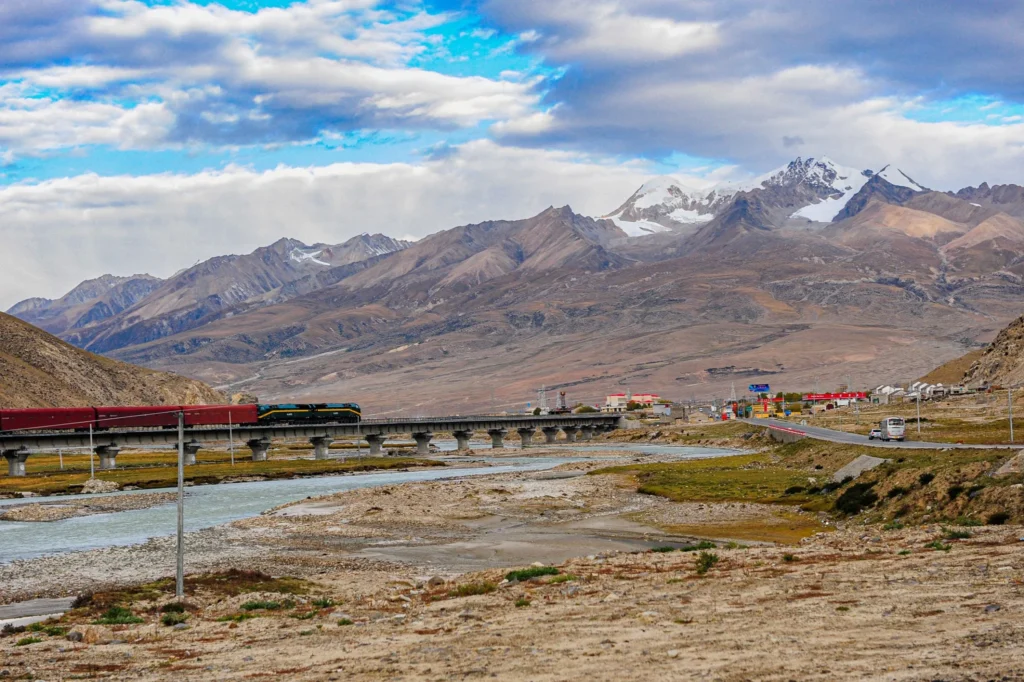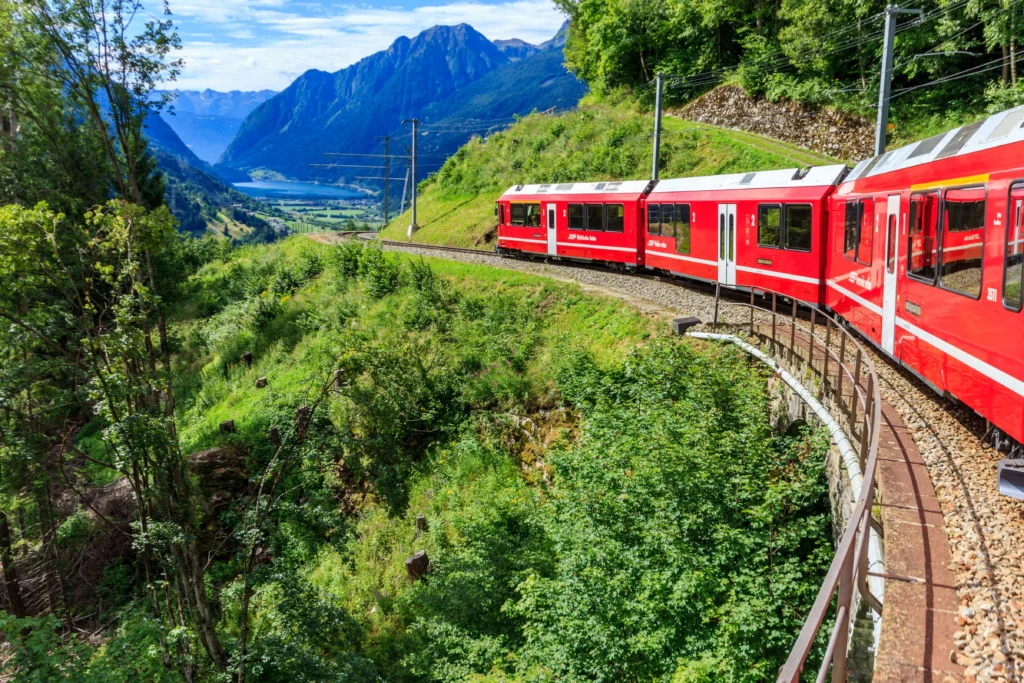
The global travel landscape is witnessing a massive shift as more travelers look for climate-friendly ways to explore the world. This desire for greener transit has caused a dramatic surge in the popularity of train travel, positioning sustainable rail tourism as the future of vacation mobility. However, the secret to a seamless cross-border journey or a perfectly timed scenic route does not just lie in the comfort of the passenger cars or the speed of the locomotives. Instead, the true engine of modern tourism growth is hidden in the digital background of infrastructure management: railway data integration.
As national tourism boards and transport ministries focus on expanding eco-friendly travel networks, integrating fragmented railway data has emerged as a critical planning priority. By bridging the gaps between asset records, geographic mapping, and scheduling logistics, rail networks can deliver the highly reliable, efficient, and interconnected travel experiences that modern tourists demand.
The Invisible Foundation of Modern Scenic Journeys
For the casual traveler, a rail vacation is about watching pristine landscapes unfold through a panoramic window. For infrastructure managers and regional tourism planners, however, that journey is the result of thousands of moving pieces working in perfect harmony. Every train journey relies heavily on complex datasets, including structural asset records, real-time site assessments, localized cost assumptions, and strict environmental reporting parameters.
Historically, these essential datasets have remained isolated within separate departments and incompatible digital spreadsheets. When railway data is disconnected, creating long-term tourism infrastructure plans becomes an uphill battle. If local track maintenance schedules do not align with seasonal tourism peaks, travelers face unexpected delays, canceled routes, and disrupted itineraries.
By prioritizing comprehensive data integration, transport authorities are creating unified ecosystems where information flows freely. This connectivity ensures that structural updates, capacity adjustments, and track enhancements are executed with minimal disruption to the passenger experience. Ultimately, a well-integrated railway data system ensures that popular holiday routes remain consistently open, safe, and dependable.
Eliminating Travel Friction and Expanding Cross-Border Networks
One of the biggest draws of rail tourism is the ability to embark on expansive, multi-city journeys across diverse regions. Yet, the friction of switching between different regional networks or facing unexpected transit delays can quickly deter tourists from choosing trains over short-haul flights. This is where the magic of a connected planning layer changes the game.
Good railway data integration goes far beyond simply storing information in a single database. It creates a dynamic environment where structural track data directly informs daily operational decisions. When a central data store actively links to a live planning layer, rail operators can monitor the health of the network in real time.
For tourists, this high-level integration translates directly to improved punctuality and better connection windows. If an infrastructure change or minor delay occurs on one line, integrated software platforms allow operators to adjust scheduling dependencies instantly. This prevents the dreaded domino effect of missed connections, allowing international vacationers to transit smoothly from bustling capital cities to remote cultural heritage sites without a hitch.
Driving Tourism Growth Through Eco-Friendly Infrastructure
The contemporary traveler is more environmentally conscious than ever before. Official tourism statistics and public policy papers continually emphasize that expanding rail networks is the single most effective way to reduce the environmental footprint of the travel sector. To make high-speed, low-emission rail travel a viable alternative to air travel, infrastructure planning must be incredibly precise.
Integrating business intelligence tools into official rail planning workflows empowers decision-makers to evaluate complex scenarios and invest resources where they matter most. Planners can easily model how expanding a tourist line or adding eco-friendly electric trains will impact the wider regional transit portfolio.
Instead of spending weeks manually checking and reconciling disjointed spreadsheets, planning teams can use verified, centralized data to confidently back their development decisions. This accelerated planning capability means new scenic routes, enhanced high-speed lines, and better station amenities can be approved and built much faster, directly benefiting the global tourism economy.
A Reliable Future for the Conscious Explorer
As the travel industry continues to champion green initiatives, the reliance on high-performing, data-driven rail networks will only intensify. Ensuring a high quality of service for millions of annual holidaymakers requires moving away from the operational risks of fragmented information.
Embracing advanced railway data integration allows transport ministries and operators to move from reactive troubleshooting to proactive planning. The productivity and efficiency gains achieved by connecting data workflows ensure that networks run at peak capacity while maintaining the highest safety standards. For the global community of travelers looking to explore the world sustainably, these backend digital innovations are paving the way for smoother tracks, grander adventures, and an uncompromised travel experience.
For more travel news like this, keep reading Global Travel Wire