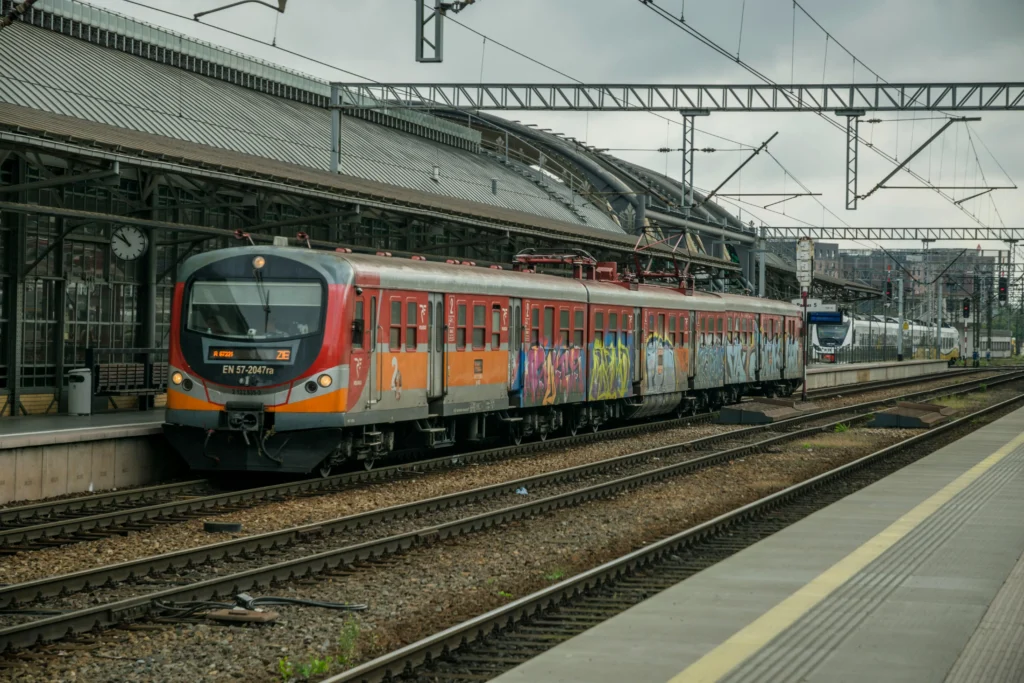
The way we experience travel is undergoing a massive shift. Today’s travelers are moving away from the rush of crowded airport terminals and shifting toward the slow, deliberate, and scenic charm of the tracks. Rail tourism is experiencing a major global renaissance, fueled by a desire for sustainable journeys, cultural immersion, and seamless cross-border adventures.
At the absolute heart of this European transport revolution is Poland, a country rapidly positioning itself as a central hub for modern, high-tech transit. While passengers often marvel at the sleek design of modern locomotives or the picturesque landscapes rolling past their windows, the true magic of contemporary rail tourism happens behind the scenes.
This year, a monumental milestone highlights this hidden world of travel technology: the celebration of the 100th anniversary of the historic railway signaling facility in Katowice, Poland. As one of Europe’s largest producers of railway traffic control systems, this legendary site is paving the way for the future of safe, high-speed, and interconnected European train travel.
A Century of Keeping Travelers Safe on the Tracks
To appreciate where European rail travel is going, it helps to look at where it began. The Katowice facility traces its rich history back to 1926, starting as a private telephone construction company before evolving through various eras of industrial innovation. Over the decades, it grew into a powerhouse for developing intrinsically safe point machines, traffic control systems, and vital railway safety mechanisms.
Today, operating as a core global center for Alstom, the Katowice site employs approximately 1,100 specialized experts. For a century, this single hub has been quietly ensuring that when tourists board a train in Europe, they reach their destinations safely and on time.
When we think about tourism infrastructure, we often think of grand terminal buildings or luxury sleeper cars. However, signaling technology is the invisible thread that ties the entire travel experience together. Without the advanced engineering cultivated in Katowice, the high-frequency, cross-border train itineraries that modern vacationers rely on simply would not be possible.
The Digital Rail Revolution: Seamless Cross-Border Journeys
For anyone who has ever dreamed of packing a bag and Interrailing across Europe, the biggest historical hurdle has always been compatibility. Historically, different countries used vastly different signaling languages and track systems, leading to delays at international borders.
The Katowice facility is actively dismantling these barriers by focusing heavily on the development of the European Rail Traffic Management System (ERTMS). This standardized, state-of-the-art digital signaling system allows trains to move seamlessly between different European nations without technical interruptions.
With advanced engineering teams and newly expanded testing laboratories, the Polish facility is capable of conducting complete, simulated ERTMS system testing under laboratory conditions. What does this mean for the everyday tourist? It means fewer delays, tighter transit schedules, more reliable connections, and a vastly improved international travel experience.
Upgrading the Tourist Experience from Warsaw to Global Hubs
The impact of this technological hub is already visible at some of Poland’s most critical transit gateways. The Katowice team has been instrumental in delivering advanced railway traffic control systems for major domestic infrastructure overhauls, including the massive modernization of the Warszawa Zachodnia station in Warsaw and the vital rail junctions at the Port of Gdynia.
For international visitors entering Poland, these upgraded hubs offer smoother transfers, clearer scheduling, and a completely modernized entry point into Central Europe. Warsaw Zachodnia, in particular, serves as a crucial artery for travelers exploring the country’s rich history, connecting the bustling capital to historic old towns, cultural landmarks, and nature reserves.
Furthermore, the innovations perfected in Poland are being exported to enhance tourism and commuter networks globally. The deployment teams from Katowice have supported advanced signaling programs in premier travel destinations worldwide, including Sweden, Germany, Greece, Croatia, Turkey, South Africa, and the Philippines.
High-Speed Rail and the Eco-Conscious Traveler
As the travel industry places a heavier emphasis on reducing carbon footprints, high-speed rail has emerged as the ultimate eco-friendly alternative to short-haul flights. The experts leading the Katowice facility emphasize that the next chapter of their journey is squarely focused on future-ready rail technologies, including high-speed rail systems, digital signaling, and autonomous mobility solutions.
By boosting the capacity and speed of existing rail lines, this innovation allows countries to run more trains, more frequently. For the eco-conscious tourist, this means choosing the train is no longer just the ethical choice—it is the most convenient and efficient choice.
Whether you are winding through the historic industrial landscapes of the Silesian region or embarking on a grand trans-European expedition, the legacy of Katowice ensures that your journey is backed by a century of expertise and a bold vision for the future of mobility. As Poland rail tourism continues to flourish, the tracks ahead look brighter, faster, and more connected than ever before.
For more travel news like this, keep reading Global Travel Wire