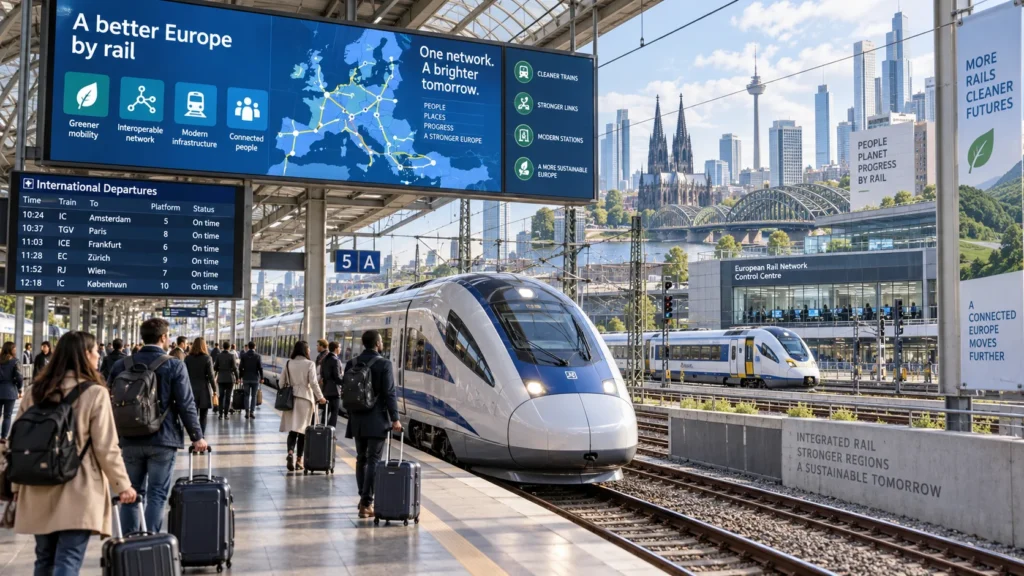
Global transport leaders, infrastructure specialists, and policymakers gathered at Messe Berlin for the opening of InnoTrans, marking the 30th anniversary of the world-leading transport technology exhibition. Centered on the theme of mobility, the official opening proceedings brought international focus to sustainable transport goals, artificial intelligence, and cross-border connectivity. High-level delegates highlighted the vital relationship between modern rail infrastructure, regional economic integration, and the future of sustainable tourism across Europe.
As international visitor volumes grow and sustainability mandates expand, public authorities are prioritizing the modernization of rail networks to create seamless passenger journeys. Official statements delivered during the opening ceremony emphasized that building an integrated transportation ecosystem is essential to supporting domestic travel, business mobility, and multi-destination leisure itineraries.
Strengthening Cross-Border Mobility and Passenger Rights Across Europe
Addressing attendees at the event, official representatives from the European Commission underscored rail’s foundational role in European mobility, business, and regional economies. Officials noted that while rail remains a pillar of regional transport, public authorities must continue reforming market structures to increase competitiveness across the overall transport sector.
Enhancing the passenger experience was identified as a primary policy objective for driving higher rail adoption among European residents and international tourists. Key European Union transport policy priorities focus on simplifying cross-border travel through unified digital systems. Official statements highlighted a clear regulatory goal: creating a streamlined framework that enables passengers to execute one journey through one booking platform with full passenger rights guaranteed across international borders.
Beyond digital integration, the expansion of high-speed rail networks remains a top priority within European industrial and environmental agendas. Building an integrated high-speed transport grid serves dual purposes: advancing decarbonization goals and strengthening regional travel resilience. European transport leadership expressed strong confidence in the global standing of European rail technology, reiterating that a connected transport network directly enhances the attractiveness of Europe as a seamless tourism destination.
Germany Outlines Modernization Funding for National Rail Infrastructure
Focusing on domestic transport strategy, German federal transport officials outlined comprehensive plans to transition national rail operations into a new era of digitization and connectivity. Official statements highlighted Berlin’s role as one of the continent’s most vital transport and transit hubs, pointing to key international rail connections, such as direct lines to Prague, as central pillars of European passenger mobility.
In evaluating current domestic performance, transportation leadership acknowledged that the national railway network requires significant structural modernization to meet public and commercial expectations. Public authorities emphasized that achieving long-term operational excellence requires matching investment commitments between road networks and rail infrastructure.
To support these structural upgrades, official statements confirmed that 1.7 billion EUR has been earmarked specifically for railway infrastructure enhancements through 2030. These public funds will target network reliability, digital signal modernization, and capacity expansion to ensure major transit corridors can accommodate growing passenger demand and maintain international timetable integrity.
Expanding Global Strategic Partnerships Beyond European Borders
Reflecting on three decades of industry developments, executive leadership at Messe Berlin framed the 30th anniversary milestone as both a celebration of structural achievements and a foundation for future international expansion. Organizers highlighted the role of trade exhibitions as essential platforms for bringing public planners, transport operators, and technology developers together.
A major strategic focus of the anniversary proceedings was the expansion of European transport partnerships into high-growth international markets, particularly across the Asia-Pacific region. Official statements confirmed plans to establish new international exhibition chapters, including an upcoming industry event in Singapore, designed to build economic bridges between European transport developers and Asian mobility markets.
As public transport ministries and international developers advance sustainability targets, investment in high-performance rail infrastructure remains a crucial catalyst for tourism growth, regional integration, and economic resilience. Through ongoing digital reform, cross-border policy alignment, and multi-billion-euro network investments, European transport leadership continues to pave the way for a more connected and accessible travel environment.
For more travel news like this, keep reading Global Travel Wire