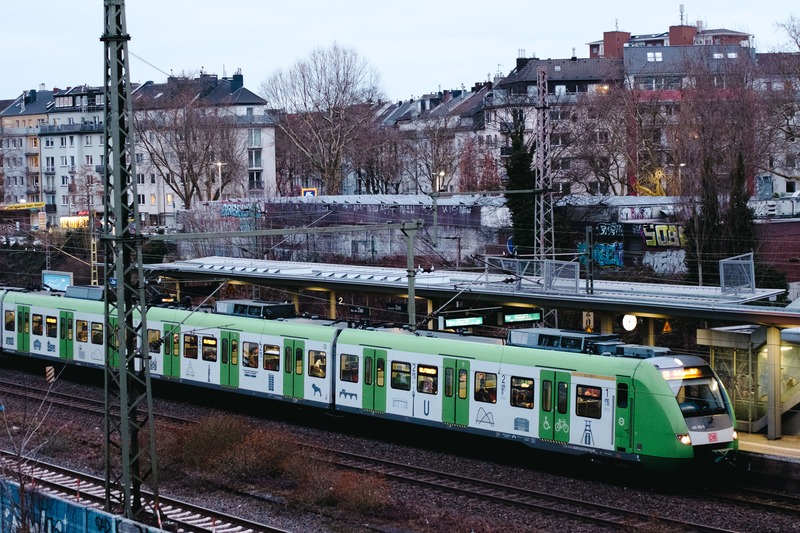
Germany is facing a difficult summer for rail travellers, with widespread train delays, cancellations and railway construction affecting journeys across the country. For tourists planning a Germany trip, the disruption could mean longer travel times, changed routes and unexpected transfers, making it increasingly important to check train schedules before setting out.
The situation is particularly relevant for international visitors relying on Deutsche Bahn, ICE trains and regional rail services to move between popular destinations. Major infrastructure works are taking place on several routes, while ongoing operational problems have added to concerns about German railway reliability during the busy summer travel period.
Rail Disruptions Create Challenges for Germany Travel
Germany’s extensive railway network is a major part of the country’s tourism infrastructure. Travellers frequently use trains to connect cities such as Berlin, Hamburg, Frankfurt, Munich and Cologne, as well as smaller destinations that are less convenient to reach by air.
However, passengers are currently being asked to prepare for significant changes on a number of routes. Construction projects, infrastructure repairs and timetable adjustments are contributing to cancellations and longer journey times.
The impact varies by region. Deutsche Bahn has announced multiple projects involving track renewals, bridge work, signalling systems and other railway infrastructure. In Stuttgart and surrounding areas, for example, extensive work has resulted in cancelled services and replacement buses on several routes.
Summer Construction Adds Pressure
A major reason behind the disruption is Germany’s effort to modernise its ageing rail infrastructure. While the work is intended to improve the network over the longer term, travellers must deal with temporary restrictions while projects are underway.
The Hamburg rail network has experienced substantial restrictions during the summer, with construction work affecting long-distance services and several major stations. Some trains have been redirected or have started and ended at alternative stations instead of Hamburg-Altona and Hamburg Dammtor.
Other important routes have also faced temporary closures. Construction on the railway corridor between Freiburg and Offenburg, for example, resulted in cancellations and diversions affecting both regional and international services, including trains connecting Switzerland with Germany. Replacement buses have been introduced on some sections, but passengers can face considerably longer journey times.
Deutsche Bahn Reliability Remains a Concern
Infrastructure work is not the only challenge facing Germany’s railway system. Punctuality has also become a major issue, prompting renewed political attention. Germany’s new transport minister, Steffen Bilger, has said that Deutsche Bahn executive bonuses should be more closely linked to the company’s performance targets. The government is also planning substantial investment in railway infrastructure, although officials acknowledge that improving punctuality will take time.
The challenges are particularly visible on some heavily used routes. On the Hamburg-Berlin line, for example, only around 25.8% of long-distance trains arrived on time between mid-June and mid-July 2026, according to reported figures. The route underwent a major modernisation programme, but remaining technical work and signalling issues have continued to affect services.
What Travellers Should Know
For visitors planning a Germany holiday, the current rail situation does not necessarily mean abandoning train travel altogether. Germany’s railway network remains extensive, and alternative services are available on many affected routes. However, travellers should build additional time into their itineraries, particularly when connecting between trains or travelling to airports. A missed connection can have a greater impact when services are running less frequently or when replacement buses are operating. Passengers should also check their journey shortly before departure rather than relying solely on an itinerary created days earlier. Deutsche Bahn provides current information through its website and DB Navigator app, while regional railway operators publish separate updates for local disruptions.
Travellers with tight schedules may also want to consider alternative transport, including long-distance buses, rental cars or domestic flights where practical. For tourists moving between several German cities, flexibility could be particularly valuable this summer.
A Changing Rail Experience for Tourists
Germany’s railway challenges highlight a wider issue facing European travel: maintaining an extensive rail network while upgrading infrastructure that has been under pressure for years. The construction work currently causing disruption is ultimately intended to improve capacity, reliability and passenger experience.
For now, however, tourists should expect some uncertainty when travelling by train in Germany. Checking Deutsche Bahn train schedules, railway disruptions, cancellations and replacement services before each journey can help reduce the risk of major delays.
For international visitors, the best approach may be to keep travel plans flexible and allow extra time between major activities. Germany remains an attractive destination for city breaks, cultural tourism and summer holidays, but this season, a little more planning could make the difference between a smooth journey and an unexpected day spent waiting at a station.