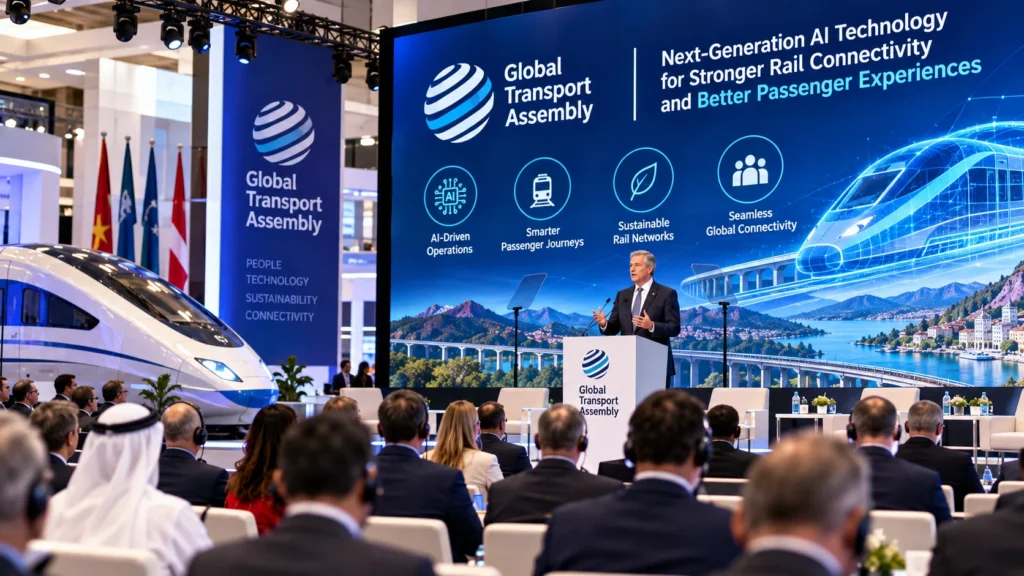
International transport leaders, urban transit organizations, and digital infrastructure developers convened at InnoTrans in Berlin to launch a comprehensive next-generation intelligent railway architecture. Designed to accelerate the digital evolution of global rail networks, the newly unveiled system introduces twenty scenario-based applications tailored to optimize passenger transport, facility maintenance, and civil construction across metropolitan and long-distance rail lines.
The high-level technology unveiling brought together key global transport bodies, including the International Union of Railways and the International Association of Public Transport, alongside international transit operators. Representatives highlighted that integrating artificial intelligence and advanced communication frameworks into core operational systems serves as a critical foundation for modernizing global passenger rail transport. As international travel demand continues to rise, modernizing legacy connectivity systems becomes essential to delivering seamless, reliable, and safe travel experiences.
A primary focus of the strategic rail framework centers on transitioning global communication networks from legacy GSM-R platforms toward Future Railway Mobile Communication Systems. Industry experts emphasized that establishing standardized digital foundations enables passenger train operators to deploy real-time monitoring, predictive maintenance, and enhanced onboard digital services. By shifting maintenance protocols from reactive repairs to condition-based automated monitoring, rail operators can prevent service disruptions, ensure optimal timetable reliability, and elevate overall passenger satisfaction.
For international travelers and urban commuters, the rollout of intelligent rail architectures directly enhances the passenger journey. Next-generation digital platforms enable seamless multimodal transit coordination, simplified ticketing integration, real-time trip planning, and enhanced station automation. Operational research conducted jointly by international public transport associations indicates that artificial intelligence applications across metro networks and regional passenger lines significantly improve energy efficiency, operational safety, and train frequency.
The innovation strategy relies on four fundamental pillars focused on strengthening system reliability, automating routine operational tasks, integrating passenger services, and ensuring long-term technological adaptability. By combining high-capacity digital communication channels with specialized software applications, the modular system allows regional transport authorities to customize digital tools based on specific transit corridors and passenger volume requirements.
Global deployment statistics highlight the growing reliance on digital transit infrastructure, with advanced ICT platforms currently supporting over fifty major railway operators and three hundred urban metro lines spanning more than 180,000 kilometers of track worldwide. By fostering collaborative ecosystems between digital infrastructure providers and local rail operators, international transport bodies aim to establish interconnected, eco-friendly rail networks that support sustainable tourism and regional mobility for generations to come.
For more travel news like this, keep reading Global Travel Wire