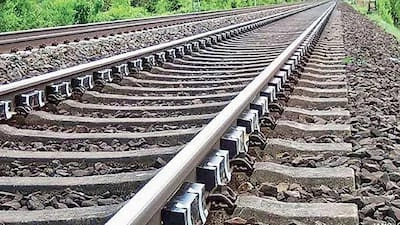
India has approved a strategic 17-kilometre railway line between Khunia More and Jaldhaka in North Bengal, creating the potential for stronger regional mobility and wider tourism development across the Dooars.
The Ministry of Railways has sanctioned approximately ₹272 crore for the proposed corridor. The alignment will begin at Khunia More near Chalsa and move towards Jaldhaka through areas under the Jalpaiguri and Kalimpong forest divisions.
The project is expected to improve access to the Jaldhaka-Bindu-Todey Tangta tourism belt while strengthening connectivity towards the strategically important India-Bhutan-China tri-junction region.
However, construction will not begin immediately. Indian Railways and the West Bengal Forest Department are expected to conduct a joint survey after the monsoon to examine the proposed alignment, engineering requirements and environmental implications.
New railway could transform Dooars access
The Dooars is one of North Bengal’s most distinctive tourism regions, known for forests, tea gardens, rivers, wildlife habitats and landscapes along the Himalayan foothills.
Many attractions remain heavily dependent on road transport from railway gateways such as New Jalpaiguri, New Mal Junction and Chalsa. Longer road journeys can make lesser-known destinations more difficult to include in short itineraries.
The Khunia More–Jaldhaka rail link could bring visitors closer to remote communities and natural attractions. Better access may help travellers combine forest stays, tea tourism, village experiences and river-based sightseeing within a broader North Bengal journey.
Destinations around Jaldhaka, Bindu, Todey and Tangta could gain greater visibility if the railway is completed and supported by reliable local transport.
The route could also complement established Dooars attractions, including Gorumara National Park, Chapramari Wildlife Sanctuary and surrounding tea-growing areas.
Tourism businesses could gain new demand
Improved railway access can create opportunities for hotels, homestays, restaurants, guides and local transport operators.
Smaller communities often struggle to attract overnight visitors when reaching them requires complicated transfers. A closer rail connection could encourage travellers to extend their stays and explore destinations beyond the region’s most established tourism centres.
Local residents may also benefit from easier access to employment, education, healthcare and markets. Better passenger and goods movement could support small enterprises while reducing dependence on limited road services.
The project may become particularly important for community-based tourism. Homestays and village experiences have become increasingly popular among travellers seeking quieter destinations, cultural interaction and nature-focused holidays.
However, tourism growth will require careful management. Accommodation capacity, waste treatment, road links and visitor services must develop without damaging the natural qualities that attract travellers to the Dooars.
Strategic location increases the project’s importance
The railway’s importance extends beyond tourism because of its proximity to the India-Bhutan-China tri-junction.
The wider region includes routes leading towards the Doklam plateau, where India and China experienced a prolonged military standoff in 2017. Improved infrastructure can strengthen access to border areas while supporting civilian mobility and regional logistics.
The Jaldhaka River adds further geographical significance. The river originates near Kupup Lake in Sikkim, close to the Jelep La mountain pass, before flowing through parts of India, Bhutan and Bangladesh.
A railway corridor in this area could improve access to remote settlements and create a more dependable transportation network near the frontier.
The project also reflects India’s wider investment in border-region connectivity. Rail, road and telecommunications infrastructure are being developed across difficult Himalayan terrain to connect isolated communities and strengthen supply routes.
Environmental survey will shape the alignment
The proposed route passes through ecologically sensitive forest landscapes under the Jalpaiguri and Kalimpong forest divisions.
Reports on the project indicate that the alignment could affect areas associated with the Chapramari Wildlife Sanctuary. Consequently, forest and wildlife clearances will be necessary before major construction can proceed.
The joint post-monsoon survey will need to examine land requirements, wildlife movement, drainage, bridges and engineering conditions.
North Bengal’s forests support elephants and other wildlife that regularly move across established corridors. Railway design must therefore consider animal crossings, train speeds, fencing and monitoring systems.
Responsible planning will be essential if the project is to strengthen tourism without increasing pressure on sensitive habitats.
Wider rail plans strengthen Himalayan travel
The Jaldhaka proposal forms part of a broader effort to improve railway connectivity across North Bengal and the eastern Himalayan region.
Indian Railways previously sanctioned surveys for new international and alternative railway routes designed to strengthen connectivity through the narrow corridor linking mainland India with the Northeast. These proposals include a long new route between Biratnagar and New Mal Junction.
The ongoing Sivok–Rangpo railway project is also designed to provide Sikkim with its first direct connection to the national railway network. Future expansion towards Gangtok and areas nearer Nathu La has remained part of longer-term regional planning.
Together, these projects could eventually support more connected tourism circuits across the Dooars, Darjeeling hills and Sikkim.
Dooars tourism enters a promising new phase
Although the Khunia More–Jaldhaka line measures only 17 kilometres, its potential impact is significant.
The project could connect remote communities, strengthen frontier access and introduce more travellers to the forests, rivers and mountain landscapes of North Bengal.
Its success will depend on environmental approvals, detailed surveys, construction progress and coordinated tourism planning.
With responsible development, the new railway could help position the Jaldhaka region as an accessible nature and adventure destination while spreading tourism benefits across lesser-known parts of the Dooars.
For more travel news like this, keep reading Global Travel Wire