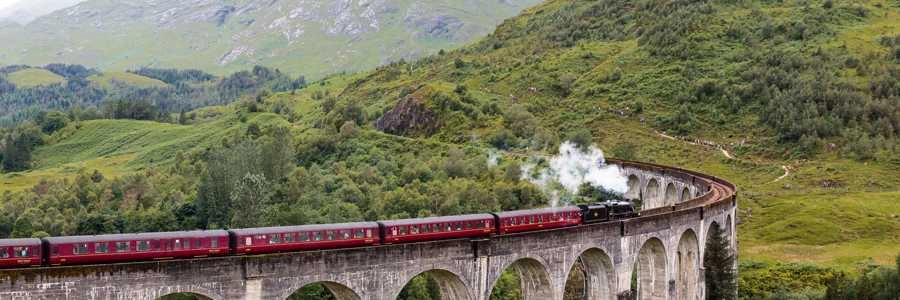
Scotland’s scenic Far North and Kyle railway lines continue to offer memorable journeys from Inverness. However, a timetable assessment has revealed fragile connections for travellers continuing towards Orkney and the Isle of Skye.
The current ScotRail North Highlands timetable operates from June 29 to December 12, 2026. It connects Inverness with Thurso, Wick and Kyle of Lochalsh, supporting access to remote communities and major Highland tourism destinations.
Yet the complete visitor journey often depends on an additional ferry, coach or taxi connection. Tight transfer periods, lengthy waits and early final departures can make these routes difficult to package as dependable car-free holidays.
Thurso remains a vital gateway to Orkney
The Far North Line links Inverness with Thurso, the principal railway gateway for NorthLink’s Scrabster–Stromness ferry.
During the 2026 peak timetable, NorthLink operates Scrabster departures at 8:45 a.m., 1:15 p.m. and 7 p.m. Ferry check-in closes 30 minutes before departure, meaning passengers must also allow time to travel between Thurso station and Scrabster terminal.
The 7 a.m. train from Inverness reaches Thurso at 10:59 a.m. It provides the strongest same-day connection, leaving one hour and 46 minutes before final check-in for the 1:15 p.m. sailing.
By contrast, the 10:41 a.m. train reaches Thurso at 2:24 p.m. Travellers must then wait more than four hours before final check-in for the evening ferry.
The 2 p.m. departure creates the greatest risk. It arrives in Thurso at 5:50 p.m., only 40 minutes before check-in closes for the 7 p.m. sailing.
That period must include disembarkation, luggage collection and the transfer to Scrabster. Even a modest railway or taxi delay could result in a missed ferry.
ScotRail Rail and Sail arrangements can provide a connecting taxi for qualifying journeys. However, travellers must book the correct product and confirm the transfer requirements before departure.
Orkney return journeys face limited rail options
Southbound connections from Orkney create further difficulties.
The 6:30 a.m. ferry from Stromness reaches Scrabster at 8 a.m., while the relevant train leaves Thurso at 8:34 a.m. The 11 a.m. sailing arrives at 12:30 p.m., followed by a 1:06 p.m. railway departure.
These connections provide only 34 and 36 minutes respectively before accounting for disembarkation and the road transfer.
The final Stromness sailing departs at 4:45 p.m. and arrives at Scrabster at 6:15 p.m. By then, the last useful southbound train has already left Thurso.
Travellers choosing the later ferry therefore require road transport or an overnight stay in Caithness. This can increase accommodation costs and reduce time available elsewhere in a Scottish itinerary.
Kyle Line creates long waits for Skye coaches
The Kyle Line provides a dramatic journey from Inverness towards Scotland’s western coast. Kyle of Lochalsh then acts as an interchange for coaches continuing across the Skye Bridge.
The first Monday train reaches Kyle at 11:31 a.m. A Citylink coach leaves at noon, creating a 29-minute connection towards Portree and other Skye destinations.
Although usable for independent passengers, the connection provides limited protection against railway delays. It may also prove difficult for groups, travellers with heavy luggage or passengers requiring assistance.
A later train arrives at 1:35 p.m., followed by a wait of almost two hours. The 4:16 p.m. arrival produces a wait of more than three hours before the next audited coach departure.
The final train reaches Kyle at 8:34 p.m., after the relevant scheduled Citylink services have departed. Passengers must arrange accommodation or alternative local transport.
Long waits can weaken the appeal of choosing the railway, particularly when travellers have limited time or prepaid accommodation and activities on Skye.
Catering limitations increase journey pressure
Journey times add another consideration. ScotRail places the average Inverness–Thurso journey at approximately three hours and 50 minutes, while Inverness–Kyle takes around two hours and 40 minutes.
Catering is available only on selected services and may cover just part of the journey. Operational conditions can also affect onboard availability.
The issue becomes more serious when a lengthy train ride is followed by several hours waiting for a ferry or coach. Passengers should carry water and food rather than assume refreshments will remain available throughout the complete journey.
Better integration could strengthen tourism
The Highlands attracted 1.79 million overnight visits during 2024, generating 6.45 million nights and £756 million in visitor spending.
Public transport is particularly important for international travellers, who are more likely to use trains, coaches and ferries while exploring Scotland.
Official rail usage data also shows the potential value of better connections. Kyle of Lochalsh recorded 46,788 passenger entries and exits during 2024–25, while Thurso recorded 36,980 and Wick reached 16,046.
Infrastructure investment can improve reliability, but tourism growth also requires coordinated timetables, protected transfers and clearer responsibility when disruption occurs.
With stronger integration between trains, ferries, coaches and taxis, Inverness, Thurso and Kyle of Lochalsh could become more dependable gateways to Orkney, Skye and the wider Scottish Highlands.
For more travel news like this, keep reading Global Travel Wire