Japan’s premium railway tourism sector is entering another exciting phase as JR Kyushu prepares to relaunch its celebrated 36+3 sightseeing train on September 3, 2026, with upgraded private accommodation and an enhanced dining experience designed for travelers exploring Kyushu.
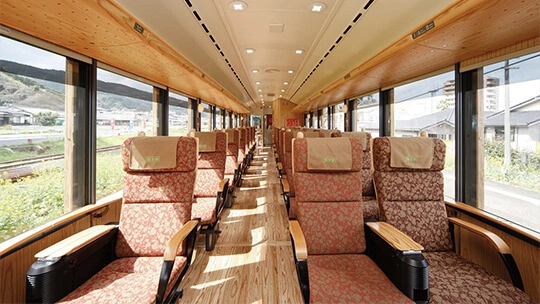
The transformation centers on car No. 6, which is being redesigned with ten private rooms suitable for one or two passengers. The renewed train will also introduce an upgraded lunch experience, strengthening the connection between rail travel, regional cuisine and destination discovery.
For travelers, the changes create a more intimate way to experience Kyushu. Instead of using rail simply to move between destinations, passengers can make the journey itself an important part of their Japan holiday.
The upgrade also reflects growing demand for slower, experience-driven tourism that combines comfort, privacy, local food and regional culture.
Private rooms create greater exclusivity
The redesigned car No. 6 represents one of the most important changes to the 36+3 experience.
Ten private rooms for one or two travelers will offer a more secluded environment for couples, solo travelers and companions seeking additional privacy during their journey.
These rooms complement the train’s existing private accommodation, expanding the number of passengers who can experience Kyushu in a more personalized setting.
JR Kyushu’s approach reflects changing expectations among premium travelers.
Many visitors increasingly look beyond conventional first-class seating. They want privacy, thoughtful design and experiences that feel closely connected to the destination.
A private rail compartment allows passengers to watch Kyushu’s changing scenery while enjoying a quieter atmosphere than traditional open seating.
Premium dining becomes part of the journey
Food will play an even greater role in the upgraded service.
The renewed car No. 6 private rooms are connected with the train’s lunch-plan experience, allowing travelers to combine sightseeing with a carefully structured culinary journey.
Regional cuisine has always been central to tourism in Kyushu.
The island is known for distinctive local ingredients, seafood, agricultural products and regional specialties that vary significantly between prefectures.
By integrating dining into the rail experience, 36+3 can introduce passengers to Kyushu through both landscapes and flavors.
This transforms lunch from a simple onboard meal into part of the destination experience.
For international visitors, such culinary storytelling can provide an accessible introduction to regional Japan without requiring separate restaurant planning at every stop.
Kyushu becomes the destination
The 36+3 train was designed to showcase the diversity of Kyushu rather than focus on a single city.
Its routes operate across different parts of the island, allowing travelers to experience changing scenery, communities and regional identities.
Kyushu offers volcanic landscapes, dramatic coastlines, hot-spring destinations, historic cities, rural communities and diverse culinary traditions.
This makes rail particularly well suited to exploring the region.
Passengers can watch landscapes change gradually instead of moving quickly between airports and urban centers.
The slower pace encourages travelers to appreciate smaller destinations that might otherwise be overlooked during a conventional Japan itinerary.
Regional tourism gains wider opportunities
Luxury sightseeing trains can generate economic benefits beyond the railway itself.
Passengers traveling through regional communities may extend their journeys with hotel stays, local tours, restaurants, cultural attractions and shopping.
This helps distribute tourism spending beyond Japan’s most heavily visited urban destinations.
Tokyo, Kyoto and Osaka remain major international gateways, but Japan has increasingly encouraged travelers to explore regional destinations.
Kyushu provides strong opportunities for that diversification.
A premium train such as 36+3 can act as both transportation and tourism promotion, introducing passengers to destinations they may later choose to explore more deeply.
Local communities can also benefit when railway journeys incorporate regional products, hospitality and cultural experiences.
Slow travel gains momentum in Japan
The renewed 36+3 reflects a broader shift toward experience-driven rail tourism.
Japan is internationally famous for speed and efficiency through its Shinkansen network. However, sightseeing trains demonstrate a different philosophy.
Rather than minimizing travel time, these services encourage passengers to enjoy it.
Scenic views, meals, personalized hospitality and carefully designed interiors become central parts of the journey.
This approach appeals particularly to travelers seeking meaningful experiences rather than simply visiting the maximum number of attractions in the shortest possible time.
Luxury rail can also complement traditional sightseeing by connecting transportation with accommodation, gastronomy and cultural discovery.
Travelers should plan ahead
Passengers interested in the upgraded 36+3 experience should plan reservations carefully.
Private rooms and specialized lunch plans have limited capacity, particularly because the redesigned car No. 6 contains only ten rooms.
Travelers should review specific operating dates, routes, reservation conditions and package options before finalizing their Kyushu itineraries.
Different operating days can provide different regional experiences, so route selection should form an important part of travel planning.
International visitors should also allow sufficient flexibility around their wider Japan itinerary.
A new chapter for Kyushu rail tourism
The September 3 relaunch will mark an important new chapter for JR Kyushu’s 36+3.
By adding ten private rooms in car No. 6 and strengthening its premium dining experience, the railway is transforming the train into an even more immersive tourism product.
For travelers, the attraction is simple: privacy, scenery, regional cuisine and slower exploration come together in one journey.
As Japan continues expanding regional tourism beyond its largest cities, experiences such as 36+3 can encourage visitors to stay longer, explore deeper and discover a more diverse side of the country.
The upgraded train therefore represents more than luxury transportation. It offers a distinctive way to experience Kyushu where the railway journey becomes one of the most memorable destinations of the trip itself.
For more travel news like this, keep reading Global Travel Wire