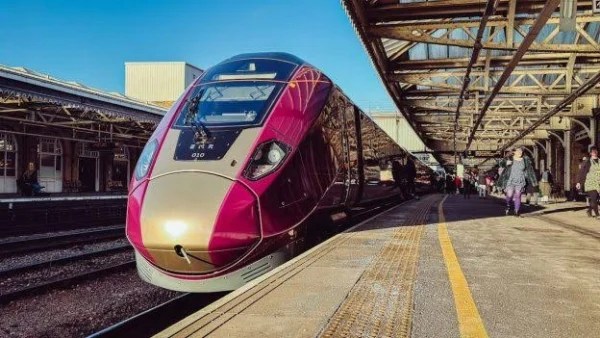
New Stadler trains are beginning a major transformation of regional travel around Mount Vesuvius, offering visitors a more modern, accessible and comfortable way to explore one of Italy’s most important tourism regions.
The specially designed trains are joining the Circumvesuviana network operated by Ente Autonomo Volturno, strengthening connections between Naples and destinations surrounding the famous volcano. These routes provide access to Pompeii, Herculaneum, Sorrento and several communities across the Vesuvian area.
The fleet renewal represents an important development for both tourism and everyday mobility. Visitors will benefit from improved onboard comfort and accessibility, while residents, students and workers gain newer trains for essential regional journeys.
The introduction also supports Campania’s wider strategy to modernise its public transport network, improve railway reliability and encourage more travellers to choose rail instead of private vehicles.
New trains modernise Vesuvian travel
Stadler developed the new ET300 trains specifically for the Circumvesuviana’s historic narrow-gauge infrastructure.
The network uses a 950-millimetre track gauge and presents complex engineering requirements. Therefore, the trains were tailored to operate across the existing system while also supporting future railway technology.
They are compatible with the signalling currently used on the network and the more advanced European Train Control System being introduced on Vesuvian lines.
This compatibility allows the vehicles to operate during the railway’s wider technological transition. It also supports improved safety, monitoring and operational management.
The first train received official authorisation to enter service after an extensive testing and certification process. Twelve units had already reached Naples by the end of June 2026, with the initial fleet expected to enter operation progressively.
Longer-term plans envisage dozens of new Stadler trains joining the network as Campania accelerates the replacement of ageing rolling stock.
Passenger comfort gains priority
The new trains are intended to improve the experience of passengers travelling across the Mount Vesuvius region.
Modern interiors, updated passenger systems and improved accessibility features will support a broader range of travellers. These include families, older passengers, people with reduced mobility and international visitors carrying luggage.
Better onboard information can also help tourists unfamiliar with the regional railway network navigate connections more confidently.
Comfort is particularly important on routes serving globally recognised attractions. During peak travel periods, services around Pompeii, Herculaneum and the Bay of Naples can experience intense visitor demand.
New rolling stock provides an opportunity to improve capacity, reliability and the quality of journeys through one of Italy’s busiest tourism areas.
Pompeii and Herculaneum become easier to explore
The Circumvesuviana plays a central role in connecting Naples with the archaeological landscapes shaped by the eruption of Mount Vesuvius in AD 79.
Pompeii attracts travellers from around the world with its preserved streets, houses, temples and public buildings. The archaeological site remains one of Italy’s most significant cultural attractions.
Herculaneum offers another detailed view of Roman life beneath Mount Vesuvius. Its compact ruins, preserved structures and archaeological importance make it a major stop for cultural travellers.
Improved regional trains can make it easier for visitors to combine both destinations during a stay in Campania. They also support onward journeys to communities, coastal areas and natural attractions around the volcano.
Reliable public transport is especially valuable for travellers staying in Naples who prefer to explore the region without renting a car.
Mount Vesuvius tourism gains stronger connections
Mount Vesuvius remains one of Europe’s best-known active volcanoes and a defining feature of the Campania landscape.
Visitors travel to the area for walking routes, panoramic viewpoints and its close connection to ancient Roman history. Many itineraries combine the volcano with Pompeii, Herculaneum and Naples.
However, roads around major attractions can become congested during the summer and other peak periods.
Improved rail services offer an alternative that can move large numbers of passengers while reducing dependence on cars, taxis and tour buses.
This may help spread visitors more efficiently across the region while supporting easier access to smaller communities near railway stations.
Local tourism businesses could benefit
Modern railway connections can generate economic benefits beyond the transport sector.
Hotels, restaurants, tour operators, guides and shops depend on reliable access to bring visitors into communities around the Vesuvian network.
More comfortable trains may encourage travellers to explore additional destinations rather than limiting their trip to one major attraction.
Visitors could combine archaeological parks with local food experiences, coastal stays, historic towns and cultural sites across the Naples metropolitan area.
Improved accessibility may also strengthen demand for independent travel, allowing tourists to create flexible itineraries without relying entirely on organised road transport.
Sustainable mobility supports Campania’s future
The Stadler fleet forms part of a broader regional programme focused on renewing trains, upgrading technology and improving stations.
Campania has identified rolling-stock modernisation, railway safety and accessible transport hubs as strategic priorities for the EAV network.
Rail investment supports tourism sustainability by reducing pressure on roads and providing a lower-impact option for moving visitors between urban centres and heritage attractions.
It also benefits residents by improving the same services used for work, education and daily travel.
The success of the programme will depend on dependable timetables, effective maintenance and the gradual introduction of the full fleet.
A new chapter for Vesuvian tourism
The arrival of Stadler trains marks an important step towards a more modern travel experience around Mount Vesuvius.
For tourists, the new fleet promises easier journeys between Naples, Pompeii, Herculaneum and other Campania destinations.
For the region, it strengthens the link between transport investment, cultural tourism and sustainable mobility.
As more trains enter service, the Circumvesuviana can become a stronger gateway to the archaeological, natural and coastal attractions that make the Mount Vesuvius region one of Italy’s most distinctive destinations.
For more travel news like this, keep reading Global Travel Wire