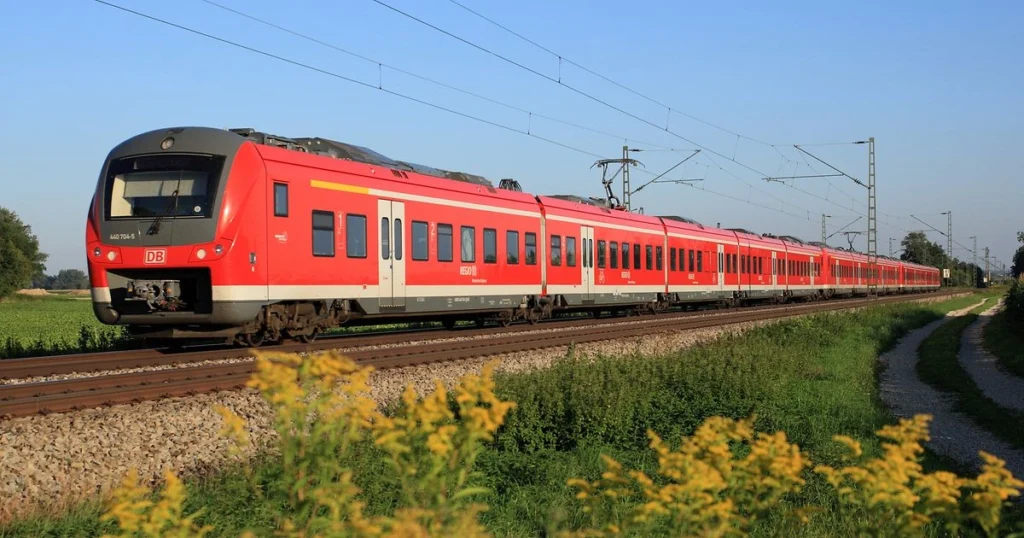
DB Regio has completed the full integration of Regionalverkehre Start Deutschland, bringing the operator’s transport contracts, employees and regional services into a single structure from 1 August 2026.
The organisational change represents a significant restructuring of Germany’s regional passenger rail sector. However, travellers will see no immediate changes to routes, timetables or service levels.
Existing trains will continue operating as scheduled, while experienced employees remain in their current roles under DB Regio’s regional divisions. The transition is designed to improve operational stability, simplify management and create a more coordinated railway organisation.
For passengers, the message is straightforward. The company structure behind the services has changed, but normal journeys continue without interruption.
Regional contracts move to DB Regio
DB Regio has taken over all existing transport contracts previously managed by Start Deutschland.
The agreements will continue under the conditions established with regional transport authorities. This means contracted routes, service frequencies, capacity requirements and passenger commitments remain in place.
Responsibility for operations, workforce deployment, contract management and regional coordination now sits directly within DB Regio.
The move creates a single operating structure instead of maintaining separate systems within the wider Deutsche Bahn group. Regional authorities will also have a more unified point of contact for service delivery and operational planning.
DB Regio aims to use the integration to make the affected networks more stable, economically efficient and prepared for future transport demand.
Passengers face no immediate disruption
The transition has been structured to protect continuity for travellers.
Unlike a timetable change or network redesign, the integration primarily affects internal administration and management. Existing departure times, routes and service patterns continue after the transfer.
Passengers do not need to purchase new tickets or change their usual travel arrangements because of the restructuring. Journey planning remains available through the established railway information and ticketing systems.
This stability is particularly important for commuters, students, tourism workers and residents who rely on regional trains every day.
Germany’s regional railway network also supports domestic tourism by connecting major cities with rural communities, cultural destinations and recreational areas.
Maintaining normal operations ensures that leisure travellers can continue reaching destinations without facing disruption caused by the corporate transition.
Employees join regional operating teams
All employees from Start Deutschland’s regional business units have transferred directly into the corresponding DB Regio divisions.
The one-to-one transfer preserves operational knowledge, local experience and specialised railway skills developed across the affected networks.
Employees working in train operations, customer service, planning and supporting roles continue their work within the integrated organisation.
This approach reduces the risk of losing experienced personnel during a period when rail operators across Europe face recruitment challenges and workforce shortages.
Local knowledge is especially valuable in regional rail operations. Employees understand individual routes, passenger demand, operational constraints and the needs of communities served by the trains.
DB Regio can now combine this experience with its wider workforce and operational resources.
Unified structure replaces separate systems
Start Deutschland was originally established as a separate operating platform for competitive regional railway tenders.
The company allowed Deutsche Bahn to pursue transport contracts through an independent structure. With the latest transition, those operations have now returned fully to DB Regio.
The integration removes overlapping management processes and brings planning, staffing and operational coordination into a unified system.
A single structure may allow DB Regio to deploy personnel and resources more flexibly across regional networks. It could also simplify decision-making during disruptions or periods of increased passenger demand.
The change forms part of Deutsche Bahn’s broader effort to create leaner structures, clearer responsibilities and faster operational decisions.
Service quality becomes a central priority
DB Regio has said the integration is intended to support improvements in operating quality.
Measures were already introduced in several regions before the formal transition. These included additional support from DB Regio train drivers to help stabilise services.
Germany’s regional rail sector faces continuing challenges linked to staffing, infrastructure capacity, punctuality and rising operating costs.
The integration will not immediately resolve every problem. However, it creates a larger organisational framework for coordinating employees, rolling stock and operational responses.
A more unified approach may help regional teams manage unexpected shortages, service disruptions and changing passenger requirements more effectively.
Transport authorities retain oversight
Regional transport authorities continue commissioning and monitoring passenger rail services after the integration.
The transfer does not remove contractual obligations covering frequency, capacity, quality or route performance.
DB Regio must deliver the same services previously operated through Start Deutschland under the existing agreements.
Any future changes to routes or timetables would need to follow established regional transport planning and approval processes.
This framework helps protect passengers by ensuring that the internal corporate change does not weaken public-service commitments.
Branding shifts across affected networks
Former Start Deutschland services will now operate consistently under the DB Regio name.
Passengers may gradually notice updated company references, signage or branding across trains and communication materials.
However, the branding transition does not represent an immediate redesign of onboard services or travel conditions.
The main objective is to create a consistent identity while strengthening the operational structure behind regional railway services.
A strategic change for German rail
The completed integration marks an important shift in the management of Germany’s regional passenger trains.
By combining contracts, employees and administrative systems, DB Regio is moving towards a more coordinated operating model.
Passengers will continue using the same trains and scheduled connections, while the organisation behind those journeys becomes more unified.
The long-term success of the transition will depend on whether the new structure improves stability, workforce planning and service reliability.
For regional travellers and tourists, continuity remains the immediate benefit. Germany’s railway management has changed, but the journey continues as planned.
For more travel news like this, keep reading Global Travel Wire