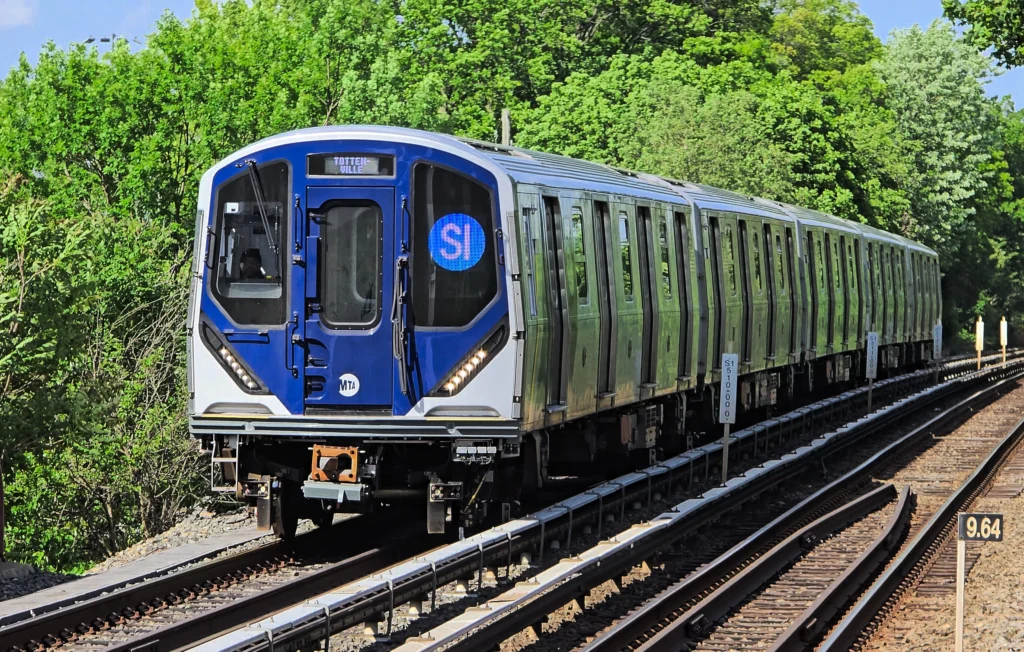
New York and Long Island’s tourism industry is facing a significant challenge after a strike by Long Island Rail Road workers halted operations across the busiest commuter rail network in the United States just as the summer travel season begins. Approximately 3,500 workers walked off the job on May 16 following unsuccessful contract negotiations with the Metropolitan Transportation Authority, disrupting a system that typically carries nearly 300,000 passengers daily. The timing of the strike, arriving immediately before Memorial Day travel demand accelerates, is creating concern across tourism and hospitality sectors.
The interruption represents more than a commuter issue. The rail shutdown affects visitor movement between New York City and many of Long Island’s most popular tourism destinations, potentially reshaping travel patterns during one of the region’s busiest periods.
Tourism Destinations Feel Immediate Pressure
The start of summer traditionally brings increased visitor traffic toward beaches, coastal communities, and resort areas throughout Long Island. Destinations including the Hamptons, Jones Beach, Fire Island, and South Shore communities typically rely heavily on train accessibility to manage large numbers of domestic and international visitors.
For many travelers, rail services have historically served as a convenient and predictable route to seasonal destinations. Hotels, vacation rentals, restaurants, and attractions often align staffing schedules and visitor expectations around regular passenger flows.
The sudden suspension of service creates operational challenges for tourism businesses now preparing for high-volume seasonal demand.
The strike is also historically significant, marking the first Long Island Rail Road work stoppage in more than three decades and creating an unusual level of uncertainty for travelers and tourism operators.
Alternative Transportation Demand Increases
With train operations suspended, travelers are quickly turning toward other transportation choices.
Ride-hailing platforms, taxi services, private transportation providers, and rental vehicle companies are seeing increased demand as visitors adjust travel plans. The resulting surge is expected to create longer waiting periods and potentially higher transportation costs in some areas.
Road networks connecting New York City and Long Island are also expected to face increasing pressure.
Major corridors including the Long Island Expressway, Northern State Parkway, and routes serving ferry access points could experience heavier congestion as travelers move away from rail-based transportation.
For visitors unfamiliar with regional traffic patterns, longer travel times may affect scheduled tours, hotel check-ins, and day-trip itineraries.
Airport and Cruise Travelers Face Additional Challenges
Travelers using New York airports could encounter particular difficulties during the disruption.
Many passengers traveling through John F. Kennedy International Airport and LaGuardia Airport frequently rely on Long Island Rail Road connections as part of broader transit journeys. With that option unavailable, airport transportation demand may shift toward buses, shuttles, taxis, and private transportation providers.
Cruise passengers departing from New York and Long Island terminals could also experience added travel complexity.
Tourism operators and transportation providers are advising travelers to allow significantly more time than normal for transfers and arrival procedures.
Hotels and Resorts Introduce Contingency Measures
Businesses across Long Island’s tourism sector are already adapting to changing visitor needs.
Several hotels and resorts are expanding shuttle offerings and strengthening partnerships with local transportation providers. Properties that historically promoted rail accessibility are now revising guest communications with alternative route information, parking guidance, and transfer recommendations.
For destinations such as Fire Island, where many visitors traditionally combine train and ferry travel, transportation adjustments are becoming particularly important.
Ferry operators and local businesses are coordinating capacity planning and identifying alternate boarding arrangements where necessary.
Tourism Authorities Shift Strategy
Tourism organizations and local authorities are also introducing measures designed to reduce disruption.
Regional agencies are exploring temporary transportation solutions, expanded shuttle networks, and partnerships with transportation companies to help maintain visitor movement.
Some visitor centers are emphasizing experiences less dependent on commuter rail systems.
Museums, neighborhood attractions, walking experiences, local dining districts, and destinations connected through subway systems are receiving greater attention in travel messaging.
Summer Season Faces an Uncertain Outlook
While New York and Long Island remain among the country’s strongest tourism markets, prolonged transportation disruptions could affect visitor spending patterns and seasonal business activity.
Day-trip travel could decline if transportation challenges continue, while hotels and attractions may need to increase flexibility in booking policies and visitor services.
At the same time, tourism businesses are demonstrating rapid adaptability by introducing new transportation arrangements and revising visitor communications.
The Long Island Rail Road strike highlights how closely transportation systems and tourism economies are connected. Although travelers can still experience New York and Long Island’s beaches, cultural attractions, and hospitality offerings, the disruption may reshape the region’s summer travel experience until rail services fully return.
For more travel news like this, keep reading Global Travel Wire