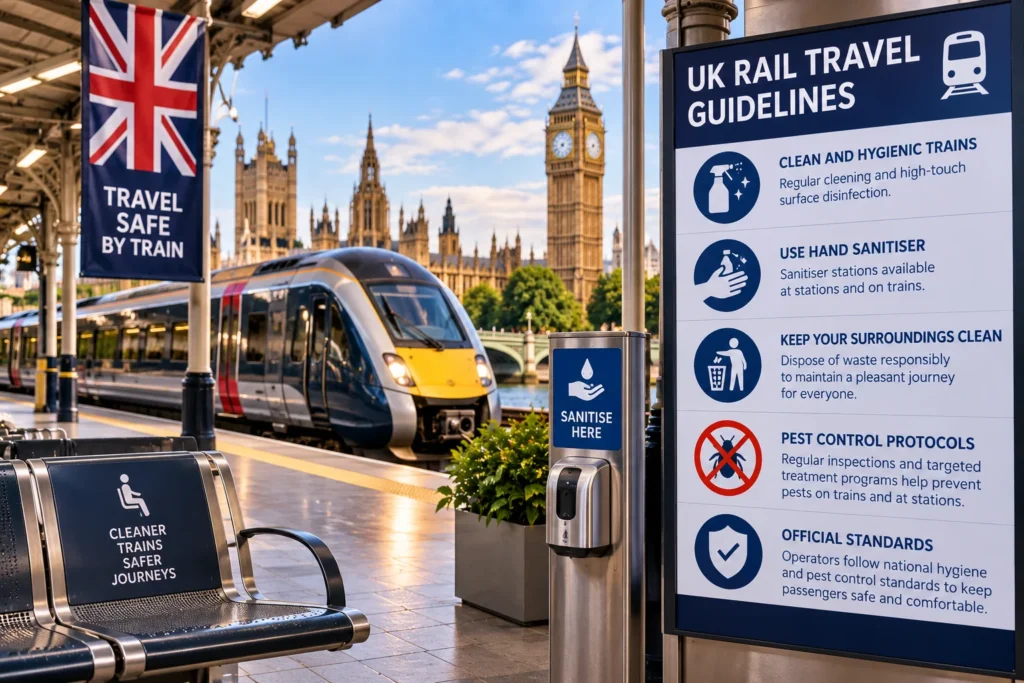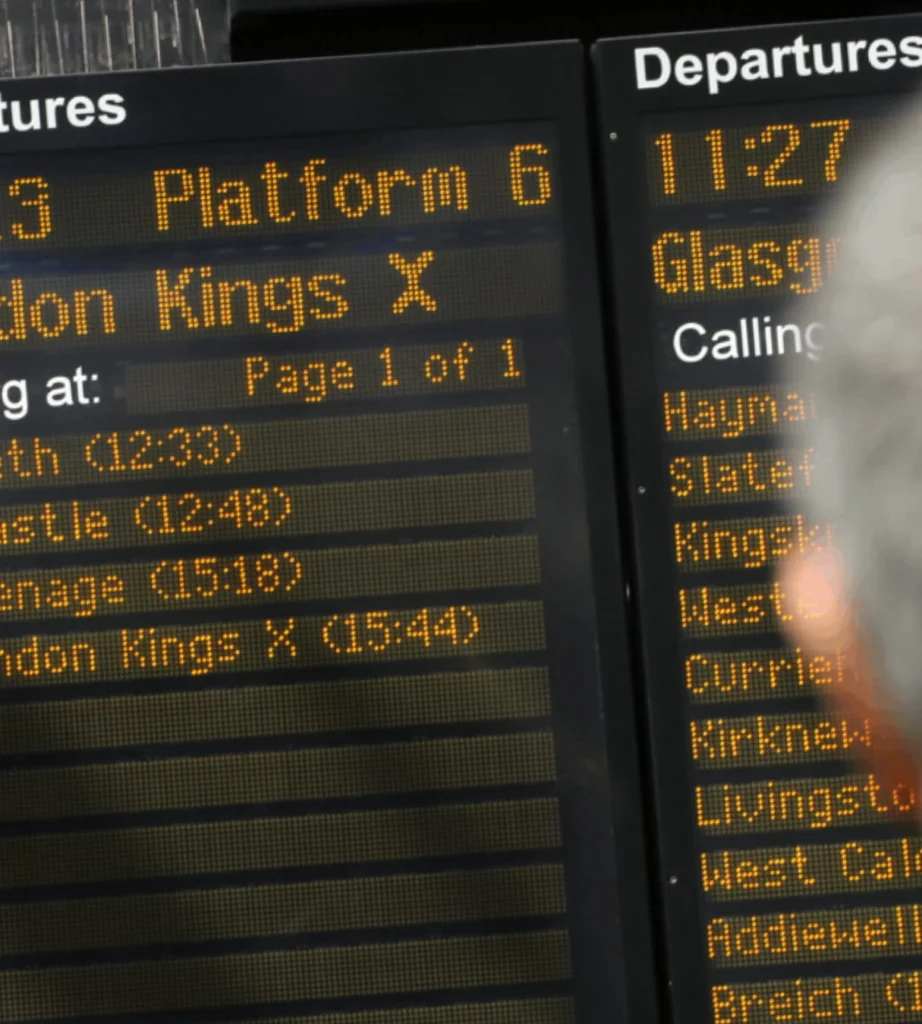
The United Kingdom is preparing for a significant rail network update as nationwide timetable changes come into force on May 17, 2026, bringing revised schedules and service adjustments across England and other parts of Great Britain. The latest National Rail timetable revision, which remains in effect through December 12, 2026, forms part of the rail industry’s established twice-yearly update process designed to improve reliability, passenger connectivity, and network efficiency.
The changes affect a broad range of train operating companies and are expected to influence regional services, intercity routes, and commuter operations across the country. For passengers traveling throughout England and beyond, the revised schedules could alter journey times, connection windows, and travel planning routines during the remainder of the year.
The updated timetable replaces the network schedule that has been in operation since December 2025 and reflects evolving passenger demand patterns as well as ongoing reforms shaping the future of the UK rail sector.
National Timetable Revision Reshapes Rail Operations
The May and December timetable process has long formed the foundation of the UK’s rail planning structure. These scheduled revisions help operators adapt services according to changing travel trends, infrastructure requirements, and seasonal demand shifts.
The May 2026 adjustments arrive during a period of broader transformation across Britain’s rail landscape. Railway authorities and operators continue to refine service planning strategies to improve passenger experiences while strengthening reliability across interconnected routes.
The current timetable review is intended to create more consistent travel patterns and improve coordination among services operating on shared corridors.
Passengers traveling on or after May 17 are being advised to review updated schedules carefully since even small timing modifications may affect onward connections and travel arrangements.
Service Improvements Focus on Passenger Demand
Several changes included within the new timetable seek to align train operations more closely with passenger behavior and travel patterns.
Service coordination remains a major focus area. Across the network, operators are introducing revised departure and arrival times designed to improve consistency and reduce delays. While some adjustments may involve only a few minutes difference, such changes can significantly improve operational performance across heavily used routes.
Regional operators are also implementing modifications intended to support changing commuter requirements.
West Midlands Railway and London Northwestern Railway are introducing additional early-morning services intended to better support passenger demand and create greater flexibility for travelers beginning journeys earlier in the day.
For commuters and business travelers, earlier departures can expand access to employment centers and improve connection opportunities with wider transport networks.
Leisure Travel and Weekend Connectivity Expand
The revised schedules also place increased emphasis on leisure travel demand.
Some operators, including East Midlands Railway, are introducing expanded Sunday services and adjusted frequencies designed to support day trips and weekend travel activity.
Enhanced weekend connectivity could benefit domestic tourism markets across England by providing visitors with additional options for reaching cities, cultural attractions, regional destinations, and leisure experiences.
The timing is particularly relevant as domestic tourism continues to remain a key contributor to regional economies, with rail services frequently serving as an essential transport link between urban areas and tourism destinations.
Improved service availability may also encourage greater use of rail travel for short breaks and regional tourism experiences.
Public Ownership Reforms Continue Across Rail Sector
The timetable adjustments are taking place alongside wider structural reforms across the UK rail industry.
Several train operators have transitioned or are in the process of transitioning into public ownership as part of broader government-led railway reform strategies intended to create a more integrated transport system.
West Midlands Railway and London Northwestern Railway are among operators affected by evolving management structures linked to the long-term Great British Railways strategy.
The objective behind these reforms is to establish stronger coordination between infrastructure and train operations while creating a more passenger-focused railway system.
Authorities continue to emphasize improved integration, simplified planning, and better service delivery as central goals of the transformation process.
Travelers Encouraged to Review Updated Schedules
For passengers, the most immediate impact will involve journey planning.
Daily commuters, students, business travelers, and leisure visitors are encouraged to review revised schedules before departure dates to avoid unexpected disruptions. Small timetable shifts can influence connection times and overall journey durations.
The UK National Rail timetable changes represent more than a routine schedule adjustment. They signal an effort to create a more reliable and responsive railway system that adapts to modern travel patterns while supporting long-term mobility and connectivity goals across England and the broader UK transport network.
For more travel news like this, keep reading Global Travel Wire