Norway, Denmark, the Netherlands and England are helping reshape European tourism as travellers show stronger interest in rail-based journeys.
The shift combines environmental priorities, improving international connections and demand for slower, experience-focused holidays.
Rail is no longer viewed only as transport between two destinations. Scenic routes, city-centre departures and multi-country itineraries are turning train journeys into important parts of the holiday itself.
Aviation remains essential for long-distance travel. However, recent schedule adjustments have highlighted the value of reliable alternatives for shorter journeys.
The UK Department for Transport reported that airlines removed around 1,200 departing passenger flights from schedules between May 3 and June 14, 2026. The number represented less than one percent of planned departures during that period.
The figures did not indicate a collapse in aviation. Instead, they demonstrated how operational and commercial changes can quickly alter passenger plans.
Rail Offers Flexible Alternatives to Short Flights
European rail travel can provide several practical advantages for journeys between nearby countries.
Passengers usually travel between city-centre stations, reducing lengthy transfers to distant airports. Many rail journeys also involve simpler boarding procedures and greater freedom to move during travel.
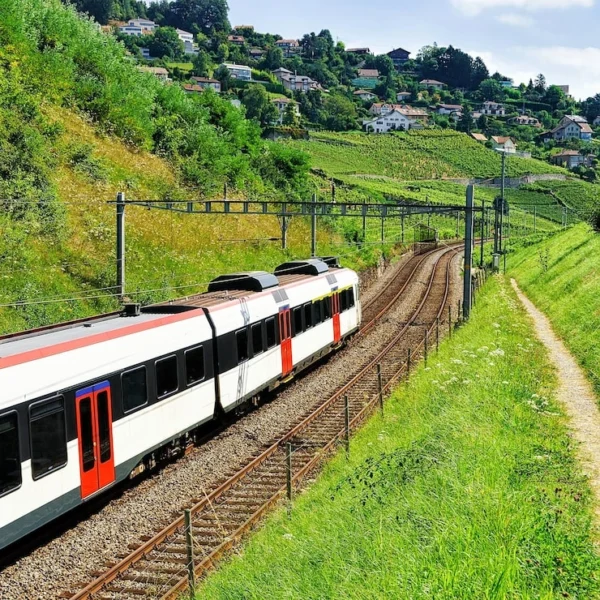
For tourists, trains provide views of changing landscapes, towns and regional communities that remain hidden during flights.
These features support the growth of rail expeditions, where travellers visit several destinations during one longer itinerary.
Popular routes can connect England with France, Belgium and the Netherlands. Northern European journeys can also combine Denmark, Sweden and Norway.
Improved coordination between national networks could make these journeys easier to book and more dependable.
Netherlands Strengthens Green Transport Leadership
The Netherlands holds a strategic position within Europe’s international railway network.
Its railways connect travellers with Belgium, Germany, France and the United Kingdom. Amsterdam, Rotterdam and Utrecht also serve as important points for multi-country itineraries.
The Dutch government describes public transport as an essential part of a cleaner mobility system.
Since 2017, all electric passenger trains in the Netherlands have used green energy. The rail sector has also committed to annual energy-efficiency improvements.
This environmental focus supports the country’s tourism appeal. Visitors can arrive by international train, travel between cities by rail and explore urban areas through extensive cycling networks.
The Dutch public transport vision also aims to improve connections, capacity and passenger convenience by 2040.
These plans could strengthen the Netherlands as a gateway for low-impact European holidays.
Norway Turns Rail Journeys Into Attractions
Norway offers some of Europe’s most distinctive railway experiences.
Its network passes through mountain landscapes, valleys, forests and areas close to famous fjords. Therefore, the journey can become as memorable as the destination.
Norwegian railway planning increasingly examines how long-distance trains can attract more passengers and compete with other transport modes.
Rail can play a particularly valuable role on domestic routes where travellers would otherwise consider flying or driving.
Scenic journeys also match the growth of slow tourism. Many visitors now seek longer stays, nature-based activities and meaningful contact with local destinations.
Norway can combine railway travel with hiking, winter adventures, coastal tourism and regional cultural experiences.
This model allows tourism businesses beyond major cities to benefit from increased visitor movement.
Denmark Connects Rail, Cycling and Urban Mobility
Denmark brings another important dimension to Europe’s greener travel transition.
The country combines efficient public transport with a strong cycling culture. Visitors can arrive by train, explore cities by bicycle and continue their journeys through regional rail services.
Copenhagen demonstrates how trains, metro services, buses and cycling infrastructure can support convenient movement without heavy dependence on private vehicles.
Denmark’s geographical position also makes it essential for connections between continental Europe and Scandinavia.
Railways linking Denmark with Germany and Sweden support cross-border leisure travel. They can also help travellers build itineraries covering Copenhagen, Malmö, Gothenburg and destinations farther north.
This integrated mobility approach creates more choices for visitors while supporting responsible tourism goals.
England Remains a Gateway to Continental Europe
England plays a central role through international rail connections from London.
Direct passenger trains link the British capital with Paris, Brussels and Amsterdam. These services provide alternatives to aviation on some of Europe’s busiest travel corridors.
Rail passengers can depart from central London and arrive near the heart of major continental cities.
This can reduce transfer times and make short breaks more practical. It also supports multi-destination holidays involving several countries.
England’s aviation sector will remain vital for global connectivity. However, stronger rail options can improve transport resilience and give travellers greater flexibility.
The combination of international trains, domestic railways and aviation could create a more balanced travel system.
Cross-Border Rail Creates Multi-Country Holidays
European governments are working to address barriers affecting international passenger rail.
A Netherlands-led cooperation platform focuses on ticketing, capacity, rolling stock and important international corridors.
Official updates show that international rail services are growing, although passengers still face challenges involving reliability, frequency and booking systems.
Solving these issues could encourage more travellers to replace selected short flights with train journeys.
It could also support new tourism products involving rail passes, overnight services, cycling holidays and regional accommodation.
Hotels located near stations may gain new guests. Restaurants, attractions and local tour operators could also benefit as passengers stop in destinations beyond traditional aviation hubs.
Greener Journeys Define Europe’s Travel Future
Europe’s rail expansion does not represent the end of air travel.
Instead, it signals a more diverse tourism system where travellers choose the most suitable transport for each journey.
Aviation will continue connecting distant regions. Rail can increasingly serve shorter international routes and scenic domestic journeys.
Norway contributes extraordinary landscapes. Denmark offers integrated mobility. The Netherlands provides green transport leadership, while England connects millions of passengers with continental Europe.
Together, these countries show how rail can support cleaner mobility, tourism growth and more memorable journeys.
Europe’s next travel era may not focus only on reaching destinations faster. It may also encourage visitors to experience more places along the way.
For more travel news like this, keep reading Global Travel Wire