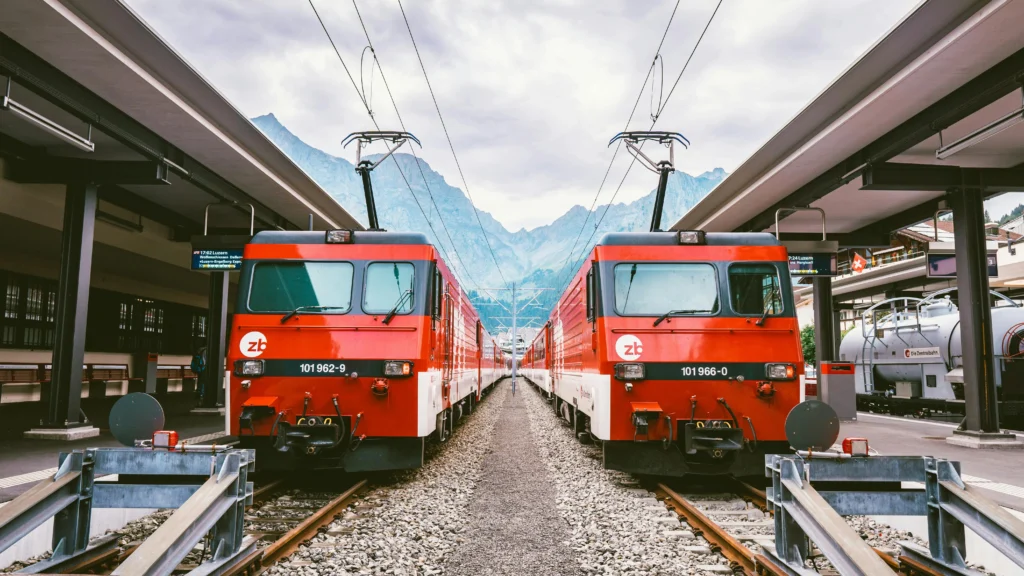
Embarking on a classic rail journey through Europe is one of the most romantic and culturally enriching ways to experience the continent. From watching the sun set over the rolling vineyards of the Rhineland to watching alpine peaks pass by from a high-speed carriage, train travel offers an intimate window into regional heritage. Yet, despite Europe possessing one of the most geographically advanced rail networks in the world, coordinating an international trip involving multiple rail companies has historically been a confusing digital puzzle.
This fragmentation is on the verge of a historic transformation. The European Commission has officially adopted a landmark legislative initiative known as the Passengers Package, specifically engineered to dismantle the market barriers that isolate individual railway companies. Aimed at creating a seamless, transparent, and consumer-friendly transit landscape across all 27 member states, this sweeping policy shift will allow global tourists and daily commuters alike to purchase extensive, multi-leg journeys across national lines through a single commercial transaction.
Dismantling Fragmented Networks and Biased Booking Platforms
Official monitoring reports published by the European Union highlight that while cross-border vacationers are eager to choose sustainable transportation, the current booking ecosystem frequently discourages them. At present, many dominant state-backed rail operators prioritize their proprietary routes, actively hiding or distorting the ticket availability of competing or smaller regional services on their websites. This lack of market transparency forces travelers to jump between multiple foreign-language platforms, struggling to compare prices, transfer times, and scheduling alignments.
The newly introduced regulations directly address this anti-competitive behavior. Under the proposed framework, all digital ticketing services and railway undertakings will be legally mandated to enter into fair, reasonable, and non-discriminatory commercial agreements with one another. This data-sharing requirement means that independent booking applications and operator websites must display all available travel paths neutrally.
To help eco-conscious holidaymakers make informed destination choices, platforms will also incorporate standardized features to sort travel options by estimated greenhouse gas emissions. Furthermore, if a dominant railway enterprise commands a market share of 50% or greater within its domestic territory, it will be legally required to host and sell the tickets of its direct rivals upon request, paving the way for a highly competitive and consumer-centric European marketplace.
Focus Keyword: Passenger Rights and Safeguards for Multi-Leg Journeys
The definitive cornerstone of this infrastructure overhaul is the comprehensive elevation of rail passenger rights. Historically, one of the primary deterrents for choosing long-distance rail travel over regional aviation has been the persistent fear of missed transfers. If a traveler purchased separate tickets from different operators to complete a multi-leg journey—such as a trip transiting from Paris through Brussels into Amsterdam—and the first train suffered an unexpected delay, the passenger possessed limited legal protection. They were frequently left stranded at the transfer station, entirely responsible for purchasing an expensive replacement ticket out of pocket.
The new European Commission regulation permanently rewrites these guidelines by introducing an ironclad single ticket classification. When a multi-operator itinerary is purchased within a single online transaction, it can no longer be segmented into separate, isolated legal contracts. This combined ticket automatically guarantees passengers full structural protection for the entirety of their journey.
Should an initial delay cause a tourist to miss a subsequent connection operated by a completely different rail company, the traveler will benefit from immediate, legally mandated assistance. This includes free rerouting to their final destination, dedicated on-site support, and comprehensive reimbursement or financial compensation for the total delay incurred. To ensure these protections remain practical, the law dictates that ticketing platforms must respect strict minimum connection times, giving passengers a reasonable, stress-free window to navigate station platforms comfortably.
Understanding the Realities of Contemporary Rail Bookings
The urgent necessity for a unified digital infrastructure is backed by extensive, verified public surveys. According to a recent Eurobarometer statistical release, a staggering 43% of surveyed European travelers actively avoid booking multi-operator rail journeys due to the sheer complexity of coordinating the logistics. Additionally, more than a third of respondents indicated severe difficulty when attempting to organize multimodal travel, such as transitioning from an international flight hub to a regional train terminal.
A practical example of this operational friction can be observed when planning a late-spring journey from the historic streets of Budapest, Hungary, to the vibrant cultural neighborhoods of Berlin, Germany. A traveler attempting to book this route currently faces wild pricing fluctuations, with identical paths swinging from an affordable €47 to well over €130 depending on which national platform they access. Furthermore, journey times vary dramatically between a streamlined 12-hour direct route and an exhausting 16-hour trek that requires four or five separate transfers across unfamiliar stations.
By mandating that railway operators publish their schedules and ticket access at least five months in advance of operation, the European Union is instilling a profound sense of certainty into the travel planning process. Discerning globetrotters will finally possess the ability to contrast routes, lock in competitive early-bird pricing, and secure their seating arrangements well ahead of peak holiday seasons.
A Greener Horizon for Continental Travel
As the legislative package moves through the ordinary legislative procedure toward formal ratification by the European Parliament and the Council of the European Union, the horizon for European tourism looks remarkably bright. By blending digital innovation with robust consumer protections, the continent is ensuring that its magnificent high-speed lines and historic regional tracks become as intuitive to utilize as a single domestic flight.
This unified ticketing ecosystem honors the fundamental European value of freedom of movement, proving that borders should be invisible not only on a physical map, but on a travel itinerary as well. For the global community of explorers, the future of discovering Europe is officially just a single click away.
For more travel news like this, keep reading Global Travel Wire