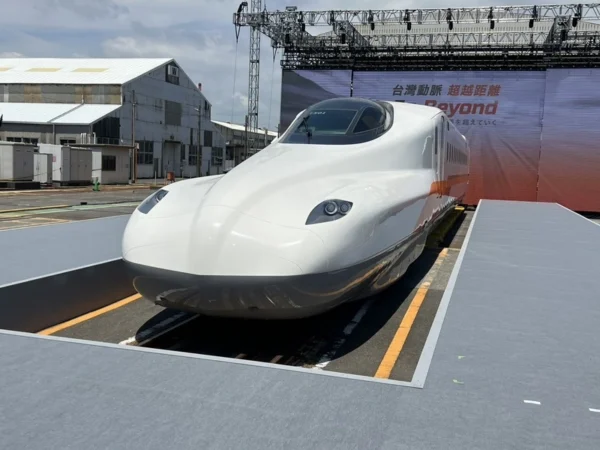
Taiwan High Speed Rail is preparing to introduce its new N700ST trains, marking its most significant rolling-stock upgrade since high-speed passenger services began in 2007.
The first completed train is scheduled to arrive at Kaohsiung Port on August 15, 2026, following shipment from Japan. It will then undergo static inspections, dynamic trials and operational testing before approval for commercial passenger service.
The new generation is expected to begin regular operations in 2027. It will retain the network’s maximum operating speed of 300 kilometres per hour while introducing improved safety, energy efficiency, accessibility and passenger comfort.
Taiwan High Speed Rail has ordered 12 new 12-car trainsets under an agreement with the Hitachi Toshiba Supreme Consortium. The fleet investment will help the operator respond to rising passenger demand and modernize a railway that has become central to domestic tourism and business travel.
N700ST Is Designed Specifically for Taiwan
The N700ST is based on Japan’s N700S Shinkansen platform but has been adapted to suit Taiwan’s railway environment and operational requirements.
The letter “T” represents Taiwan, continuing the naming approach used for the existing 700T fleet. Its exterior also carries forward the visual identity of the original trains through a white body combined with distinctive orange and black lines.
Although the design reflects the current fleet, the technology represents a major step forward. The N700ST offers a lighter structure, stronger performance, better energy efficiency and improved vibration control.
The trains are also designed to provide greater operational stability and reliability. These capabilities will support safe services along Taiwan’s heavily used western transport corridor.
Modern Cabins Improve Passenger Comfort
Passengers will notice some of the most important upgrades inside the new trains.
Full-colour LCD information displays will provide clearer journey updates. Arrival lighting will offer additional visual notifications as trains approach stations, helping passengers prepare to leave the carriage.
Seats will include charging facilities, allowing travelers to keep phones, tablets and other personal devices powered during their journeys.
Improved noise and vibration reduction will create quieter cabins. This will benefit commuters, families and tourists traveling between Taiwan’s major cities.
The new seating has also been designed to provide a more supportive and enclosed passenger experience. Business-class interiors will use calm, refined colours, while standard-class cabins will continue the recognizable visual style of the existing fleet.
Larger Storage Supports Modern Travelers
Expanded luggage capacity will be another important improvement for tourism passengers.
The N700ST trains will feature double-level luggage racks, providing more space for suitcases and personal belongings. This responds to changing travel patterns as more passengers use the railway for airport connections, domestic holidays and multi-city itineraries.
Taiwan’s high-speed rail network links major destinations along the island’s western corridor, including Taipei, Taichung, Tainan and Kaohsiung.
Visitors frequently use the service to combine cities within a single trip. Better luggage facilities can make these journeys easier, particularly for international tourists carrying larger bags.
Improved storage may also reduce congestion around seats and carriage entrances, creating a more comfortable environment during busy travel periods.
Accessibility Becomes a Central Priority
The N700ST fleet will introduce significant accessibility improvements.
Each train will provide six wheelchair spaces equipped with dedicated restraint systems. These additions will help passengers with reduced mobility travel more comfortably and securely.
The trains will also include improved facilities for parents and young children. A dedicated breastfeeding and milk-expressing room will feature a washbasin, clothing hooks and an infant seat.
Standard toilets will include baby-changing tables or child seating where appropriate. These facilities reflect growing demand for inclusive rail services that support travelers with different needs.
Improved accessibility can strengthen Taiwan’s appeal to families, older visitors and travelers with mobility requirements.
Testing Will Begin After Kaohsiung Arrival
The first N700ST will not immediately enter passenger service after reaching Taiwan.
Taiwan High Speed Rail will conduct detailed examinations to ensure that the train integrates safely with the existing network. Testing will cover stationary systems, running performance and compatibility with railway infrastructure.
Operational teams will also prepare for the new fleet through technical training and maintenance planning.
This certification process is essential because the trains must meet Taiwan’s safety and operating standards before carrying passengers.
The phased introduction means travelers will see the new trains gradually added to schedules rather than receiving immediate increases in capacity.
High-Speed Rail Supports Tourism Connectivity
Taiwan’s high-speed railway extends approximately 345 kilometres along the island’s western side. Since opening in 2007, it has transformed travel between major economic centres and visitor destinations.
Fast rail connections allow tourists to combine cultural attractions, culinary experiences, shopping districts and regional gateways without relying on domestic flights or long road journeys.
The railway also supports hotels, restaurants, attractions and local transport providers by distributing visitors between cities.
Modern trains can strengthen this role by improving reliability, comfort and accessibility while supporting more sustainable domestic mobility.
New Fleet Signals High-Speed Rail 2.0
The arrival of the N700ST represents a new chapter for Taiwan’s transport system and continued railway cooperation between Taiwan and Japan.
The existing 700T fleet has served the network for nearly two decades. The new trains will build on that foundation while responding to modern passenger expectations.
With quieter cabins, charging facilities, larger luggage areas, clearer information systems and enhanced accessibility, the N700ST will offer a more inclusive and convenient travel experience.
As testing progresses toward the planned 2027 service launch, Taiwan High Speed Rail is positioning the network for its next phase of tourism growth, passenger demand and sustainable intercity travel.
For more travel news like this, keep reading Global Travel Wire