Thailand is accelerating its transformation of rail travel into a premium tourism experience, using luxury sightseeing trains, themed journeys and scenic routes to attract high-spending international visitors while spreading tourism revenue beyond Bangkok and the country’s established resort centres.
The strategy brings together the Ministry of Transport, the State Railway of Thailand, tourism authorities and private-sector partners. Instead of treating trains only as a way to move passengers between cities, Thailand is positioning selected services as complete travel experiences combining landscape, culture, hospitality and destination discovery.
The initiative supports the country’s wider tourism vision for 2026, which places stronger emphasis on high-value experiences, regional connectivity and new routes by land, rail, sea and air. Luxury and themed trains are expected to play a growing role in connecting major gateways with secondary cities, heritage communities and emerging destinations.
Royal Blossom Demonstrates the Tourism Potential
The State Railway of Thailand’s Royal Blossom service provides a clear example of the direction the country is taking.
Created from Japanese Hamanasu passenger carriages donated by JR Hokkaido, the train was extensively refurbished in Thailand. Its interiors feature upgraded seating, velvet upholstery, warm lighting, power connections and decorative details intended to create a more elegant sightseeing environment.
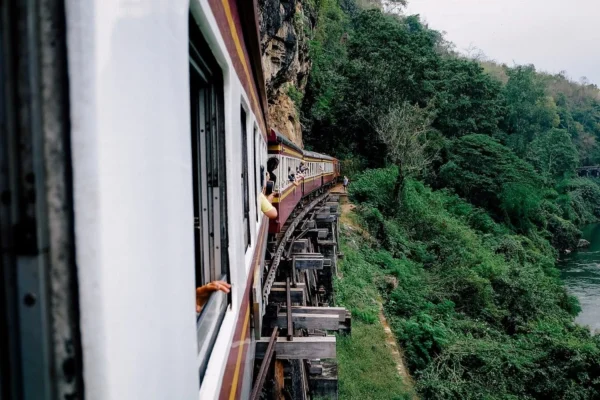
The train has been designed for domestic and international tourists seeking a journey where the route itself becomes part of the attraction. Rather than simply reaching a destination as quickly as possible, passengers can experience rice fields, rivers, temples, historic stations and rural communities from a comfortable onboard setting.
Thailand’s rail authority has also identified community benefits as an important objective. Tourist trains can create income for local guides, restaurants, artisans, transport providers and businesses near railway stations, particularly in provinces that receive fewer international visitors.
Scenic Routes Can Disperse Visitor Spending
Thailand’s existing railway network provides access to a wide range of tourism environments, including northern mountains, Gulf of Thailand beaches, historic river landscapes and southern gateways.
Potential premium itineraries linking Bangkok with Chiang Mai could highlight temples, regional cuisine, traditional crafts and northern cultural heritage. Coastal services toward Hua Hin can combine rail travel with beach resorts, wellness retreats and culinary experiences.
Kanchanaburi offers another strong rail-tourism proposition. The province is already accessible through popular sightseeing trains and is known for river scenery, historic sites and surrounding natural attractions. An upgraded luxury journey could encourage travellers to remain overnight rather than treating the destination as a short day trip.
Southern routes could connect Bangkok with Surat Thani and onward island travel, while future services may support journeys toward border provinces and regional transport corridors.
By extending visitor stays across several locations, these routes can help reduce pressure on heavily visited urban and island destinations while increasing tourism spending in provincial economies.
Slow Travel Becomes a Premium Experience
The luxury-train push reflects a wider shift in international tourism. Increasing numbers of travellers are seeking slower journeys that provide time to understand local culture rather than rushing between airports and attractions.
Premium rail services can respond with curated meals, storytelling, guided excursions and themed itineraries built around heritage, wellness or regional cuisine. Travellers may spend several days combining time onboard with carefully selected stops in communities and historic towns.
This format gives Thailand an opportunity to unite two of its strongest tourism assets: internationally recognised hospitality and diverse regional culture.
Instead of competing directly with airlines on speed, luxury trains can compete through atmosphere, exclusivity and memorable experiences.
Public-Private Partnerships Drive Service Quality
Private hospitality and tourism companies are expected to play a major role in developing the market. Their expertise can support cabin design, onboard dining, customer service, itinerary planning and international promotion.
Government agencies provide railway infrastructure, regulation and destination coordination, while private operators can introduce hotel-level service standards and specialist travel products.
This model could also attract partnerships with luxury brands, chefs, wellness providers and cultural organisations. A train journey could therefore become a moving showcase of Thai cuisine, craftsmanship, music and design.
However, long-term success will depend on maintaining reliability, safety and consistent service quality. Premium travellers paying for exclusive journeys will expect smooth bookings, punctual operations, multilingual assistance and carefully managed ground excursions.
Supporting Sustainable and Regional Tourism
Rail tourism also aligns with Thailand’s efforts to develop more sustainable visitor mobility. Trains can provide an alternative to some short domestic flights and long road transfers while encouraging travellers to explore several destinations within a single itinerary.
The strategy may eventually complement wider regional rail development linking Thailand with Laos, Malaysia, China and other parts of Southeast Asia. Although high-speed and cross-border projects remain separate from individual luxury services, improved infrastructure can create future opportunities for premium international rail journeys.
Thailand could ultimately become a central hub for multi-country slow-travel experiences across mainland Southeast Asia.
A New Revenue Opportunity for Thai Tourism
Luxury trains are unlikely to replace mass-market air or road transport. Their value lies in attracting a smaller but higher-spending segment seeking distinctive experiences.
These travellers often spend more on accommodation, dining, guided activities, wellness and local products. Multi-day rail journeys can also increase average length of stay and direct spending toward communities outside major tourism centres.
Thailand’s luxury train expansion therefore represents more than a transport upgrade. It is a tourism-development strategy designed to turn scenic routes into revenue-generating destinations.
By combining rail infrastructure with hospitality, culture and regional exploration, Thailand is positioning itself to become one of Southeast Asia’s leading premium slow-travel hubs.
For more travel news like this, keep reading Global Travel Wire