As of 2026, India is solidifying its role as a premier destination for international tourism by hosting large-scale international exhibitions, expanding its aviation network, and experiencing growing demand for outbound travel. Major industry events such as OTM and SATTE, expanding airline networks, luxury travel segments, and the anticipated influx of international travelers to India have led to increased focus on development in the Indian market by international tourism boards, airlines, hotel brands, and travel providers.
The Indian travel and tourism industry is experiencing unmatched momentum, with increasing numbers of travelers visiting destinations both within India and internationally. Many industry analysts feel that India’s growing middle-class population, increased air travel connections, adoption of e-travel, and higher levels of disposable income have fueled the country’s tourism boom like never before.
One of the biggest indicators of India’s growing influence in tourism is the success of major travel trade exhibitions held across the country. The Outbound Travel Market (OTM) 2026 in Mumbai attracted over 2,200 exhibitors from more than 60 countries, as well as thousands of travel professionals and tourism stakeholders. The event highlighted India’s growing importance in leisure travel, corporate tourism, luxury tourism, weddings, cruises, and MICE tourism.
Similarly, SATTE 2026, held in New Delhi, positioned India as a USD 125 billion tourism opportunity and brought together international tourism organizations, airlines, travel technology companies, hospitality brands, and destination management firms on a single platform. Tourism leaders emphasized that India’s outbound travel demand is becoming increasingly valuable for global destinations targeting high-spending travelers.
The rapid expansion of the aviation sector in India is also playing a critical role in supporting tourism growth. Airlines such as Air India, IndiGo, Akasa Air, and international carriers are continuously increasing routes, frequencies, and connectivity between India and major global destinations. New airport developments, infrastructure modernization, and regional connectivity initiatives are further strengthening the country’s travel ecosystem.
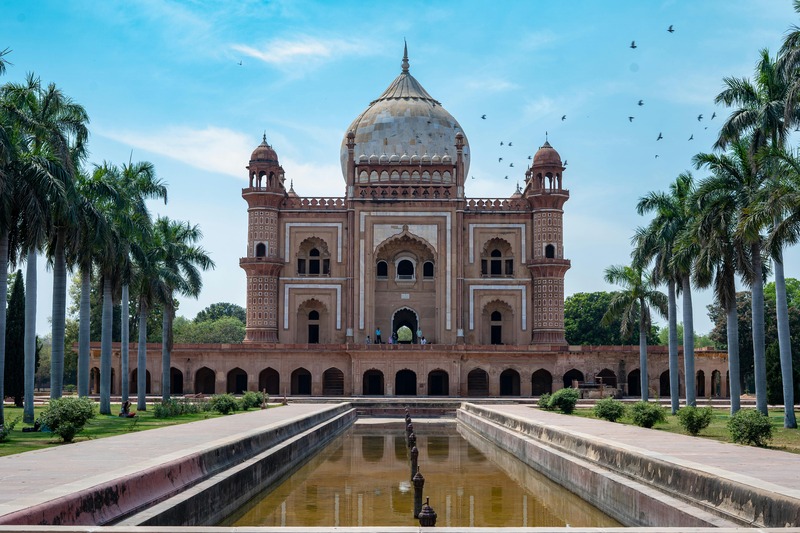
India’s domestic tourism sector is also experiencing strong growth, with destinations like Kashmir, Goa, Jaipur, Varanasi, Ladakh, Kerala, and the Northeast continuing to attract significant visitor footfall. Heritage tourism, spiritual tourism, eco-tourism, wellness travel, and experiential tourism are becoming increasingly popular among both Indian and international travelers.
The rise of luxury travel in India is another major trend transforming the tourism sector. High-net-worth travelers are increasingly opting for premium experiences, luxury resorts, private aviation, curated wellness retreats, destination weddings, and exclusive international holidays. Industry analysts believe luxury tourism spending from India will continue rising sharply over the next few years.
Travel technology is also reshaping the future of Indian tourism. AI-driven personalization, digital booking platforms, travel fintech, smart airports, and data-driven tourism marketing are enabling travel brands to improve customer experiences while expanding their reach across Tier-2 and Tier-3 cities. Experts believe India’s digital-first travel behavior is becoming a major growth driver for the global tourism economy.
Meanwhile, international destinations are aggressively targeting Indian travelers through visa relaxations, tourism campaigns, airline partnerships, and destination marketing collaborations. Countries across Europe, Southeast Asia, the Middle East, and North America are increasingly viewing India as a high-priority tourism market because of its massive outbound travel potential.
The stakeholders in the tourism sector believe that India’s growing impact will continue to shape the future of international tourism through 2026 and beyond. With a developed infrastructure, an expanding airline network, growing travel ambitions, and a growing number of international partnerships, India’s destination will continue to evolve quickly into not only a tourist destination but also an international travel powerhouse shaping the future of global travel.