Europe is entering a new era of rail travel in 2026 with a wave of high-speed and sleeper train launches set to connect major cities including Berlin, Copenhagen, Paris, Munich, Brussels, Prague, Milan and Bratislava. The new services, scheduled across May and December, reflect a continent-wide push to make international journeys faster, easier and more sustainable while reducing dependence on short-haul flights.
For travelers, the expansion promises more direct routes, fewer airport hassles and greater flexibility for multi-country itineraries. For tourism boards, hotels and regional economies, stronger rail access could unlock new visitor flows and boost demand across both major capitals and secondary destinations.
New High-Speed Routes Launching in May 2026
The first major wave begins in May with new daytime and premium services across Central and Northern Europe.
A flagship direct route linking Prague, Berlin and Copenhagen launches on May 1, offering a one-seat journey between three important capitals. Operated by modern ComfortJet trains, the service is expected to include onboard dining, Wi-Fi and family-friendly features that raise standards for long-distance daytime travel.
On May 2, a luxury rail product from Paris to the Amalfi Coast will target premium leisure travelers seeking slow travel experiences with high-end hospitality. The route includes a curated stay in Positano, blending transport and tourism into a single experience.
Then on May 4, a new Snälltåget daytime train will connect Stockholm, Copenhagen and Hamburg, creating a same-day travel corridor across Sweden, Denmark and Germany. That service could strengthen both tourism and business mobility across Northern Europe.
December Brings Long-Distance Expansion
The second phase arrives in December 2026 with several major long-distance and overnight launches.
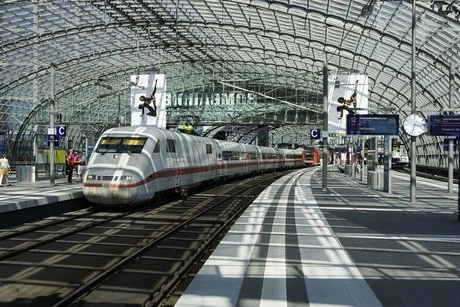
One of the most significant is the new Paris–Munich high-speed route, expected to reduce travel times to around 4 hours 40 minutes and operate at least five times daily. That places rail in a highly competitive position against air travel on one of Europe’s busiest international corridors.
An overnight Ostend–Bratislava service is also planned from December 13, crossing Germany and the Czech Republic while linking Western Europe with Central Europe through a lower-carbon sleeper option.
Meanwhile, European Sleeper is preparing a new Brussels–Milan route via Germany and Switzerland, operating three times weekly. The service will allow passengers to travel overnight and arrive in northern Italy without losing daytime hours.
Why This Matters for Tourism
Transport access is one of the strongest drivers of tourism demand. When journeys become simpler and faster, destinations often gain more visitors, longer stays and higher spending.
The new rail network could encourage city-hopping trips that combine Berlin with Prague, Paris with Munich or Brussels with Milan. Overnight trains also appeal to travelers seeking efficient travel that replaces a hotel night while reducing transit stress.
For smaller cities on intermediate routes, improved accessibility can generate valuable exposure and visitor growth that might otherwise concentrate only in large capitals.
Rail vs Flying: A Changing Travel Choice
Europe’s rail boom comes as environmental awareness reshapes travel decisions. High-speed trains and sleeper services generally offer lower emissions per passenger than short-haul aviation, particularly when powered by increasingly cleaner electricity grids.
As a result, many travelers now compare not only price and speed, but also carbon impact, station convenience and total journey time.
With city-center to city-center travel and fewer security delays, rail is becoming more competitive on medium-distance routes.
Better Technology and Easier Borders
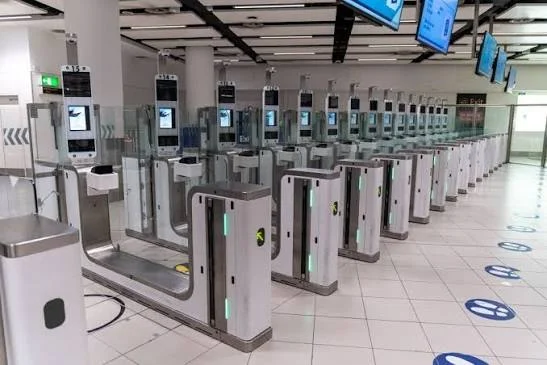
The 2026 expansion is also supported by improving interoperability across Europe. New regulatory frameworks are helping simplify cross-border operations, including train staffing and certification processes.
That matters because infrastructure alone is not enough. Seamless international travel depends on trains being able to move across borders without unnecessary delays, operator conflicts or administrative bottlenecks.
The smoother the systems behind the scenes, the better the experience for passengers.
Economic Benefits Beyond Stations
Stronger rail links often create benefits far beyond the transport sector. Hotels gain easier access to source markets, restaurants see more visitors, convention cities attract events and attractions benefit from increased footfall.
Business travel also stands to gain, especially on routes such as Paris–Munich and Berlin–Copenhagen where same-day return trips become more practical.
Looking Ahead
Europe’s 2026 rail expansion is more than a timetable update. It is a strategic shift toward connected, lower-emission and traveler-friendly mobility across the continent.
For passengers, it means more destinations and smoother journeys. For tourism economies, it opens new markets and stronger regional links. And for Europe, it confirms that rail is no longer just an alternative to flying—it is increasingly becoming the preferred way to travel.
For more travel news like this, keep reading Global Travel Wire