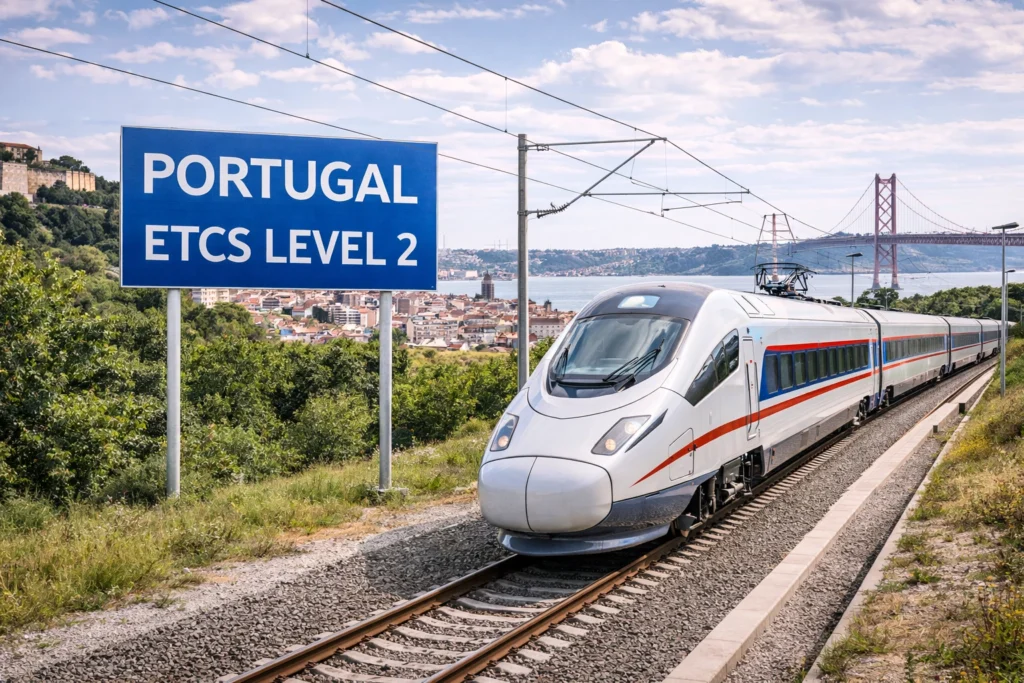
Portugal is entering a new era of rail travel after plans to introduce ETCS Level 2 technology across key lines signaled a major step forward for national and cross-border connectivity. The modernization project is expected to improve speed, safety and reliability while strengthening Portugal’s links with the wider European rail network.
For travelers, the changes could make rail a far more attractive way to explore Lisbon, Porto, Faro and regional destinations. For tourism, the project supports a greener future where visitors can move across Portugal and Europe with greater ease.
As demand grows for sustainable travel, the Portugal rail revolution arrives at a crucial moment.
What ETCS Level 2 Means for Travelers
ETCS, or the European Train Control System, is designed to modernize train operations through advanced signaling and digital traffic management.
In practical terms, that means trains can run more efficiently, maintain stronger safety standards and deliver more reliable schedules. Better signaling can also support faster journeys and improved capacity on busy corridors.
For passengers, the biggest benefits are simple: fewer delays, smoother trips and more confidence when planning rail travel.
That matters for both daily commuters and international visitors moving between cities.
Faster Connections Across Portugal
Portugal’s leading urban routes stand to gain significantly from the upgrade.
Travel between Lisbon, Porto and Faro could become more competitive with domestic flights and long road journeys as reliability improves and journey times become more attractive.
That shift can encourage visitors to see more of the country in one trip. A traveler arriving in Lisbon may feel more confident adding Porto’s riverside culture or the Algarve’s beaches to the same itinerary.
When transport becomes easier, destination choice expands.
Stronger Links With Europe
The project also supports Portugal’s integration with the broader European rail system.
Modern signaling standards help international routes operate more smoothly across borders, reducing technical barriers that historically slowed rail development between countries.
That creates stronger opportunities for multi-country journeys linking Portugal with Spain and beyond.
For tourists, seamless travel between Lisbon and Madrid could become increasingly attractive. Rail passengers often value city-center arrivals, simpler baggage rules and the comfort of direct journeys over short-haul flights.
As Europe promotes rail alternatives, Portugal is positioning itself to benefit.
A Win for Sustainable Tourism
One of the biggest long-term advantages of the Portugal rail revolution is environmental impact.
Rail travel generally produces lower emissions than many short-haul flights or private car journeys. As more travelers seek lower-carbon holidays, modern rail systems become a powerful tourism asset.
Portugal’s scenic geography makes this especially relevant. Visitors can travel through vineyards, coastline landscapes and historic towns while reducing the footprint of their journey.
That combination of experience and sustainability holds strong appeal in today’s market.
Better Access to Regional Destinations
The benefits will extend beyond the largest cities.
Improved rail reliability can bring fresh attention to regions such as the Douro Valley, Alentejo and inland heritage towns that often receive fewer visitors than Lisbon or Porto.
When smaller destinations become easier to reach, tourism can spread more evenly across the country. That helps reduce overtourism pressure in major hotspots while creating economic opportunities elsewhere.
Hotels, restaurants, wineries and local attractions may all gain from stronger rail accessibility.
Comfort and Convenience Matter Too
Modern rail growth is not only about speed. Passenger experience also plays a major role.
Reliable timetables, comfortable seating, city-center stations and the ability to move freely during the journey make train travel attractive for leisure passengers.
Families often appreciate easier boarding. Business travelers value productive travel time. Couples and solo explorers enjoy scenic routes without the stress of driving.
When the overall experience improves, rail can win travelers who previously defaulted to flying.
Impact on Portugal’s Tourism Industry
Tourism remains one of Portugal’s most important economic sectors, and transport quality directly shapes visitor demand.
A stronger rail network can support longer stays, more regional exploration and higher overall spending. Travelers who can move easily between destinations often book additional nights, extra tours and broader itineraries.
That ripple effect benefits hospitality businesses nationwide.
For inbound markets across Europe, rail may also become a deciding factor when comparing short-break destinations.
Why This Is a Strategic Moment
Across Europe, governments and transport operators are investing in cleaner mobility. Portugal’s move aligns with that broader trend and shows how infrastructure can support both climate goals and tourism growth.
Rather than treating transport and tourism separately, the new strategy links them together.
Better trains do not only move people faster. They also reshape where visitors go, how long they stay and how sustainably they travel.
Outlook
The rollout of ETCS Level 2 marks a significant milestone in Portugal’s transport future.
As the project advances, travelers can expect smoother domestic journeys, stronger links with Europe and greater access to the country’s diverse destinations. From Lisbon’s historic streets to Porto’s riverfront and the Algarve’s coastline, Portugal could soon feel closer, faster and easier to explore than ever before.
For the travel industry, the message is clear: Portugal’s rail revolution has begun, and tourism stands to benefit every mile of the way.
For more travel news like this, keep reading Global Travel Wire