South Korea is strengthening its position as one of Asia’s most dynamic travel destinations, driven by the global rise of K-culture and supported by fast-evolving travel technology. Millions of international visitors now choose the country not only for sightseeing, but for immersive experiences linked to music, film, fashion, food, and lifestyle.
The country welcomed 16.37 million visitors in 2024, marking strong year-on-year growth, with arrivals rising further to 18.9 million in 2025. Those figures highlight more than recovery. They show a structural shift in how global travelers select destinations.
At the center of this transformation is the growing connection between cultural demand and digital convenience, with Yanolja emerging as a key player in shaping the next phase of tourism growth.
K-Culture Is Reshaping Travel Choices
South Korea’s cultural influence now reaches far beyond entertainment screens.
K-pop concerts, fan events, and live performances draw visitors from around the world. Meanwhile, hit dramas and films inspire travel to neighborhoods, cafés, and filming locations that fans want to experience in person.
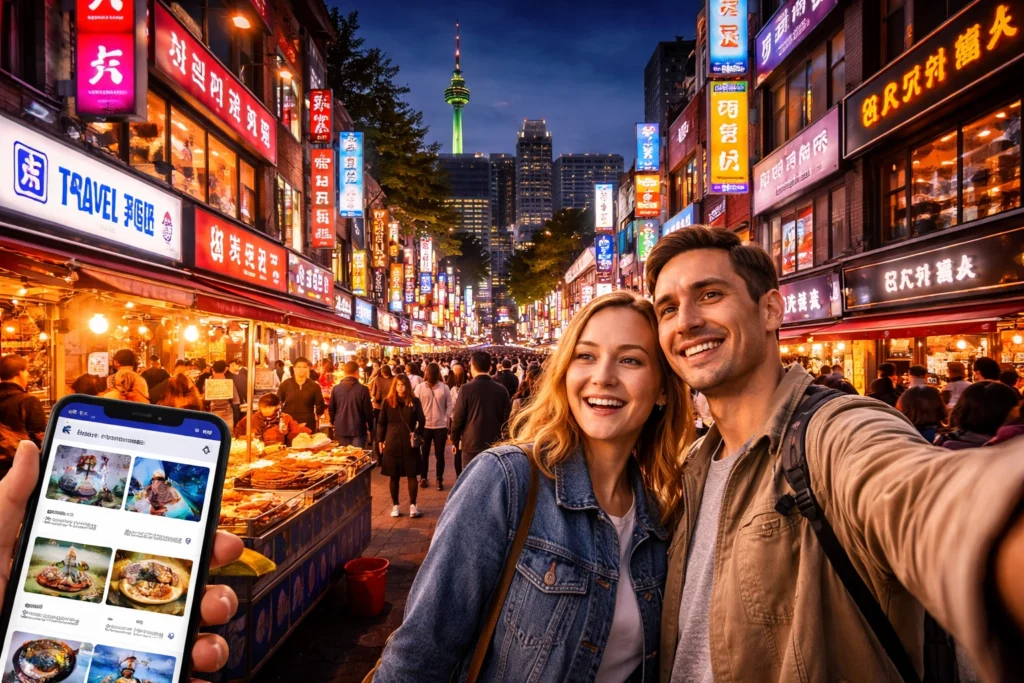
This trend has helped transform districts such as Hongdae and Seongsu into must-visit hotspots for international travelers seeking creativity, style, and local energy.
Instead of focusing only on monuments or traditional landmarks, many visitors now want to live the culture they admire online.
That shift reflects a broader evolution in tourism where lifestyle and participation matter as much as sightseeing.
Experience-Led Tourism Gains Momentum
Modern travelers increasingly value what they can do, feel, and share during a trip.
In South Korea, that means attending concerts, booking beauty experiences, exploring design districts, trying trending cafés, joining fan communities, and discovering local neighborhoods with authentic character.
These experiences create emotional connection and often generate stronger travel memories than passive sightseeing.
As a result, South Korea has become a leading example of experience-driven tourism, where visitors engage directly with the destination’s everyday culture.
This model also encourages longer stays and repeat visits because travelers often return for new events, seasonal trends, or evolving cultural scenes.
Yanolja Connects Culture With Convenience
As demand grows, access becomes just as important as attraction.
Yanolja’s consumer platform, NOL, brings together travel and lifestyle experiences in one digital ecosystem. Users can browse and book concerts, musicals, sports events, dining, wellness services, and other experiences alongside travel needs.
That integration simplifies planning for international visitors who may otherwise face language barriers, fragmented booking systems, or limited access to local platforms.
For many travelers, these experiences are no longer optional extras. They are the main reason for visiting South Korea.
By reducing friction and improving discoverability, technology helps convert cultural interest into real travel demand.
Why Travel Infrastructure Matters
Behind the excitement of concerts and city neighborhoods lies a major operational challenge: fragmentation.
Across global tourism, hotels, attractions, booking channels, and suppliers often operate in separate systems. That can slow growth, complicate distribution, and create friction for both businesses and travelers.
Yanolja has focused on building infrastructure that links providers, demand channels, and customer data more efficiently.
This approach helps travel businesses manage inventory, connect with international markets, and improve booking performance in a digital-first environment.
For destinations aiming to scale tourism quickly, integrated infrastructure is becoming essential.
Seoul Benefits From the Boom
South Korea’s capital remains the main gateway for international visitors, and Seoul continues to gain from the country’s cultural momentum.
Neighborhoods driven by youth culture, fashion, nightlife, and creative industries attract travelers looking for a more local and contemporary city experience.
Retail, cafés, entertainment venues, and boutique hospitality businesses all benefit when visitors spend more time exploring these districts.
This spread of demand beyond traditional tourist zones also helps diversify tourism spending across the city.
The Road to 30 Million Visitors
South Korea has set an ambitious goal of welcoming 30 million international visitors by 2028.
Reaching that milestone will require continued investment in both cultural offerings and tourism systems that can support higher demand.
That means not only creating compelling reasons to visit, but ensuring travelers can discover, book, and enjoy those experiences with ease.
If successful, South Korea could become one of the world’s clearest examples of how soft power and digital innovation work together to drive tourism growth.
A Model Other Destinations Will Watch
Many countries promote culture as part of tourism strategy. Few have translated global cultural popularity into travel demand as effectively as South Korea.
The combination of globally recognized entertainment, strong urban identity, and technology-enabled access creates a powerful competitive advantage.
Other destinations are likely to study this model closely as travelers increasingly prioritize meaningful, shareable, and experience-rich journeys.
For more travel news like this, keep reading Global Travel Wire