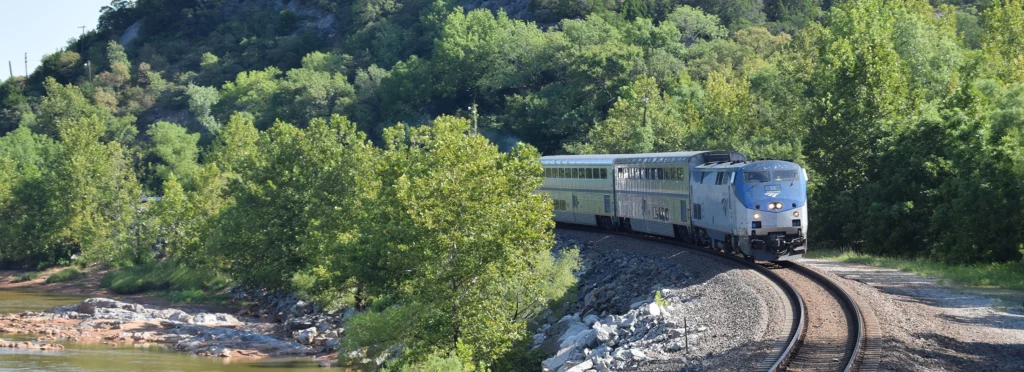
The future of one of America’s most important regional passenger rail services is under threat as Amtrak’s Heartland Flyer route between Oklahoma City and Fort Worth faces possible shutdown due to unresolved funding issues involving Texas and Oklahoma.
Transportation officials are now scrambling to secure emergency financial support after both states failed to finalize long-term funding commitments necessary to sustain operations beyond the current service period.
The potential closure of the Heartland Flyer is raising concerns across the US travel and transportation sectors, particularly as the route serves as a vital connection for commuters, tourists, students, and business travelers moving between Texas and Oklahoma.
The growing uncertainty also highlights wider challenges facing regional rail transportation in the United States as infrastructure costs rise and states debate future investment priorities for public transit systems.
Heartland Flyer Remains Critical Transportation Link
The Heartland Flyer operates daily between Oklahoma City and Fort Worth, offering one departure in each direction and completing the journey in approximately four hours.
The route plays a particularly important role in connecting passengers with broader rail networks linking major cities including Dallas, San Antonio, Chicago, and other destinations across the United States.
For many travelers, the service has become a reliable and affordable alternative to driving or flying, especially as fuel prices and airline costs continue fluctuating nationwide.
Coach-class tickets on the route can cost as little as $28, making the train one of the most budget-friendly transportation options in the region.
The route also supports tourism and regional mobility by connecting travelers to major attractions such as Fort Worth’s Cultural District and Oklahoma City’s Bricktown entertainment area.
Rail advocates say the Heartland Flyer serves not only as a transportation service but also as an important economic and tourism connector between two states with growing commercial and cultural ties.
Texas and Oklahoma Funding Disputes Threaten Operations
The route’s future became uncertain after Texas failed to secure its portion of operational funding within the 2025 state budget.
Historically, the Heartland Flyer has depended heavily on financial support from both Texas and Oklahoma to maintain service.
Without confirmed funding commitments, transportation agencies in the Dallas-Fort Worth region are now pursuing approximately $3.5 million in emergency funding aimed at keeping operations active into 2026.
However, uncertainty remains over whether long-term state-level support can be restored.
Oklahoma lawmakers have also expressed concerns about continuing to subsidize the service if Texas reduces or withdraws participation entirely.
The political disagreements are intensifying fears that the route may eventually become financially unsustainable without broader federal or regional intervention.
Industry observers say the situation reflects larger national debates over passenger rail investment and the role of states in supporting regional transportation infrastructure.
Potential Shutdown Could Disrupt Tourism and Regional Mobility
A shutdown of the Heartland Flyer would have immediate consequences for regional travel patterns throughout Texas and Oklahoma.
Passengers who currently rely on the train for affordable transportation would likely be forced to shift toward highway travel or more expensive airline options.
Transportation advocates warn that eliminating the route could place additional pressure on Interstate 35, one of the busiest transportation corridors in the region.
The increase in vehicle traffic could worsen congestion, increase fuel consumption, and create additional environmental strain at a time when many cities are attempting to encourage more sustainable transportation alternatives.
Rail supporters estimate that more than 80,000 annual passengers could be displaced if the service ends.
The loss would also impact tourism activity by reducing convenient access between major urban destinations and limiting travel flexibility for visitors exploring regional attractions.
Rising Fuel Costs Increase Importance of Affordable Rail Travel
The funding crisis surrounding the Heartland Flyer arrives at a time when transportation affordability has become an increasing concern for American travelers.
Gasoline prices have experienced notable volatility across several US states, encouraging more travelers to reconsider long-distance driving costs.
For many passengers, regional rail services such as the Heartland Flyer provide a practical middle ground between expensive air travel and lengthy road trips.
The train’s affordability, central city access, and reduced travel stress have helped maintain steady demand despite broader transportation challenges facing passenger rail in the United States.
Industry experts say regional rail routes are becoming increasingly valuable as travelers seek lower-cost and lower-emission transportation options for medium-distance journeys.
US Passenger Rail Faces Broader Infrastructure Questions
The uncertainty surrounding the Heartland Flyer also reflects broader infrastructure and funding challenges affecting US passenger rail systems.
While rail networks in Europe and parts of Asia continue expanding rapidly with heavy government investment, many regional US rail services remain heavily dependent on state funding agreements and political support.
Transportation planners argue that consistent investment in passenger rail can support tourism growth, reduce road congestion, strengthen regional economies, and improve long-term transportation sustainability.
However, maintaining smaller regional routes often becomes politically difficult when budget pressures increase.
The Heartland Flyer case is now emerging as a major example of the vulnerabilities facing regional rail services throughout the United States.
Emergency Funding Efforts Continue as Communities Push for Solutions
Local officials, transportation advocates, and community leaders continue urging both states to find a long-term solution capable of preserving the route.
The proposed emergency funding package may offer temporary relief, but transportation experts say sustainable long-term financing will be necessary to secure the service’s future.
Supporters are also calling for broader investments in rail infrastructure, passenger amenities, and operational improvements aimed at increasing ridership and strengthening regional demand.
For now, uncertainty continues surrounding one of the Midwest’s most important passenger rail connections.
If the Heartland Flyer is ultimately discontinued, the decision could reshape travel patterns throughout Texas and Oklahoma while reigniting national debate over the future of regional passenger rail in the United States.
For more travel news like this, keep reading Global Travel Wire