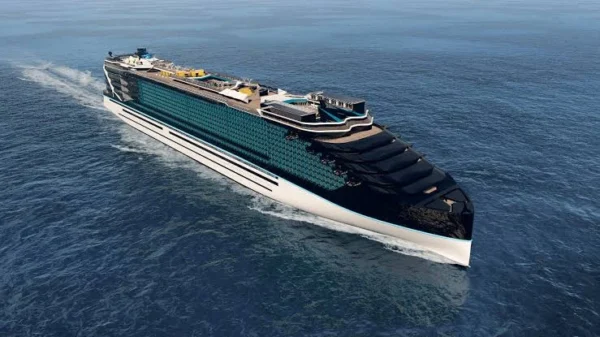
Alfred Maritime is advancing artificial intelligence-powered energy management for cruise ships, giving operators and crews access to real-time insights that can improve fuel efficiency, reduce emissions and strengthen vessel performance.
The maritime technology company’s flagship Meyer Energy Management System, known as MEMS, combines artificial intelligence, Industrial Internet of Things technology and specialist shipbuilding knowledge.
The platform collects information from multiple onboard systems before converting complex operational data into practical guidance for technical crews and shore-based teams.
Developed with the Meyer Energy Efficiency Team, MEMS is designed specifically for complex passenger vessels. It analyses both propulsion performance and the extensive hotel operations found aboard cruise ships and ferries.
These capabilities are becoming increasingly important as cruise companies invest in digital technology to control operating costs, meet environmental requirements and improve the sustainability of future voyages.
Although passengers do not directly interact with the platform, more efficient energy management can support cleaner and more reliable cruise operations.
Real-time data supports ship crews
Modern cruise ships operate like floating cities, with propulsion systems, air conditioning, lighting, water production, kitchens, entertainment facilities and thousands of hotel services consuming energy throughout each journey.
Every onboard system can generate large volumes of sensor and performance data. However, collecting that information alone does not automatically improve efficiency.
MEMS brings real-time data from different ship systems into one digital platform. Its dashboard helps crews understand how the vessel is performing without requiring extensive additional training.
The system can then provide actionable recommendations that guide operators towards greater operational efficiency.
By connecting onboard information with maritime expertise, the technology helps teams identify patterns that may affect fuel consumption, energy production and emissions.
It can also support faster decisions when operating conditions, itineraries or weather patterns change.
AI improves fuel and emissions management
Fuel remains one of the largest operating costs for cruise companies. It is also closely connected to the environmental footprint of maritime travel.
Even relatively small efficiency improvements across a large passenger ship can contribute to meaningful fuel and emissions reductions over time.
Alfred Maritime’s platform is designed to analyse vessel performance and generate forecasts using data from multiple onboard systems.
These forecasts can help crews understand how operational decisions may influence energy demand. They can also support adjustments before inefficiencies become more significant.
Artificial intelligence strengthens this process by analysing large datasets more quickly than traditional manual methods.
The technology acts as a decision-support system rather than replacing the vessel’s crew. Experienced maritime professionals remain responsible for reviewing information and making operational choices.
This combination of digital analysis and human expertise can help cruise operators manage complex ship systems more effectively.
Hotel operations remain a major focus
Cruise ship energy management extends far beyond the engines that move a vessel between destinations.
Passenger ships require substantial power for air conditioning, heating, lighting, elevators, water desalination, food preparation and entertainment.
These hotel loads can continue even when a vessel is docked or travelling at a slower speed.
MEMS has been designed to examine this wider operating environment. It can therefore help crews understand how technical and hotel systems interact across a voyage.
Improved visibility may allow operators to identify unnecessary consumption while maintaining passenger comfort, safety and service quality.
For cruise travellers, this means sustainability improvements can take place behind the scenes without removing the experiences and amenities expected aboard modern ships.
Technology supports environmental compliance
The cruise industry faces increasingly strict environmental and efficiency requirements.
One significant measure is the International Maritime Organization’s Carbon Intensity Indicator. It evaluates how efficiently a vessel transports passengers or cargo in relation to the carbon dioxide it produces.
Cruise ships face distinctive challenges under this system because they operate energy-intensive hotel services and spend considerable time in ports.
MEMS can support compliance by tracking vessel performance and providing greater visibility over carbon intensity.
Predictive analysis can also help operators estimate future performance based on current operations, planned itineraries and other available information.
This allows ship teams to recognise potential efficiency problems earlier and consider corrective measures.
Digital reporting and analytics may further help cruise companies document operational performance across individual vessels or entire fleets.
Predictive maintenance could strengthen reliability
Alfred Maritime’s wider digital platform also focuses on predictive maintenance.
Ship systems normally require regular inspections and servicing to maintain safety and operational reliability. However, real-time monitoring can give crews additional information about how equipment behaves under actual conditions.
Artificial intelligence can identify unusual performance patterns that may indicate developing inefficiencies or maintenance needs.
Earlier detection could help operators plan maintenance more effectively and reduce the risk of unexpected technical interruptions.
For passengers, reliable ship systems are essential to comfortable cabins, functioning public spaces and smooth itineraries.
Therefore, digital energy management can support both sustainability and the overall quality of the cruise experience.
Smart ships shape cruise tourism’s future
Alfred Maritime was established as a digital spin-off of the Meyer shipbuilding group, combining maritime engineering knowledge with artificial intelligence and connected sensor technology.
Its work reflects a broader transformation across cruise tourism as operators introduce smarter ships, automated reporting, digital twins and data-led performance management.
Cruise companies are also investing in alternative fuels, shore power, advanced hull designs and more efficient onboard equipment.
Artificial intelligence adds another layer by helping vessels use their existing systems more effectively.
As travellers pay closer attention to the environmental practices of cruise operators, transparent investment in efficiency may increasingly influence booking decisions.
Alfred Maritime’s energy platform demonstrates that sustainable cruising depends not only on new fuels and vessels. It also requires better data, informed crews and continuous optimisation throughout every voyage.
For more travel news like this, keep reading Global Travel Wire