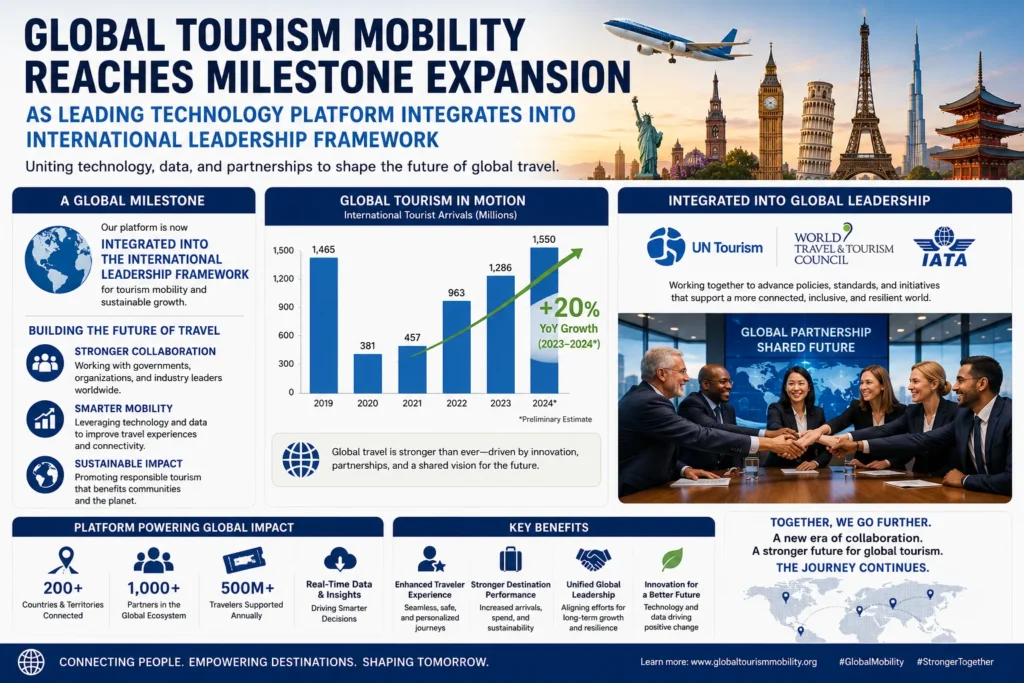
The integration of advanced technology into the international holiday transit landscape has advanced significantly with the confirmation that digital mobility provider Uber has officially joined the Executive Committee of the World Travel & Tourism Council. This strategic development marks the tech platform’s structural return to the prominent private sector forum, having previously served as an active global member. The move signals a major effort to harmonize digital ride-hailing networks with traditional hospitality and airline corridors, ensuring that international vacationers enjoy seamless connections from terminal arrival gates to localized cultural sites.
Established as a private-sector authority, the World Travel & Tourism Council represents the global interests of the tourism and leisure industry. Its vast membership network encompasses chairpersons and chief executives from prominent international hotel brands, cruise operators, commercial airlines, and major metropolitan destination boards. By adding a major digital transportation network to its core executive decision-making body, the council aims to drive global policy discussions focused on accelerating sustainable city transport, improving cross-border traveler safety, and deploying unified digital booking tools to simplify independent vacation itineraries.
Statistical updates released by tourism research bodies show that local transit availability represents a primary factor in overall traveler satisfaction scores. In modern consumer behavior matrices, the availability of verified, app-based ride-hailing services has become a fundamental expectation for inbound leisure visitors navigating foreign cities. According to data provided by the technology platform, its networks currently provide active mobility solutions across more than 15,000 municipalities spanning 70 countries and six continents, handling billions of individual trips. For international tourists, this widespread availability bridges the complex logistical gap between traditional airport arrival concourses and final destination resorts.
The transition toward fully integrated travel booking architectures has gained significant momentum through collaborative industry partnerships. Earlier operational expansions highlighted a strategic alignment between major digital distribution networks and mobility providers, granting app users direct booking capabilities for over 700,000 certified hotels worldwide. These comprehensive technological frameworks enable international holidaymakers to plan and coordinate multi-city itineraries, select vehicle options, and secure lodging through a single interface. The consolidation of these independent transit components lowers the barrier to entry for long-haul leisure travel, supporting the long-term growth of regional visitor economies.
Sustainable tourism expansion remains a core priority within the council’s updated global agenda, with a strong focus on minimizing the environmental footprint of municipal holiday transit. Industry tracking data emphasizes that modern eco-conscious travelers actively seek out low-emission transport options when exploring historic urban spaces and sensitive ecological zones. In response to these changing passenger preferences, executive initiatives are prioritizing infrastructure electrification and multi-modal transit networks. The deployment of a massive, globally accessible electric vehicle fleet allows international visitors to systematically reduce their carbon output while navigating dense metropolitan tourism corridors.
Official statements from international tourism delegates highlight that the convergence of tech platforms and hospitality management provides the industry with powerful insights into changing passenger behaviors. Analyzing anonymized, high-level transit data enables urban destination planners to identify emerging visitor hot spots, manage high-density crowd flows during major cultural events, and allocate local transport resources more effectively during peak vacation windows. This data-driven approach directly supports municipal effort to build resilient tourist environments capable of handling high arrival volumes without placing undue stress on local civil infrastructure.
Furthermore, national ministries of tourism are monitoring how corporate governance shifts within private-sector bodies influence public-policy collaborations. By engaging directly with government transport ministries, the council works to modernize regulatory frameworks governing regional airport transfers and cross-border tourist transport. Creating clear, standardized operational environments across global gateways reduces friction for incoming passengers, laying the groundwork for predictable, high-value travel experiences that encourage repeat visits.
As international aviation routes recover and global visitor traffic hits record numbers across major hubs, the emphasis on seamless destination connectivity will be critical to sustaining this upward growth trajectory. The formal integration of smart-mobility leadership into the world’s premier tourism forum provides a clear blueprint for the future of international travel management. By aligning the operational goals of global tech platforms with traditional hospitality frameworks, the international visitor economy is well-positioned to meet the demands of modern travelers, providing efficient, sustainable, and highly accessible paths to global destinations.
For more travel news like this, keep reading Global Travel Wire