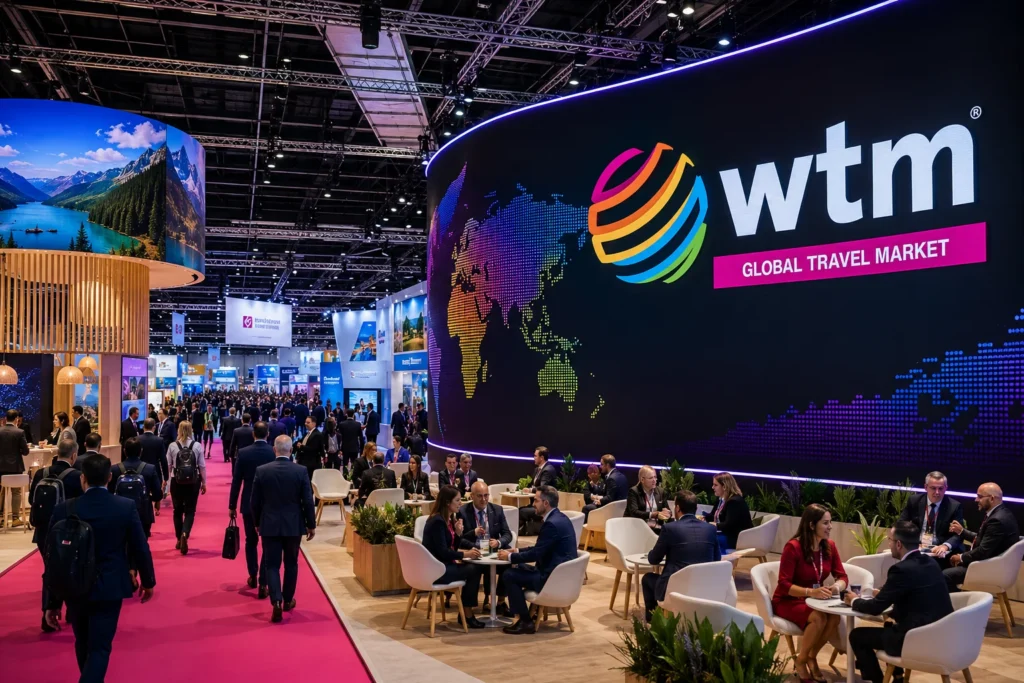
A comprehensive study on international tourism infrastructure reveals a major upward shift in cross-border and regional mobility. The global travel market size reached an estimated value of USD 1,683.16 billion in 2025 and is projected to climb to USD 1,816.23 billion. Long-term forecasting models show this momentum continuing over the next decade, with the total market valuation expected to reach USD 3,338.41 billion by 2034. This steady expansion represents a compound annual growth rate of 7.91%, driven by rising household incomes, expanding air connectivity, and a structural shift toward tailored, high-end travel experiences.
Core Catalysts Transforming Sector Demographics
The ongoing expansion relies heavily on evolving consumer choices and technical integration. International tourist arrivals have returned to long-term baseline trends, supported by simplified visa policies and a substantial increase in long-haul flight routes. Rather than choosing standard, pre-packaged vacation schedules, modern travelers are shifting toward customized holidays, nature-based eco-tourism, and health-focused wellness retreats.
Digital platforms are playing an important role in modifying the consumer landscape. The widespread deployment of artificial intelligence planning software, mobile booking tools, and automated contact-free terminal services has streamlined how journeys are organized. These systems make booking more accessible and help travelers manage complex schedules independently.
Concurrently, social media platforms function as prominent destination marketing channels, heavily affecting destination popularity and shaping the preferences of younger travel cohorts.
The Dual Rise of Leisure Mobility and Corporate Travel
Market analysis shows that leisure travel remains the dominant sector component, holding roughly 68% of the total market share. This high percentage is maintained by a growing demand for experiential vacations, multi-generational family travel, and luxury cultural immersion.
Within this sector, the 21-to-30 age demographic represents a highly active segment, accounting for approximately 44% of leisure traffic. This group routinely prioritizes solo adventure itineraries, budget-friendly experiential options, and community-based ecotourism.
Meanwhile, the business travel sector comprises approximately 32% of global activity, supported by expanding corporate mobility solutions and multinational operations. The widespread adoption of hybrid and remote working models has popularized the “bleisure” travel trend, where workers combine mandatory business trips with personal leisure days. This integration has extended the average length of stay at international properties, fundamentally shifting typical midweek occupancy patterns in major commercial capitals.
Regional Variations in Market Share and Development
North America continues to hold a leading position in global travel activity, commanding approximately 30% of the worldwide market. This steady performance is driven by consistent domestic traveler volume, a steady influx of international visitors, and highly developed transport infrastructure. Consumers in this territory lean heavily toward high-end curated getaways and premium, low-impact outdoor adventures.
The Asia-Pacific region follows closely, controlling a 27% share of global activity. Economic development across developing Asian economies has substantially raised discretionary spending power. Within the region, mainland China accounts for 32% of total tourism spending, followed by Japan at 18%. To accommodate this expanding demand, local governments are investing heavily in large-scale infrastructure upgrades, including airport expansions and high-speed rail lines.
Europe accounts for approximately one-fifth of the global travel market share, supported by historically strong intra-continental holiday movements. Germany leads the regional share at 22%, followed closely by the United Kingdom at 19%. The continent shows a strong, growing focus on historical heritage preservation and low-emission transport options, matching the region’s strict environmental policy frameworks.
Navigating Structural Obstacles and Future Opportunities
Despite the positive long-term growth outlook, international tourism providers must navigate distinct operational hurdles. Rising fuel costs, increasing maritime and aviation labor wages, and elevated property maintenance expenses place upward pressure on retail ticket prices. Furthermore, localized economic variations, inflation in general services, and geopolitical uncertainties can quickly influence seasonal discretionary consumer spending choices.
Conversely, these challenges are driving notable innovations in alternative and less-explored travel destinations. Investment capital is shifting toward smart management systems that optimize terminal traffic flows and reduce fuel burn during flights.
Environmental sustainability has grown from a niche consumer preference into a key factor guiding new hotel construction and transportation projects. As government policies increasingly mandate lower emission levels, the travel sector is turning toward green construction standards and community-supported tourism models, balancing long-term economic growth with necessary environmental care.
For more travel news like this, keep reading Global Travel Wire